top of page
Home
Pain Pal
Pathways
Pain Tracker
Providers
About
More
Use tab to navigate through the menu items.
Log In
Coach Resource Centre
Making Sense of Pain
Making Sense of Pain
Living Better with Pain
Finding the Right Support
Your Healthcare Journey
Getting Back to Life
Presenting Issues
Tai Chi: Building Strength, Balance and Confidence
Read More
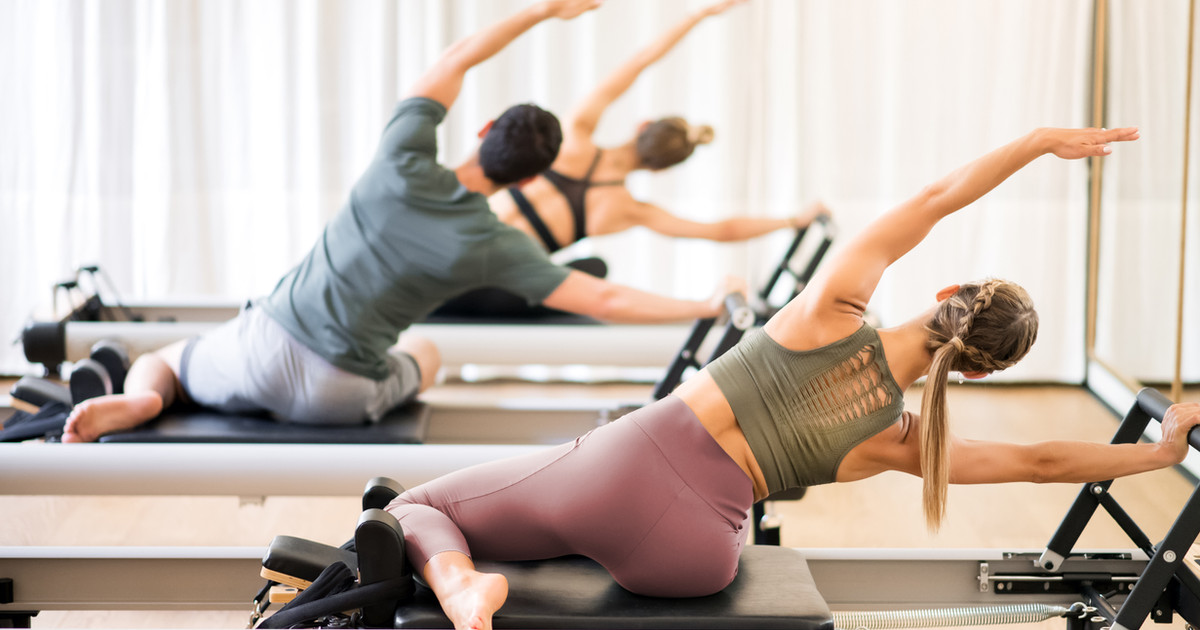
Pilates: Building Control, Strength and Confidence
Read More
Why Exercise Is One of the Best Pain Medicines
Read More
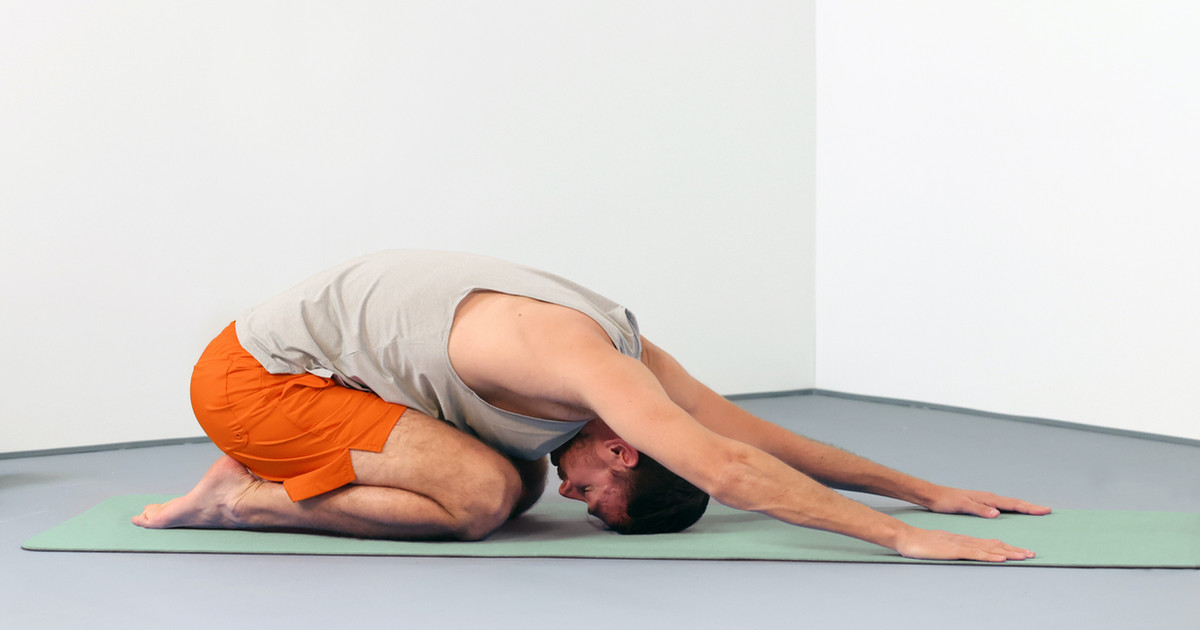
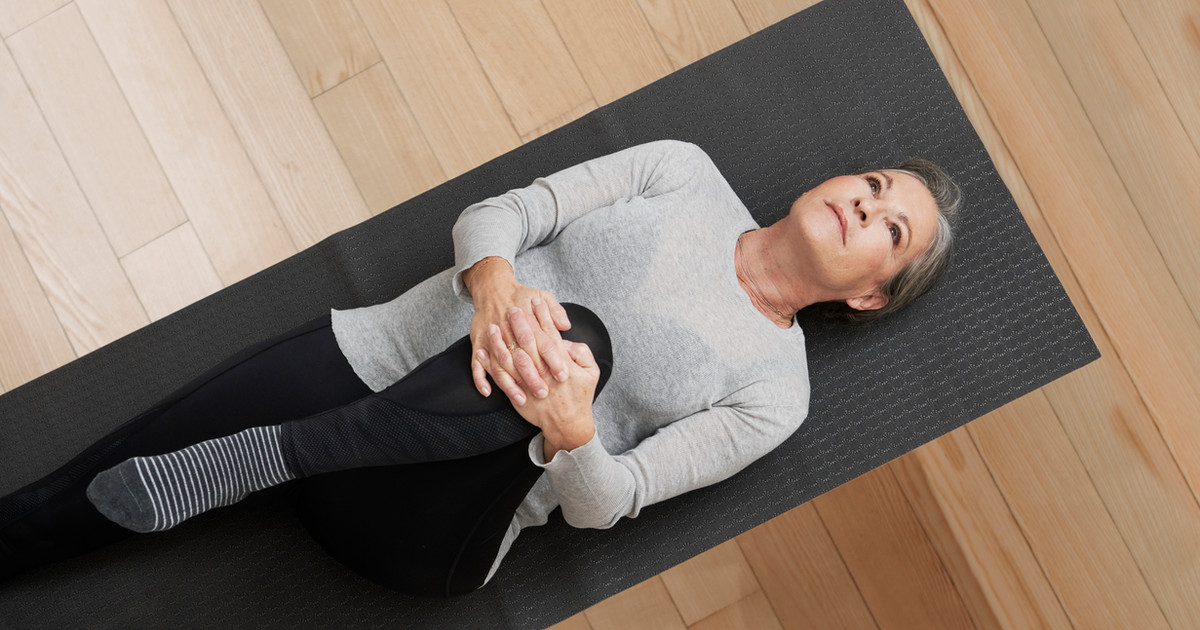
Stretching for Comfort and Confidence
Read More
Creating an Exercise Plan That Lasts
Read More
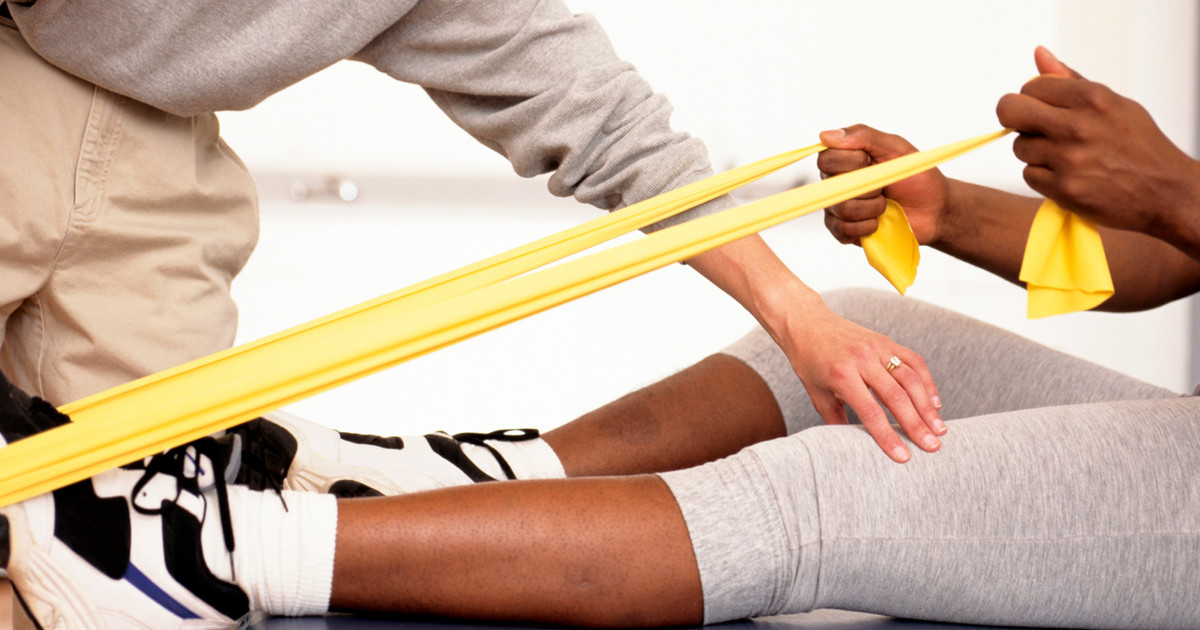
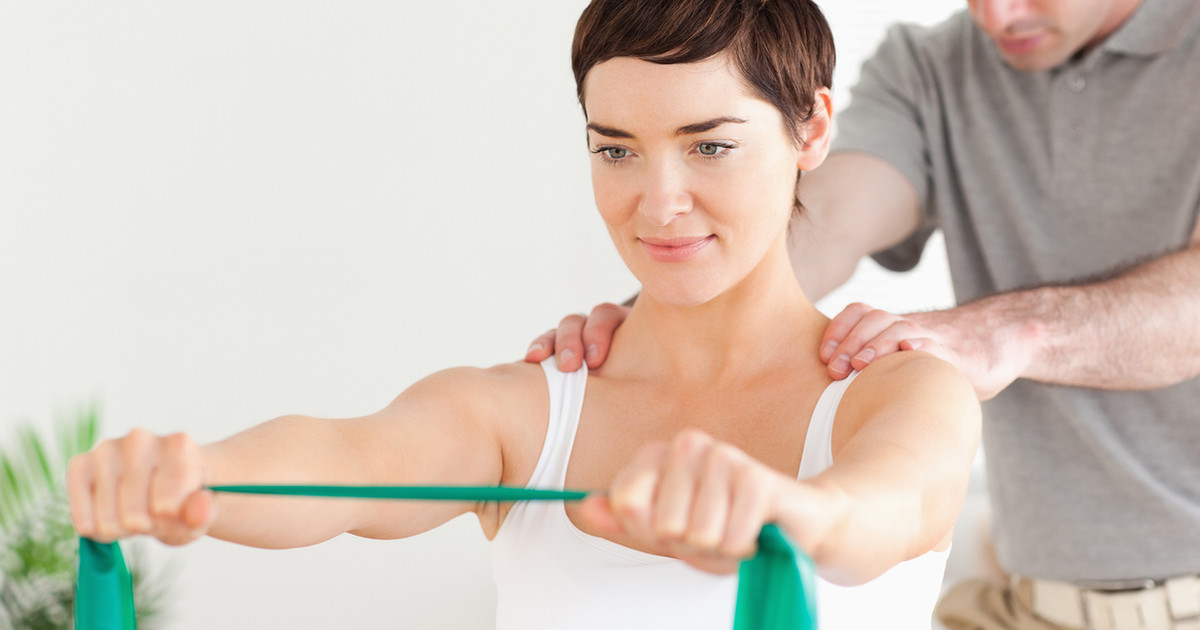
Resistance Bands and Home Exercise Programs
Read More
Building a Meaningful Life with Persistent Pain
Read More
Rebuilding a Meaningful Life After Persistent Pain
Read More
Your Rights and Supports in Australia
Read More
Why Your Body Feels Different Now
Read More
Moving Through Everyday Life
Read More
Understanding Central Sensitisation
Read More
Acute Pain, Persistent Pain and Flare-ups – What is the Difference?
Read More
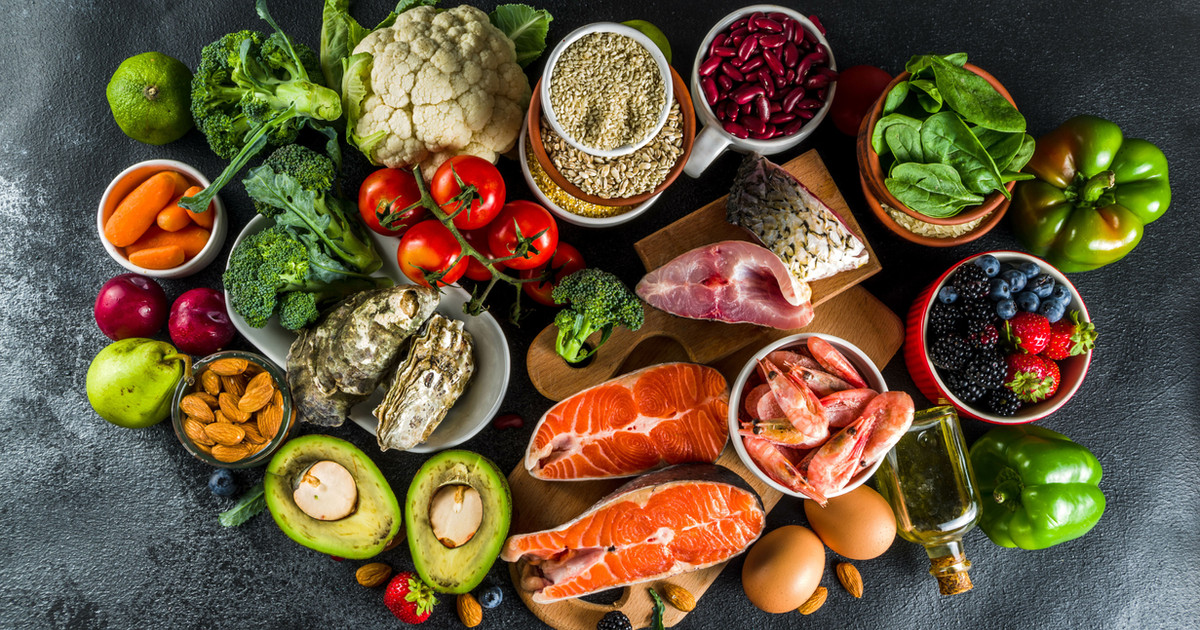
Why Nutrition Matters in Persistent Pain
Read More
Healthy Weight, Energy and Hydration
Read More
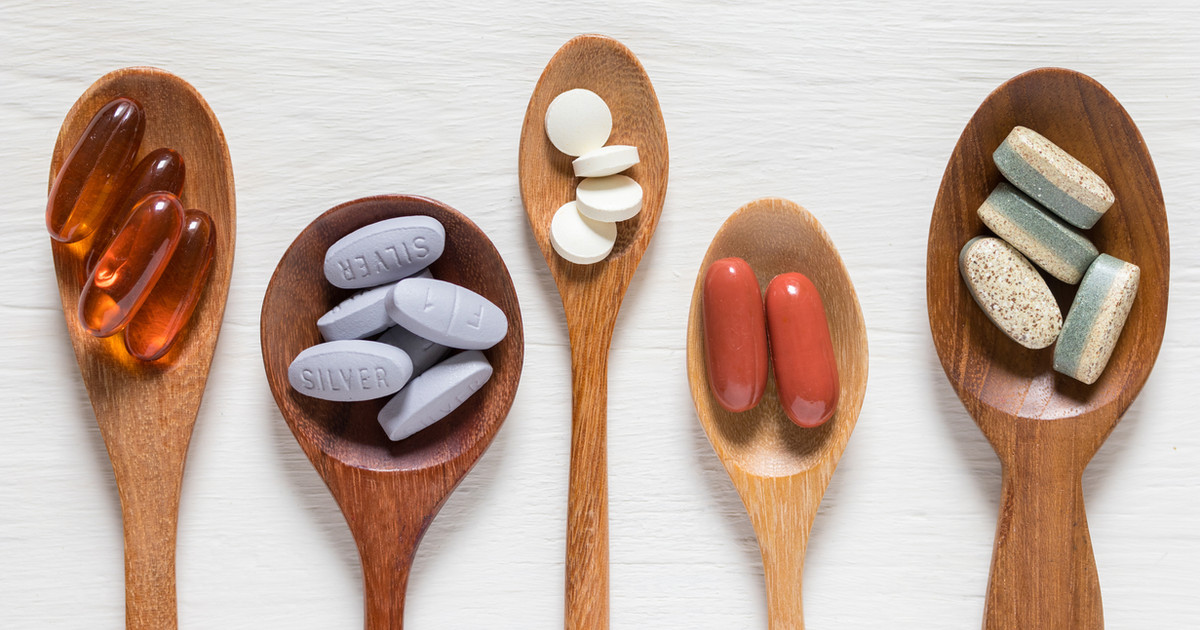
Understanding Dietary Supplements
Read More
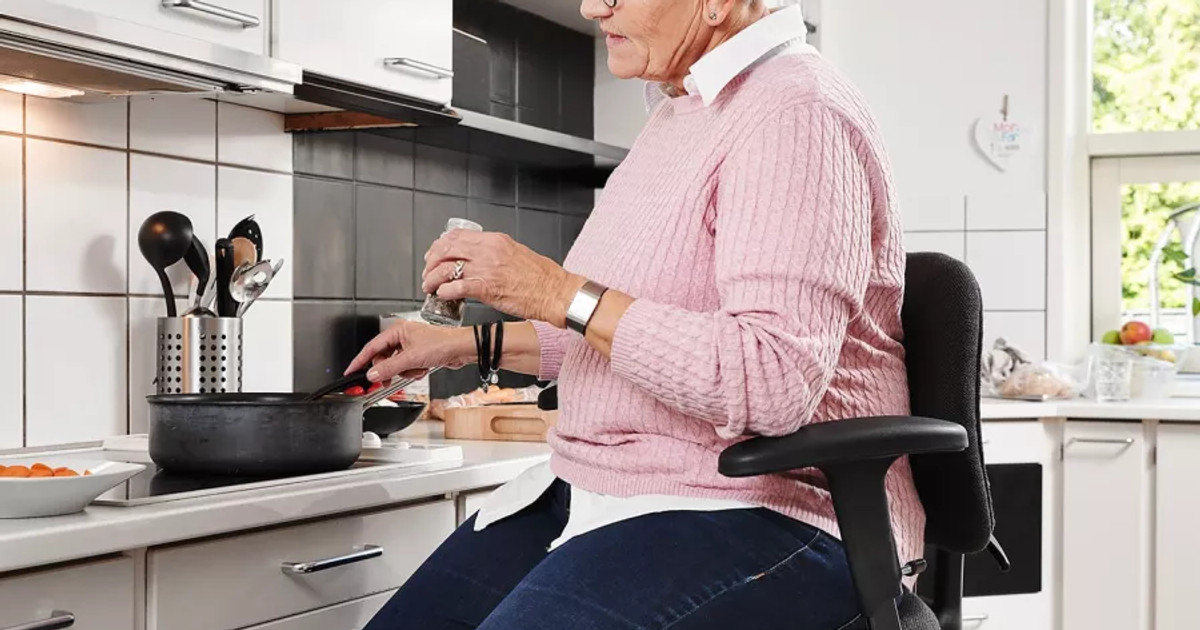
Making Everyday Activities Easier
Read More
Planning Your Day for Success
Read More
Getting the Most From a Pain Procedure
Read More
Grief, Loss and Emotional Adjustment
Read More
Choosing Active Self-Management
Read More
Understanding Cognitive Behavioural Therapy (CBT)
Read More
Building Better Sleep Habits
Read More
Rediscovering Enjoyable Activities
Read More
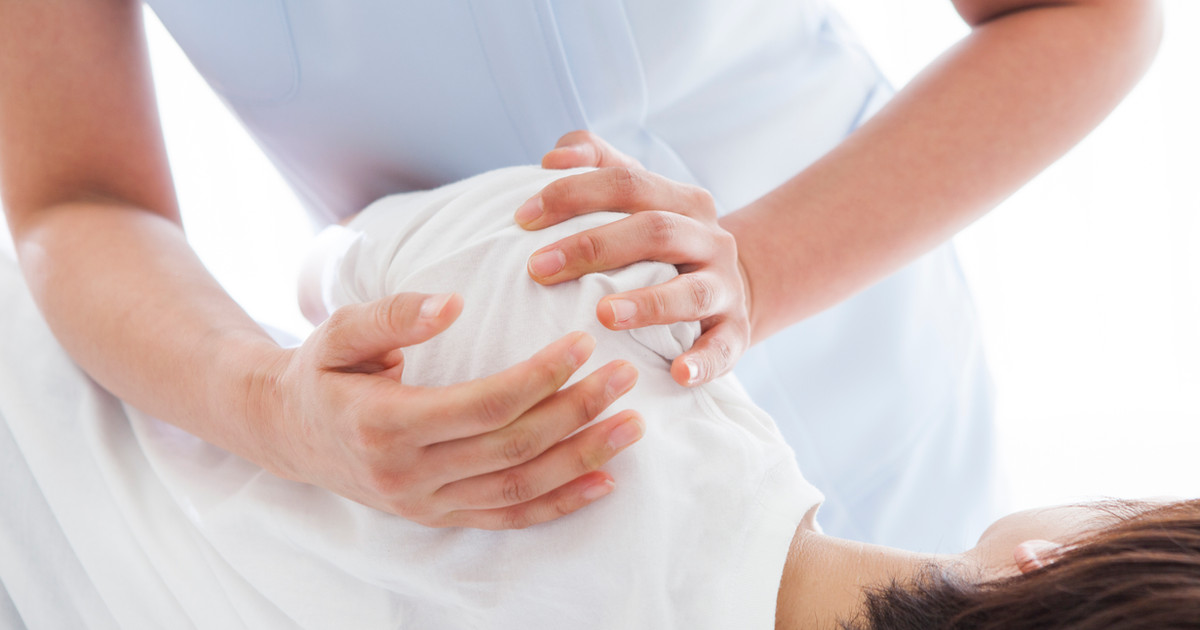
Understanding Osteopathy
Read More
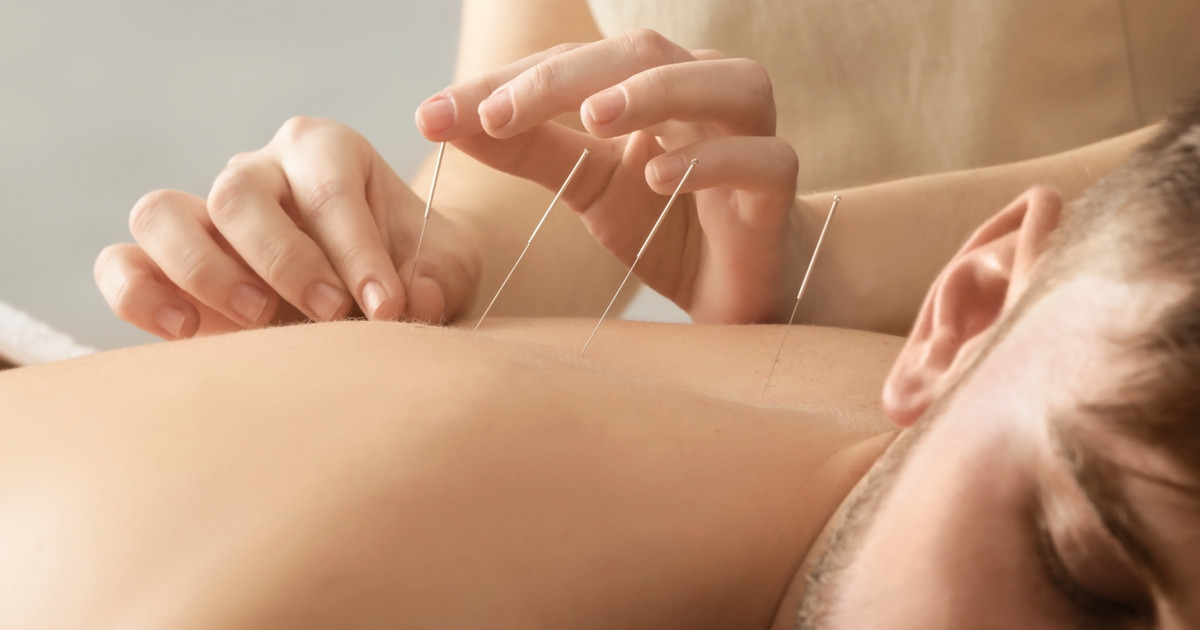
Understanding Acupuncture
Read More
Finding the Right Exercise for You
Read More
Building Strength That Supports Everyday Life
Read More
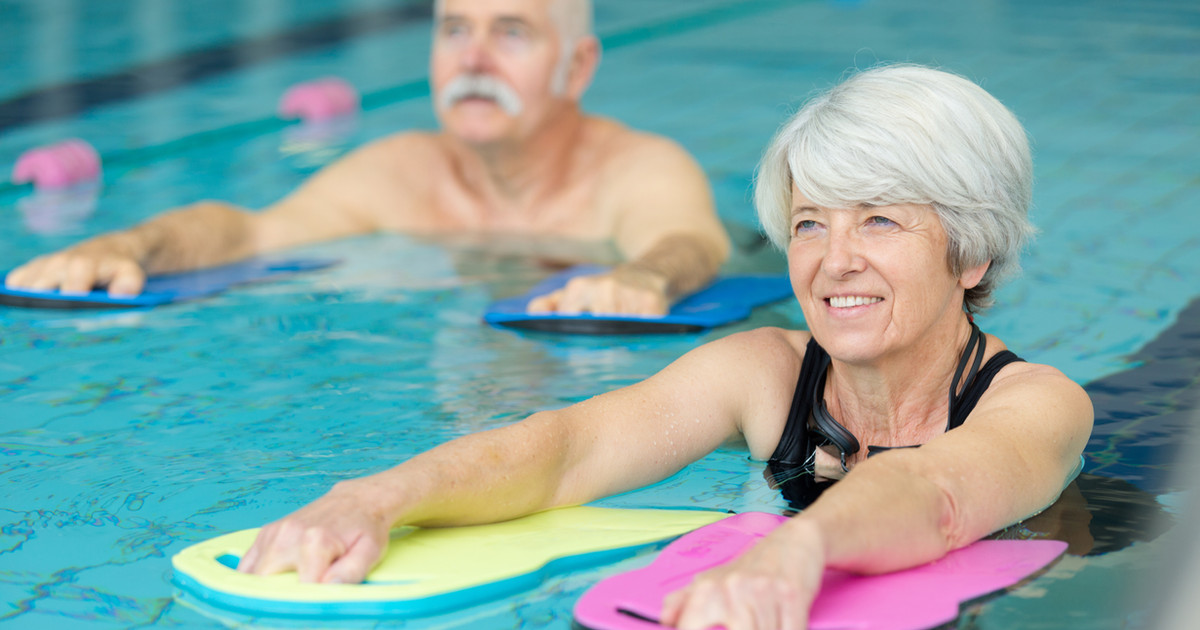
Hydrotherapy: Moving More Comfortably in Water
Read More
Active, Passive and Self-Management Approaches to Pain
Read More
Working with Your Healthcare Team
Read More
Finding Meaning Through Recreation and Connection
Read More
Preparing for Conversations with Your Employer
Read More
Why Movement Is the Answer
Read More
Building a Strong Foundation
Read More
Understanding Manual Therapy
Read More
Why Pain Can Continue After Healing
Read More
Eating to Support Recovery and Reduce Inflammation
Read More
Making Healthy Eating Work in Everyday Life
Read More
Understanding Anti-Inflammatory Eating Patterns
Read More
Rebuilding Confidence Through Graded Exposure
Read More
Living the Life That Matters
Read More
Understanding the Mind-Body Connection
Read More
Building Healthy Thoughts and Behaviours
Read More
Building Psychological Resilience and Self-Efficacy
Read More
Understanding Operant Behavioural Therapy (OBT)
Read More
Creating the Right Sleep Environment
Read More
The Power of Connection and Creativity
Read More
Massage Therapy: More Than Relaxation
Read More
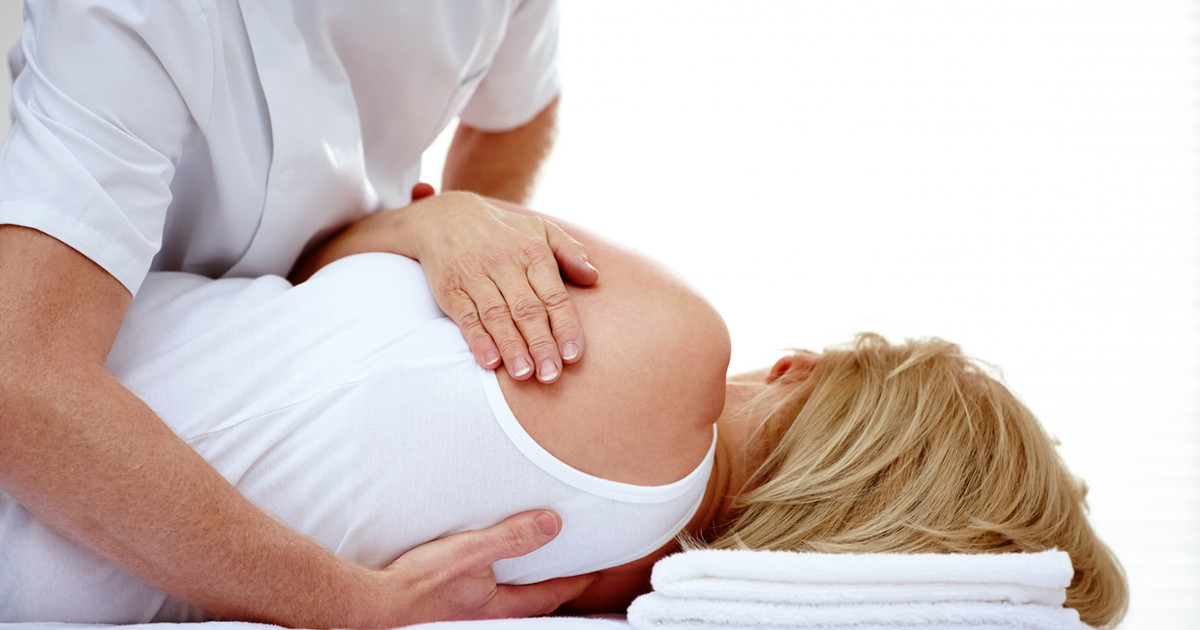
Understanding Chiropractic Care
Read More
Getting Started Safely
Read More
Building Capacity Through Graded Progression
Read More
Exercising During a Pain Flare-Up
Read More
Functional Restoration — Focusing on What You Can Do
Read More
Taking Back Control Through Self-Management
Read More
When It's Time to Rethink Your Career
Read More
Creating Your Personal Life Rebuild Plan
Read More
Walking Well Again
Read More
How Your Body Works as a Whole
Read More
Why Pain is More Than Physical – The Biopsychosocial Model Explained
Read More
Understanding Different Types of Pain
Read More
Building a Balanced Eating Pattern
Read More
Creating Your Personal Nutrition Plan
Read More
Working Smarter: Body Mechanics and Ergonomics
Read More
Managing Your Energy Through Pacing
Read More
Workplace Ergonomics and Workstation Setup
Read More
Stress, the Nervous System and Pain
Read More
Biofeedback and Nervous System Regulation
Read More
Understanding Gate Control Theory
Read More
Understanding Acceptance and Commitment Therapy (ACT)
Read More
Relaxation Techniques for Sleep and Pain Management
Read More
Creating Your Personal Sleep and Wellbeing Plan
Read More
bottom of page