
Read Time (minutes)
6

Active, Passive and Self-Management Approaches to Pain
Not all pain treatments work the same way. Some are things done to you, some need your active participation, and some you can do on your own. This article explains the difference between passive, active and self-management approaches, and why active participation tends to matter most for lasting progress.
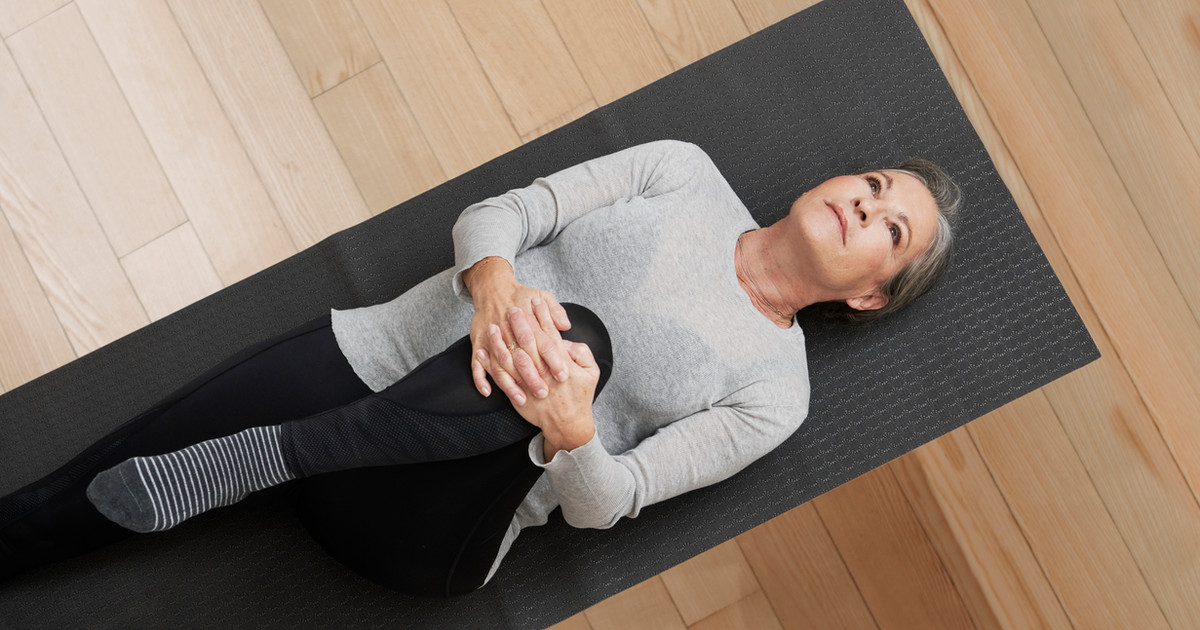
When people think about treating pain, they often picture things done to them: medication, injections, surgery. These are real and sometimes necessary. But they are only one part of a much bigger picture.
Pain approaches fall into three broad groups: passive, active, and self-directed. Understanding the difference helps you build a balanced plan rather than leaning on just one kind.
Passive: things done for you
Passive treatments are ones where you are present but someone else does the work.
● massage and manual therapy
● acupuncture
● heat or cold therapy
● some medications
● injections
● surgery
These can be genuinely useful, especially for short-term relief during a flare or when pain is severe enough that you need some comfort before you can do anything else. Their limitation is that the benefit is often short-lived. They can ease pain in the moment, but on their own they rarely build the strength, confidence or skills that bring lasting improvement. That is why current guidelines treat passive care as a support to a broader plan, not the main strategy.
Active: things you do, with support
Active approaches need your participation. They take effort and often involve a therapist, instructor or program, but the work is yours.
● exercise and movement programs
● physiotherapy-guided rehabilitation
● yoga, Tai Chi or Pilates
● graded return to activity
● pain education programs
● psychological strategies such as relaxation training or cognitive behavioural approaches
Active approaches are consistently linked to better long-term outcomes, because they do more than ease symptoms. They rebuild strength, movement confidence, and the belief that your body can be trusted again.
It is completely normal to feel hesitant about moving again if pain has limited you for a long time. But the evidence is clear: a gradual, structured return to activity, rather than waiting until pain fully resolves, is usually the most effective path.
Self-management: things you do on your own
Self-management is what you can do independently, without a professional present. It builds on what you learn through active care and turns it into everyday habits.
● pacing activities across the day
● using relaxation or mindfulness techniques
● setting and tracking personal goals
● keeping a pain diary
● maintaining sleep and activity routines
● problem-solving day-to-day challenges
Self-management does not replace medical or allied health care; it works alongside it. The aim is to help you feel less like a passive recipient and more like an active participant in your own recovery.
Why active approaches matter most
It is tempting to look for the treatment that simply takes the pain away. But for persistent pain, the research points elsewhere: the most lasting gains in function, confidence and quality of life come from active participation, not from passive treatment alone.
This does not make passive care worthless. A massage might help you feel comfortable enough to attend physiotherapy. A short course of medication might open a window to start moving again. Passive care can support active care; it just should not replace it.
Bringing it together
A well-rounded approach usually blends all three: passive support used selectively, such as during a flare; active strategies that build strength and confidence over time; and self-management skills that carry it into daily life.
If your current plan leans heavily on passive treatments, things done to you, it may be worth asking your healthcare team about active and self-management options to add alongside them. Active approaches tend to deliver better long-term results, and often at a lower ongoing cost.
REFLECTION
Looking at your own care right now, roughly how much is passive versus active? Is there one small active step you could add this week?
KEY TAKEAWAY
Passive treatments help in the short term but are limited alone; active approaches and self-management build the strength, confidence and skills behind lasting progress. The strongest plan combines all three, with active participation at the centre.
Where to next
Book a Free Navigation Call
Explore Coaching
Clinician Consultation


Authour
Pain Education and Management (PEM)
Last Evidence Review
29 June 2026
Pain Pal provides educational support only and does not replace medical advice, diagnosis or treatment. Always consult your healthcare professional regarding your individual circumstances. In an emergency, call 000.