
Manage Pain Knowledge Base
Explore topics that interest you

What is Pain?
Pain is one of the most personal experiences you can have. It is real, it is complex, and it is shaped by far more than injury alone. This article explains what pain actually is, why it varies so much from person to person, and why understanding it is often the first step toward managing it well.

Why Pain Can Continue After Healing
One of the most confusing things about persistent pain is that it can continue long after an injury has healed. Scans look normal, tests come back clear, yet the pain remains. This article explains why that happens, what it means for your nervous system, and why ongoing pain does not always mean ongoing damage.

Taking Back Control Through Self-Management
Taking back control of persistent pain does not mean managing everything alone or finding one perfect fix. This article explains what self-management really involves, from self-care and coping skills to goal setting, pacing and tracking progress, and why these everyday practices make a genuine difference over time.

Medication Reviews and Your Healthcare Team
Your medication needs may change over time. Regular medication reviews help ensure your medicines keep providing benefit, keep side effects to a minimum, and support your goals. Working with your GP, pharmacist and others keeps your treatment safe, effective and focused on your quality of life.

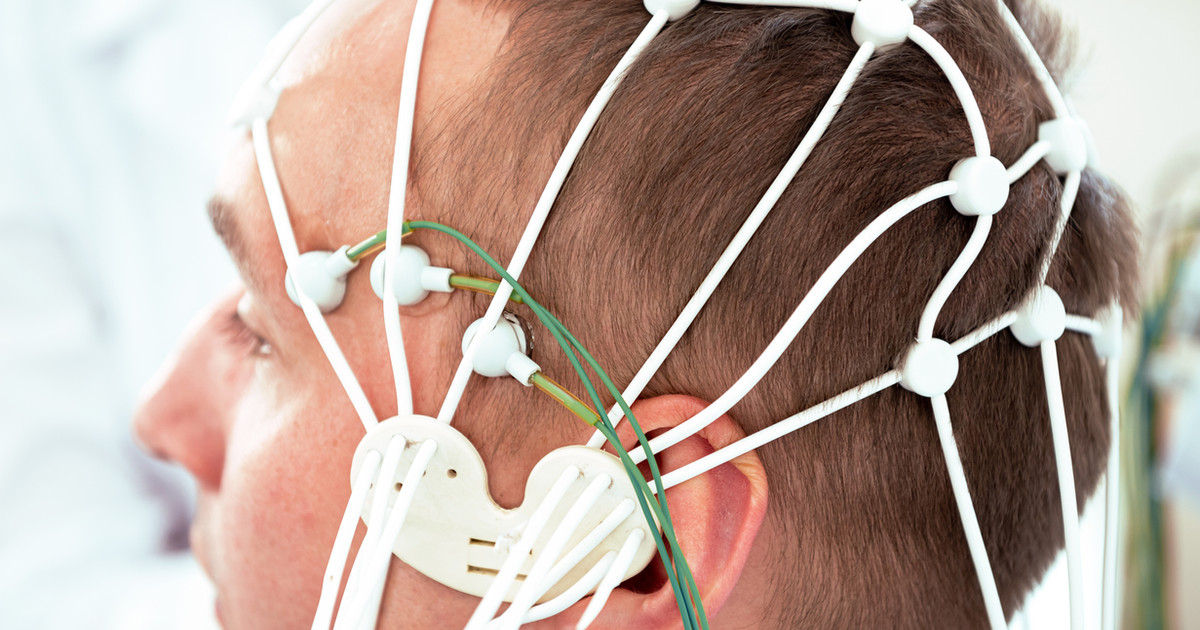
Biofeedback and Nervous System Regulation
Biofeedback is a technique that helps you become more aware of how your body responds to stress and pain. By learning to recognise and regulate these responses, you can develop practical skills that reduce muscle tension, calm the nervous system and support long-term pain management.

Why Your Body Feels Different Now
Persistent pain can change how your body feels and moves. This article explains the changes many people notice, including a more sensitive nervous system, ongoing stress responses, reduced fitness and altered movement patterns. It also explains why a gradual, well-paced return to movement can help rebuild strength, confidence and everyday function.

How Your Body Works as a Whole
Your body is designed to move as one connected system. Muscles, joints, bones and the nervous system all work together to produce efficient movement. Persistent pain can disrupt these connections, but rehabilitation helps restore the way your body works together, making movement feel easier, more confident and more efficient.
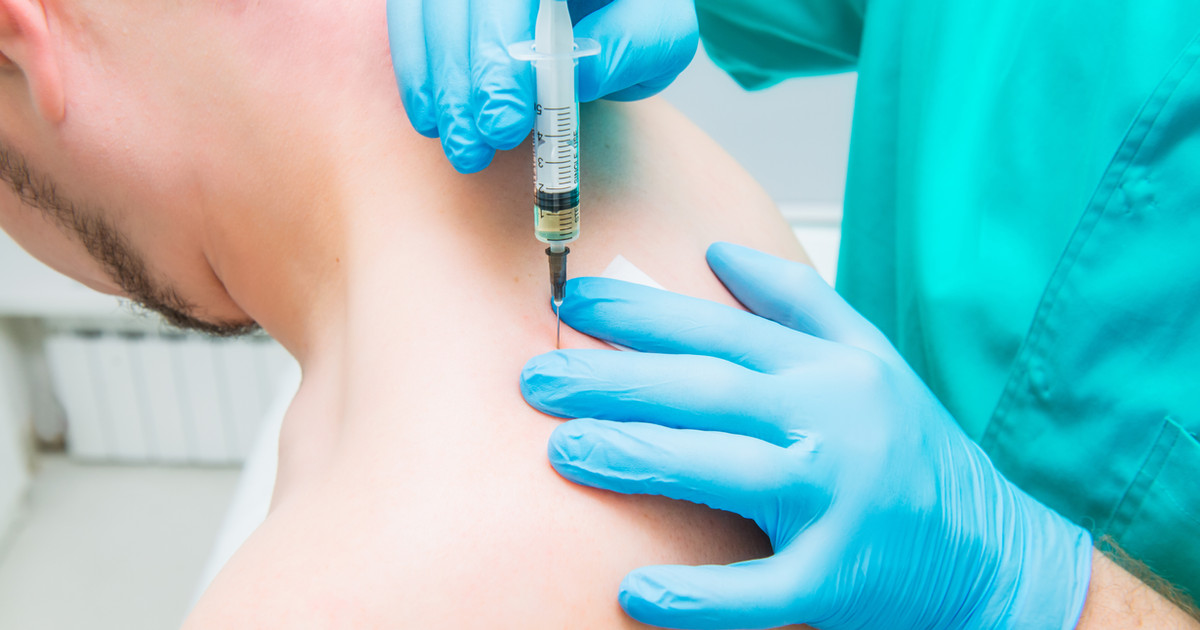
Trigger Point Injections and Other Targeted Procedures
Not all pain procedures involve the spine or major joints. Some treatments are designed to target specific muscles, tendons or soft tissues that contribute to pain and reduced movement. While these procedures may provide temporary relief for carefully selected people, they are most effective when used to support active rehabilitation rather than as standalone treatments.

Why Pain is More Than Physical – The Biopsychosocial Model Explained
Pain is not just about what is happening in your body. Biological, psychological and social factors all play a role in shaping how pain is experienced. This article explains the biopsychosocial model of pain in plain language and explores why understanding this approach can open up new and effective ways to manage persistent pain.

Understanding Different Types of Pain
Not all pain works the same way. Some comes from tissue injury, some from nerve irritation, and some from changes in how the nervous system processes signals. This article explains the main types of pain in plain language and why knowing which type you have can guide a more effective approach.

Building a Meaningful Life with Persistent Pain
Living well with persistent pain is not about waiting for pain to disappear before life can resume. This article brings together the key ideas from other similar articles, including understanding pain, active approaches, coordinated care and self-management, and explores what it actually means to build a meaningful life while pain is still part of the picture.

Understanding Medical Cannabis for Persistent Pain
Medical cannabis has drawn significant attention as a possible treatment for persistent pain. Some people may benefit, but the evidence continues to evolve and it is not suitable for everyone. Understanding what it is, what current research shows, and where it may fit can help you make informed decisions with your healthcare team.
Pain is a whole-person experience
Recognising the role of thoughts and emotions in pain does not mean it is "all in your head". This article explains how emotions, stress, sleep and relationships can shape a pain-experience, and why a whole-person approach opens up more ways to reduce pain's impact on daily life.

Why Nutrition Matters in Persistent Pain
Good nutrition supports overall health, recovery and wellbeing. Food is not a cure for persistent pain, but healthy eating can reduce its impact by supporting your body's normal functions, maintaining energy, improving general health, and helping you take part more fully in everyday life.

Why Movement Is the Answer
Worry about moving is common when pain persists. This article explains why gradual, well-planned movement is one of the most effective treatments for persistent pain, how it can rebuild strength and confidence, and how to find a pace that avoids both flare-ups and further deconditioning.
Understanding Central Sensitisation
Pain can continue after an injury has healed, even when scans look normal. This article explains central sensitisation of nociception in plain language, why it does not mean pain is imagined, and how education, movement, sleep and stress management can help the nervous system become less sensitive over time.

Acute Pain, Persistent Pain and Flare-ups – What is the Difference?
Not all pain is the same. Acute pain, persistent pain and flare-ups each behave differently and mean different things. This article explains the differences in plain language, why pain changes over time, and what those changes might mean for you.
Active, Passive and Self-Management Approaches to Pain
Not all pain treatments work the same way. Some are things done to you, some need your active participation, and some you can do on your own. This article explains the difference between passive, active and self-management approaches, and why active participation tends to matter most for lasting progress.

Understanding the Role of Medicines in Persistent Pain
Medicines can play an important role in managing persistent pain, but they are only one part of effective treatment. Understanding what medicines can—and cannot—do helps you make informed decisions and use them as part of a broader plan to improve function, participation and quality of life.

Stress, the Nervous System and Pain
Stress and persistent pain can feed into each other through the nervous system. This article explains the stress response, how a prolonged stress response can be accompanied by more intense pain, and practical strategies such as slow breathing, relaxation and movement that can help settle it.

Eating to Support Recovery and Reduce Inflammation
The foods we eat influence many processes in the body, including inflammation, immune function and overall health. Rather than focusing on individual "superfoods" or restrictive diets, research shows that a balanced, whole-food eating pattern is the most effective way to support recovery and long-term wellbeing.

Moving Through Everyday Life
Persistent pain affects much more than exercise. It changes how we move through everyday life — getting out of a chair, climbing stairs, carrying shopping or reaching into a cupboard. Reconditioning these everyday movements is one of the most effective ways to regain independence, confidence and quality of life.

Understanding Procedure-Based Interventions
Most people living with persistent pain improve through a combination of education, movement, medication, psychological strategies and active rehabilitation. For some, however, these approaches do not provide enough relief on their own. Procedure-based interventions can sometimes reduce pain, improve function or clarify a diagnosis, creating new opportunities to continue rehabilitation. Understanding where these procedures fit, and where they don't, can help you make informed decisions if they are ever recommended.