
Read Time (minutes)
5

Assistive Equipment and Home Modifications
Many people hesitate when assistive equipment is suggested, worried it means they are becoming dependent. In reality, the right equipment often does the opposite. It removes unnecessary barriers, conserves energy, and helps you stay active, independent and engaged in the activities that matter most.
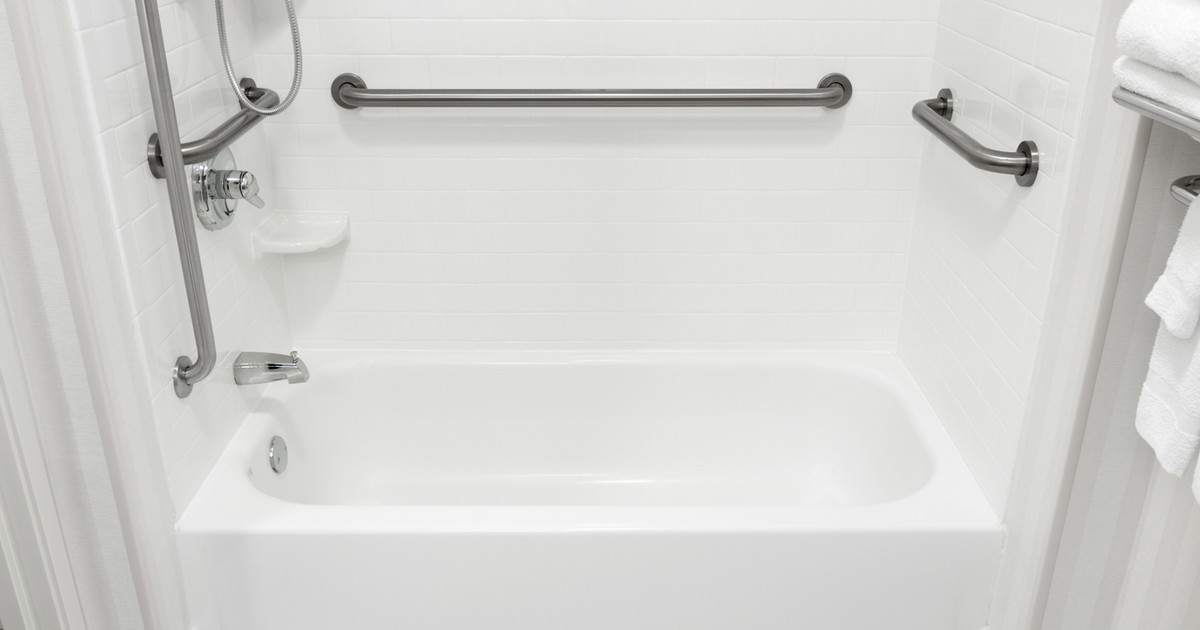
For many people, the first reaction to the idea of assistive equipment is surprisingly emotional. It can feel like an admission that things have got worse, and some people worry that using equipment means they are "giving in" to their pain, or becoming dependent on aids they never imagined needing. Those feelings are completely understandable.
Yet they are often based on a misunderstanding of what assistive equipment is designed to do. The purpose of assistive equipment is not to replace your abilities. It is to support them. Just as glasses help someone see more clearly, or a walking stick provides extra stability on uneven ground, assistive equipment simply removes unnecessary barriers that make everyday life harder than it needs to be.
Making everyday life easier
Living with persistent pain often means simple tasks require far more effort than they once did. Opening a tightly sealed jar may aggravate hand pain. Bending to pick something up may trigger back pain. Standing in the shower for ten minutes might leave you exhausted before the day has even begun. These challenges are rarely caused by a lack of determination; they are often the result of asking your body to work harder than it needs to.
Sometimes a small change makes a remarkable difference. A long-handled reaching aid may save repeated bending. A shower chair may let you conserve enough energy to enjoy the rest of your morning. Ergonomic kitchen utensils can reduce strain on painful hands while still letting you prepare your own meals. The equipment is not doing the task for you. It is making the task more manageable.
Supporting recovery rather than replacing it
One concern people sometimes express is that using equipment will make them weaker. In practice, occupational therapists think about equipment quite differently. Good equipment lets you remain active: instead of avoiding an activity because it is too difficult, you can keep taking part while your strength, confidence and physical capacity continue to improve. In this way, assistive equipment often supports rehabilitation rather than replacing it. As recovery progresses, your needs may change, with some equipment helpful only for a short period and others becoming useful long-term strategies.
Finding the right solution
There is no catalogue of equipment that suits everyone. The best solution depends on your home, your daily routines, your goals, and the challenges you are trying to overcome. An occupational therapist will usually begin by understanding how you complete an activity now, before recommending any equipment at all. Often the simplest solution is the best one, and sometimes it is not equipment that needs to change, but the way the task is organised or the environment in which it is done. The aim is always the same: helping you stay as independent, confident and engaged in everyday life as possible.
Independence looks different for everyone
Independence does not mean doing everything exactly as you always have. It means continuing to make your own choices and take part in the life that matters to you. If a simple piece of equipment lets you prepare your own meals, shower safely, keep gardening, or stay in your own home for longer, it has not reduced your independence. It has strengthened it. Good rehabilitation is not about proving you can do everything without help. It is about finding practical ways to keep living the life you want.
Is there a task you have given up, or now rely on someone else for, that a simple aid might let you do yourself again? Reframing equipment as a route back to independence can change how it feels.
KEY TAKEAWAY
Assistive equipment is designed to support independence, not create dependence, removing unnecessary effort so you can stay active and engaged. The best solutions are personalised to your needs and goals, and independence is measured by participation and choice, not by doing everything without help.
Where to next
Book a Free Navigation Call
Explore Coaching
Clinician Consultation


Authour
Pain Education and Management (PEM)
Last Evidence Review
2 July 2026
Pain Pal provides educational support only and does not replace medical advice, diagnosis or treatment. Always consult your healthcare professional regarding your individual circumstances. In an emergency, call 000.