
Read Time (minutes)
5

Biofeedback and Nervous System Regulation
Biofeedback is a technique that helps you become more aware of how your body responds to stress and pain. By learning to recognise and regulate these responses, you can develop practical skills that reduce muscle tension, calm the nervous system and support long-term pain management.
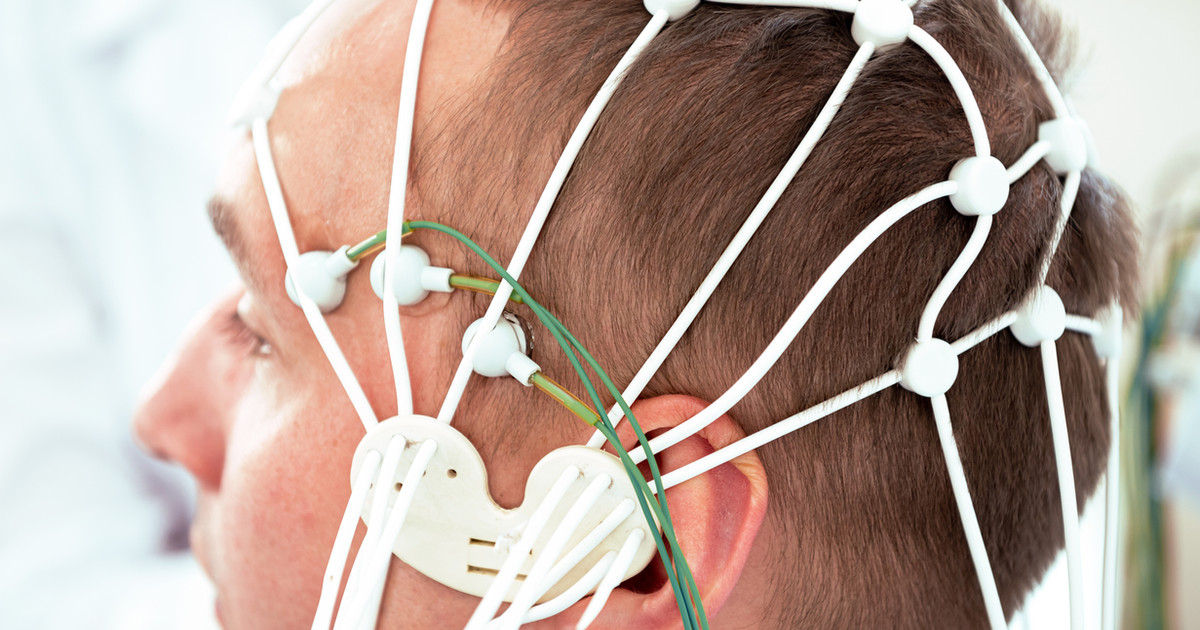
Many of the body's responses to pain and stress happen automatically. Your muscles tighten, your breathing changes, your heart rate rises, and your nervous system becomes more alert, often without you noticing.
Biofeedback is designed to make these normally hidden responses visible, so you can learn to recognise them and gradually bring them under your own control. Rather than a treatment done to you, biofeedback teaches skills you can keep using in everyday life.
What biofeedback is
Biofeedback uses sensors to measure normal body functions such as muscle tension, heart rate, breathing patterns, skin temperature, and heart rate variability (the natural variation in time between heartbeats). The information appears on a screen or through sound, letting you see how your body responds to stress, relaxation and different activities.
With practice, you learn techniques that reduce unnecessary tension and improve nervous system regulation, and over time these skills become easier to use without any equipment.
How it helps
Persistent pain often keeps the nervous system in a heightened state of alert, which can lead to ongoing muscle tension, shallow breathing, increased stress, reduced relaxation and greater pain sensitivity. Biofeedback helps interrupt this cycle by teaching you to notice these responses earlier and respond with strategies that calm the system. Many people report improvements in body awareness, relaxation, stress management, confidence and pain management skills.
Types of biofeedback
Several forms may be used in persistent pain management:
● Muscle (EMG) biofeedback, which helps reduce unnecessary muscle tension
● Heart rate variability (HRV) biofeedback, which supports nervous system regulation
● Breathing biofeedback, which encourages slower, diaphragmatic breathing
● Thermal biofeedback, which improves awareness of stress responses
● Neurofeedback, which measures brainwave activity and may suit some specialised situations
Your healthcare provider can advise whether biofeedback is appropriate for your circumstances.
Part of a bigger picture
Biofeedback is not a cure for persistent pain. It is one tool for understanding your body's responses and building practical self-management skills, and it works well alongside relaxation techniques, mindfulness, exercise, pacing, psychological therapies and pain education. Together, these approaches help reduce the overall sensitivity of the nervous system.
Learning a new skill
Like any skill, biofeedback takes practice. The goal is not perfect relaxation. It is to become more aware of how your body responds to stress and more confident in your ability to influence those responses. Over time, many people get better at spotting early signs of tension and responding before pain escalates.
REFLECTION
Right now, without changing anything, notice your shoulders, jaw and breathing. Are you holding tension you had not registered? That noticing is the first skill biofeedback builds.
KEY TAKEAWAY
Biofeedback makes the body's automatic stress responses visible so you can learn to regulate them. It teaches practical self-management skills, works best alongside other strategies, and, like any skill, improves with practice rather than perfection.
Where to next
Book a Free Navigation Call
Explore Coaching
Clinician Consultation


Authour
Pain Education and Management (PEM)
Last Evidence Review
2 July 2026
Pain Pal provides educational support only and does not replace medical advice, diagnosis or treatment. Always consult your healthcare professional regarding your individual circumstances. In an emergency, call 000.