
Read Time (minutes)
5

Building a Strong Foundation
Moving well is about more than strength alone. Good movement relies on stability, balance, coordination and body awareness working together. Building these foundations helps you move more efficiently, reduces unnecessary strain, and gives you greater confidence to take part in everyday activities.
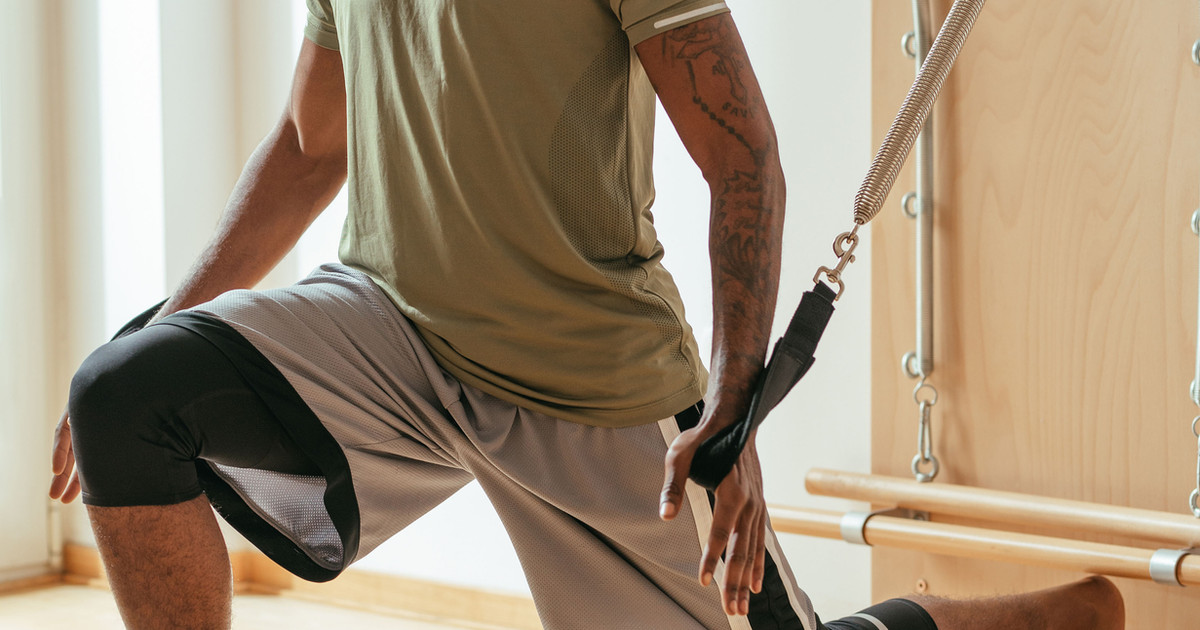
Many people believe recovery simply means getting stronger. Strength certainly matters, but it is only one part of moving well. Your body relies on several systems working together to produce smooth, efficient movement: muscle strength, balance, coordination, flexibility, body awareness and core stability. When persistent pain limits movement, all of these can gradually decline, and, encouragingly, all of them can be improved through appropriate rehabilitation.
What is core stability?
Your core is made up of the muscles around your abdomen, back, pelvis and hips that support your spine and transfer movement through your body. A strong, well-coordinated core does not mean having visible abdominal muscles. It means these muscles work together to provide a stable foundation for everyday activities such as standing, walking, lifting, reaching, carrying and changing direction. Improving core stability helps your body move more efficiently, rather than making it "stronger" in one specific area.
Balance and coordination
Balance often changes after long periods of pain. You may notice you feel less steady, hesitate on uneven ground, avoid stairs, or feel less confident changing direction. Balance is a skill that can be retrained, and simple exercises gradually challenge your body to improve coordination and restore confidence in movement.
Learning to move efficiently
Persistent pain often leads people to brace muscles, hold their breath, or protect painful areas. These protective habits may have helped initially, but over time they can make movement less efficient and more tiring. Physiotherapists and Accredited Exercise Physiologists help identify these patterns and teach strategies for smoother, more efficient movement. The goal is not perfect posture. It is comfortable, confident movement that supports the activities that matter to you.
Building confidence through practice
Like any skill, movement improves with practice. Each repetition helps your brain and body work together more effectively, and over time movements begin to feel easier, smoother, less tiring and more automatic. These improvements often occur gradually, even before pain levels change significantly.
Strong foundations support everyday life
The purpose of improving stability, balance and movement control is not simply to perform exercises. It is to help you walk more confidently, lift safely, play with your children or grandchildren, take part in work, enjoy recreation, and maintain your independence. Every improvement in movement creates new opportunities to take part in life.
Beyond strength, which foundation, balance, coordination, flexibility or body awareness, do you feel has slipped most? That may be a useful thing to raise with your rehabilitation team.
KEY TAKEAWAY
Good movement depends on strength, stability, balance and coordination working together. Core stability provides a foundation for efficient everyday movement, balance and coordination improve with practice, and the aim is efficient, confident movement, not perfect posture.
Where to next
Book a Free Navigation Call
Explore Coaching
Clinician Consultation


Authour
Pain Education and Management (PEM)
Last Evidence Review
2 July 2026
Pain Pal provides educational support only and does not replace medical advice, diagnosis or treatment. Always consult your healthcare professional regarding your individual circumstances. In an emergency, call 000.