
Read Time (minutes)
5

Choosing Active Self-Management
Managing persistent pain is not about choosing between medical treatment and self-management. The best outcomes come when the two work together. Understanding your role helps you build confidence, develop lasting skills, and become an active partner in your care.
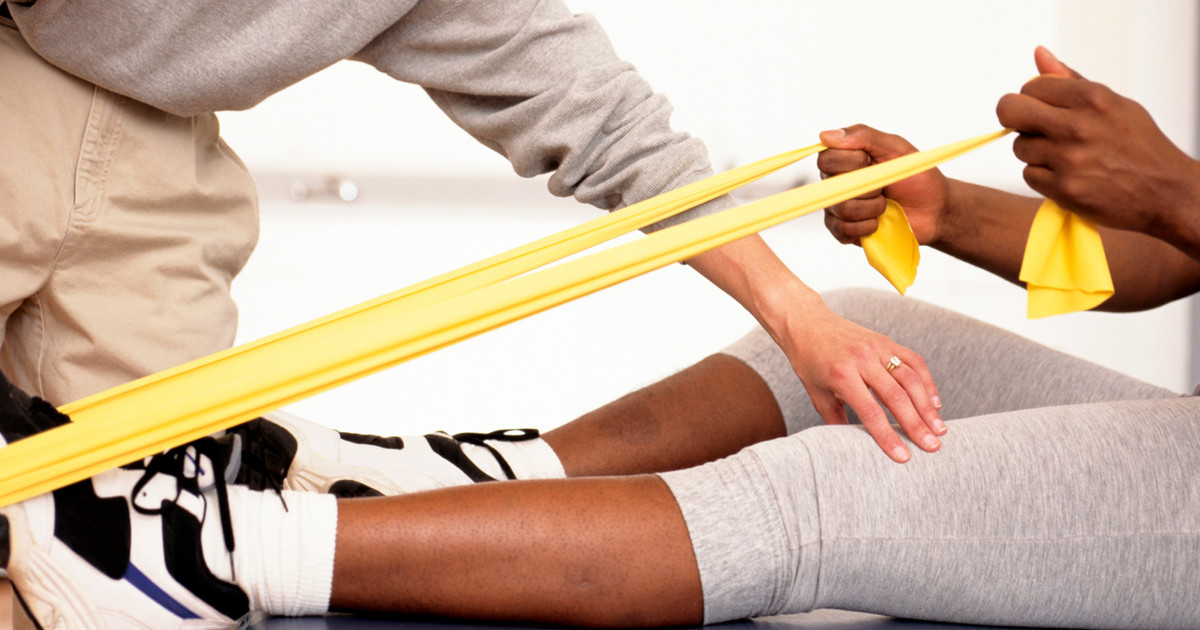
One of the most important things to understand in managing persistent pain is the difference between medical management and self-management, and the fact that they are not competing approaches. They are complementary.
Medical management provides treatments and professional support that can help reduce symptoms and improve function. Self-management is about the actions you take every day to improve your health, build confidence and live well despite pain. The most successful plans combine both.
What self-management is
Self-management means becoming an active participant in your own care, through the everyday choices and skills that help you manage pain and improve quality of life. These may include:
● regular movement and exercise
● pacing your activities
● improving sleep
● managing stress
● using relaxation techniques
● setting realistic goals
● understanding your pain
● maintaining social connections
Self-management does not mean managing alone. It means working alongside your healthcare team while developing the skills to handle many aspects of persistent pain yourself.
What medical management is
Medical management includes treatments provided by healthcare professionals: medicines, physiotherapy, psychology, occupational therapy, exercise physiology, pain specialists, and medical procedures when appropriate. These can play an important role, particularly during flare-ups or when supporting rehabilitation. They work best, though, when they help you become more active rather than more dependent on treatment.
Finding the right balance
Many people first hope one treatment will solve their pain. For persistent pain, recovery is usually more gradual, and medical treatments often create opportunities for self-management rather than replacing it. Medicines may reduce pain enough to let you exercise; physiotherapy may help you move more confidently; psychological strategies may ease fear and anxiety; education may build your confidence to take part in daily activities. Each approach supports the others.
Building confidence
Every positive action strengthens your ability to manage pain. Over time you may notice improvements in confidence, independence, physical function, emotional wellbeing and participation in meaningful activities. These gains often come gradually, but they are important signs that you are developing greater control over how pain affects your life.
Becoming an active partner
Your healthcare team brings knowledge, experience and guidance. You bring your own goals, experiences and understanding of what matters most. The best decisions are made together, and asking questions, setting goals, reviewing progress and taking an active part in your care all contribute to better long-term outcomes.
Think of one recent medical treatment you have had. Did it open a door to something you could do for yourself, and did you walk through it?
KEY TAKEAWAY
Self-management and medical management work best together, with active participation among the strongest predictors of success. Medical treatments should support your long-term skills and independence, and small, consistent actions in partnership with your team produce meaningful gains over time.
Where to next
Book a Free Navigation Call
Explore Coaching
Clinician Consultation


Authour
Pain Education and Management (PEM)
Last Evidence Review
2 July 2026
Pain Pal provides educational support only and does not replace medical advice, diagnosis or treatment. Always consult your healthcare professional regarding your individual circumstances. In an emergency, call 000.