
Read Time (minutes)
5

Creating the Right Sleep Environment
Your bedroom environment can have a real impact on how well you sleep. Small adjustments to bedding, lighting, temperature and noise can make it easier to fall asleep, stay asleep, and wake feeling more refreshed.
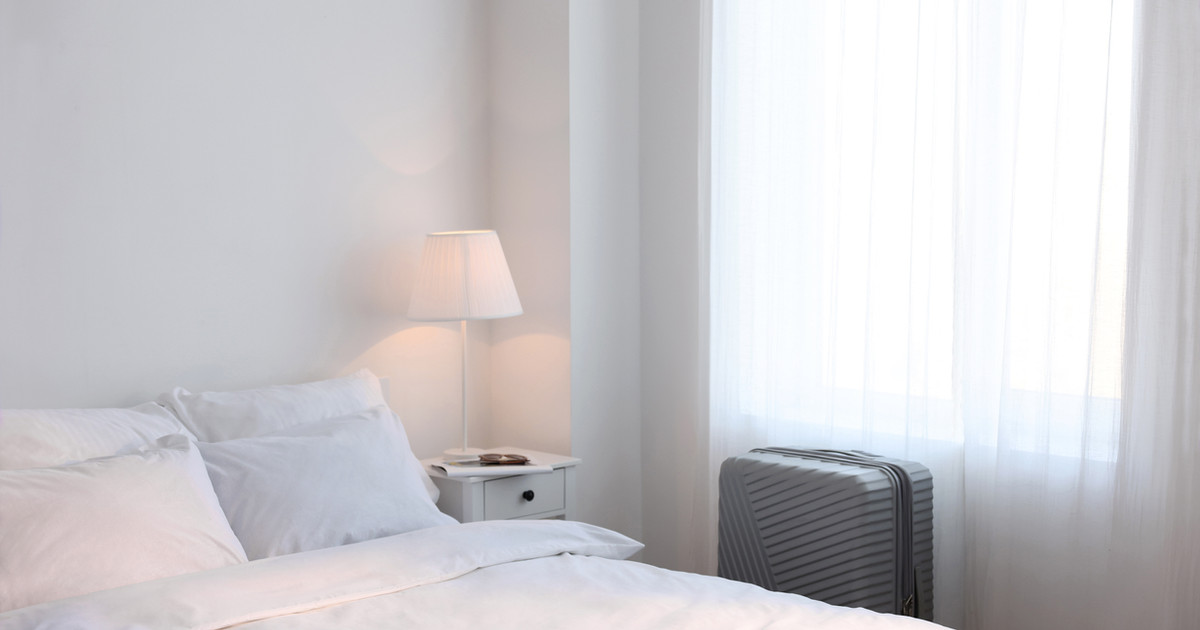
Good sleep habits matter, but the environment you sleep in matters just as much.
For people living with persistent pain, even small sources of discomfort can interrupt sleep. A room that is too warm, too bright or too noisy makes it harder to relax and harder for your body to reach the restorative sleep it needs. The good news is that a better sleep environment rarely needs expensive equipment or major changes; often a few simple adjustments make a noticeable difference.
Making your bed work for you
Your mattress and pillows should support your body comfortably while easing pressure on sensitive areas. There is no single best mattress for everyone. The question that matters most is whether your current bedding helps you wake comfortable, or leaves you stiffer and more sore.
If your bedding is no longer giving you adequate support, replacing a pillow or reviewing your mattress may be worthwhile. Comfort, support and personal preference all count.
Light matters more than you think
Light tells your brain whether it is time to be awake or asleep. Even small amounts of bright light in the evening can reduce your production of melatonin, the hormone that helps regulate sleep. A darker bedroom can make it easier to drift off. Simple options include:
● closing curtains or blinds
● using blackout curtains if needed
● wearing a sleep mask
● avoiding bright lights if you wake during the night
Keeping the room comfortable
Most people sleep better in a room that is slightly cool. Becoming too warm or too cold during the night makes interrupted sleep more likely. Adjusting bedding, clothing, heating, cooling or a fan can all help. The aim is not a perfect temperature, just one that keeps you comfortable through the night.
Reducing noise and distractions
Noise can be especially disruptive with persistent pain, because the nervous system is often already more sensitive. If outside sounds regularly disturb you, consider earplugs, white noise, relaxing background sounds, or reducing household noise where you can.
Your bedroom should also feel like a place for rest. Keeping clutter down and the space calm helps your brain associate the room with sleep rather than activity or stress.
Small changes add up
You do not need to change everything at once. Start by identifying the one thing about your sleep environment that disrupts you most. Making a single improvement and seeing how it affects your sleep is usually more effective than trying to redesign the whole bedroom overnight.
REFLECTION
Of the four factors, bedding, light, temperature and noise, which one disturbs your sleep most? What is one small change you could make to it this week?
KEY TAKEAWAY
Your sleep environment plays a real role in sleep quality. Comfortable bedding, darkness, a slightly cool room and reduced noise all help, and one small, well-chosen change often makes more difference than a complete overhaul.
Where to next
Book a Free Navigation Call
Explore Coaching
Clinician Consultation


Authour
Pain Education and Management (PEM)
Last Evidence Review
1 July 2026
Pain Pal provides educational support only and does not replace medical advice, diagnosis or treatment. Always consult your healthcare professional regarding your individual circumstances. In an emergency, call 000.