
Read Time (minutes)
5

Creating Your Personal Nutrition Plan
Healthy eating is most successful when it reflects your lifestyle, preferences and personal goals. This article helps you bring together everything from the module to develop a realistic nutrition plan that supports your health, recovery and long-term wellbeing.
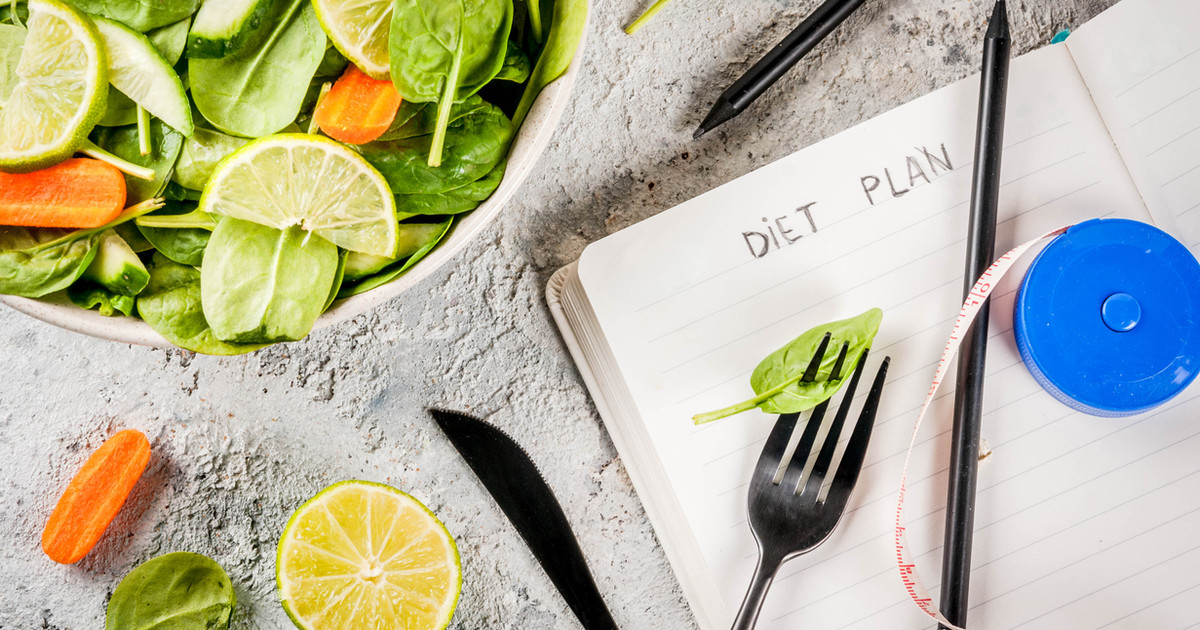
There is no single eating plan that is right for everyone. Yours should reflect your health, lifestyle, cultural preferences, budget, cooking skills and personal goals. The best plan is one you can enjoy and maintain over the long term, and small, consistent changes are usually far more successful than trying to change everything at once.
Start with your goals
Think about what you would like your nutrition to help you achieve. Your goals might include improving your energy, supporting movement and exercise, maintaining a healthy body weight, improving general health, feeling more confident preparing healthy meals, or relying less on highly processed foods. Choose goals that are meaningful to you, rather than someone else's idea of healthy eating.
Make your goals realistic
Successful goals are specific, achievable and flexible. For example: add one extra serve of vegetables each day, replace sugary drinks with water during the week, prepare two home-cooked meals each week, include a source of protein at breakfast, or take healthy snacks to work. Small goals create momentum and help build lasting habits.
Build habits one step at a time
Healthy eating is built through repetition. Rather than aiming for perfection, focus on developing routines that gradually become part of everyday life. If you have a setback, simply return to your plan at the next opportunity. One less healthy meal, or one difficult week, does not undo your progress.
Review your progress
As your health and circumstances change, your plan should change too. Take time to ask yourself regularly: what is working well, what has become difficult, and what small adjustment would help? Reviewing your progress keeps your goals realistic and sustainable.
Work with your healthcare team
If you need more support, discuss your nutrition goals with your team. Your GP, an Accredited Practising Dietitian, a coach or other professionals can help you adapt your plan as your needs change. Nutrition is one part of your overall pain management plan and works best alongside movement, sleep, stress management and other healthy habits.
Looking forward
Healthy eating is a lifelong journey, not a short-term program. Every positive choice contributes to your health and wellbeing, and by building practical habits and making gradual improvements, you are investing in your future health and giving yourself the best opportunity to live well with persistent pain.
If you chose just one realistic nutrition goal to focus on for the next month, what would it be, and what would make it easy to stick to?
KEY TAKEAWAY
Your nutrition plan should reflect your own goals, lifestyle and preferences. Small, achievable goals work better than sweeping change; healthy eating is built through consistent habits rather than perfection, and regular review keeps you on track as one part of your overall pain management plan.
Where to next
Book a Free Navigation Call
Explore Coaching
Clinician Consultation


Authour
Pain Education and Management (PEM)
Last Evidence Review
2 July 2026
Pain Pal provides educational support only and does not replace medical advice, diagnosis or treatment. Always consult your healthcare professional regarding your individual circumstances. In an emergency, call 000.