
Read Time (minutes)
5

Eating to Support Recovery and Reduce Inflammation
The foods we eat influence many processes in the body, including inflammation, immune function and overall health. Rather than focusing on individual "superfoods" or restrictive diets, research shows that a balanced, whole-food eating pattern is the most effective way to support recovery and long-term wellbeing.
Inflammation is a normal and important part of healing. When you cut a finger or sprain an ankle, inflammation helps repair the damaged tissue.
Persistent pain is different. Inflammation may contribute to some painful conditions, but ongoing pain is usually shaped by a mix of biological, psychological and social factors, which means reducing inflammation alone is unlikely to eliminate it. Even so, eating a healthy, balanced diet can support your body's normal inflammatory processes, improve overall health, and create the best possible conditions for recovery.
Looking beyond individual foods
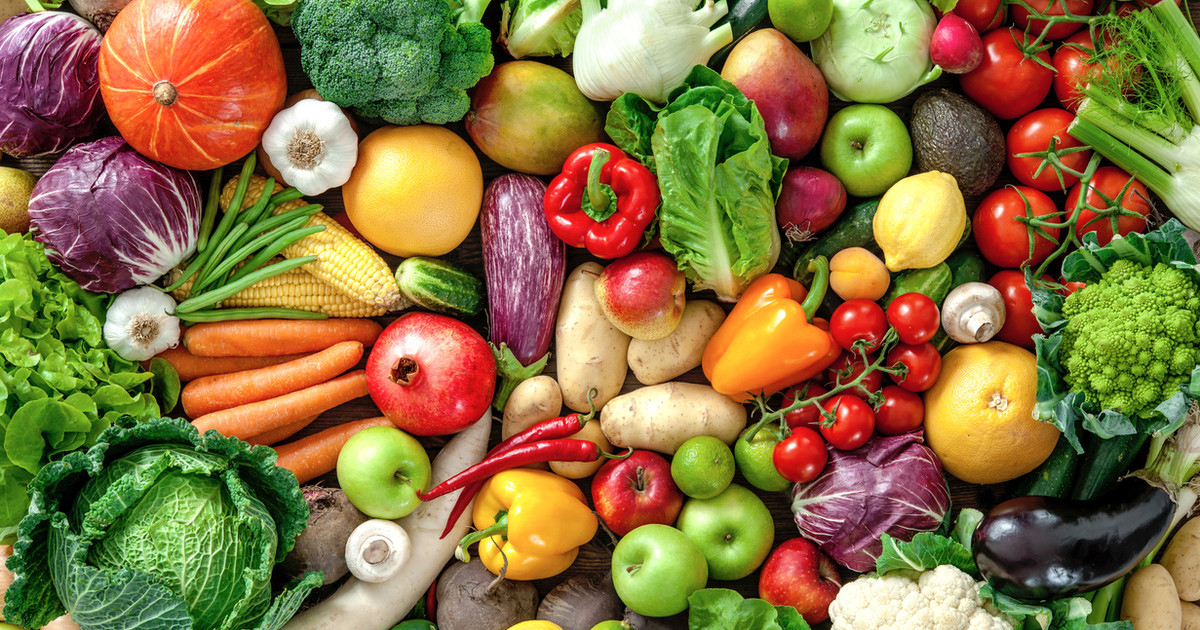
Many diets promote particular foods as "anti-inflammatory," or claim that certain foods must be avoided completely. Current research suggests the overall pattern of eating matters far more than any single food. Healthy patterns consistently include:
● plenty of vegetables
● fruit
● wholegrains
● legumes
● nuts and seeds
● healthy fats such as olive oil
● regular fish or other nutritious sources of protein
These foods provide the vitamins, minerals, fibre and healthy fats your body needs to function well.
Foods to enjoy less often
A balanced pattern also means having foods that offer little nutritional value less often, such as highly processed snack foods, sugar-sweetened drinks, processed meats, foods high in added sugars, foods high in saturated fat, and excessive alcohol. The goal is not to cut them out completely, but to enjoy them less often and in smaller amounts.
Balance, not perfection
Healthy eating does not require strict rules or cutting out whole food groups unless it is medically necessary. Aim for balance across your meals and your week. Small, consistent improvements are more achievable and more sustainable, than highly restrictive diets.
Every meal is an opportunity
Each meal is another chance to nourish your body. There is no need to feel guilty about occasional treats or less healthy meals; what matters is the overall pattern over weeks, months and years. Building sustainable habits matters far more than striving for perfection.
Looking at a typical week rather than a single meal, which of the everyday whole foods, vegetables, wholegrains, legumes, could naturally feature a little more often?
KEY TAKEAWAY
Healthy eating patterns matter more than individual foods or "superfoods." A balanced diet rich in vegetables, fruit, wholegrains, legumes, nuts and healthy fats supports recovery and overall health, and consistency over time matters more than perfection.
Where to next
Book a Free Navigation Call
Explore Coaching
Clinician Consultation


Authour
Pain Education and Management (PEM)
Last Evidence Review
2 July 2026
Pain Pal provides educational support only and does not replace medical advice, diagnosis or treatment. Always consult your healthcare professional regarding your individual circumstances. In an emergency, call 000.