
Read Time (minutes)
5

Finding Meaning Through Recreation and Connection
When pain becomes a daily companion, recreation is often one of the first things to disappear. Hobbies are abandoned, social invitations declined, and enjoyable activities gradually become memories rather than experiences. Yet recreation and connection are not luxuries to return to once pain improves; they are an important part of improving wellbeing and rebuilding a meaningful life.
One of the quietest losses associated with persistent pain is often the easiest to overlook. Not work, not sleep, not even physical activity. It is enjoyment. The things that once filled your weekends, gave you something to look forward to, or helped you feel like yourself can slowly disappear, sometimes because they are physically difficult, and sometimes because they simply do not feel worth the effort anymore.
Over time, life can begin to revolve around appointments, medications and managing symptoms rather than experiences that bring pleasure or meaning. It happens gradually enough that many people do not notice until someone asks a simple question: "what do you do for fun?" If you struggle to answer, you are not alone.
Recreation is part of recovery
It is easy to think of recreation as something you earn once your pain is under control. In reality, the opposite is often true. Activities that absorb your attention, connect you with other people, or give you a sense of achievement can have a powerful influence on wellbeing, providing moments where your focus shifts away from symptoms and towards living. This does not mean pain disappears. It means pain is no longer receiving your full attention. Our brains are designed to notice what we focus on, and when life becomes richer, more engaging and more connected, pain often becomes just one part of a much larger picture. That is one reason recreation is increasingly recognised as an important component of contemporary pain management rather than simply a pleasant extra.
Looking beyond the activity
When people think about returning to an activity, they often focus on what they can no longer do: "I can't play golf anymore." "I can't spend all day fishing." "I can't coach my team." Those losses are real. But it is worth asking another question: "what did that activity give me?" Perhaps golf was not only about golf; perhaps it was friendship, time outdoors, challenge, routine. Perhaps coaching was not only about the sport, but about mentoring young people and feeling part of a community. When we understand what an activity truly gave us, we often discover there are other ways to experience those same benefits. Sometimes the activity changes; the meaning does not.
Start where you are
One of the biggest barriers to re-engaging with life is believing that if you cannot do something exactly as you used to, there is no point doing it at all. Persistent pain rarely responds well to all-or-nothing thinking. Someone who once spent hours in the garden may begin with twenty minutes of pruning. A passionate cook may prepare one favourite meal instead of hosting a dinner party. Someone who loved hiking may rediscover enjoyment through shorter walks in nearby parks. These are not lesser versions of life. They are realistic starting points, and as confidence and capacity grow, those starting points often expand into something much bigger.
People matter
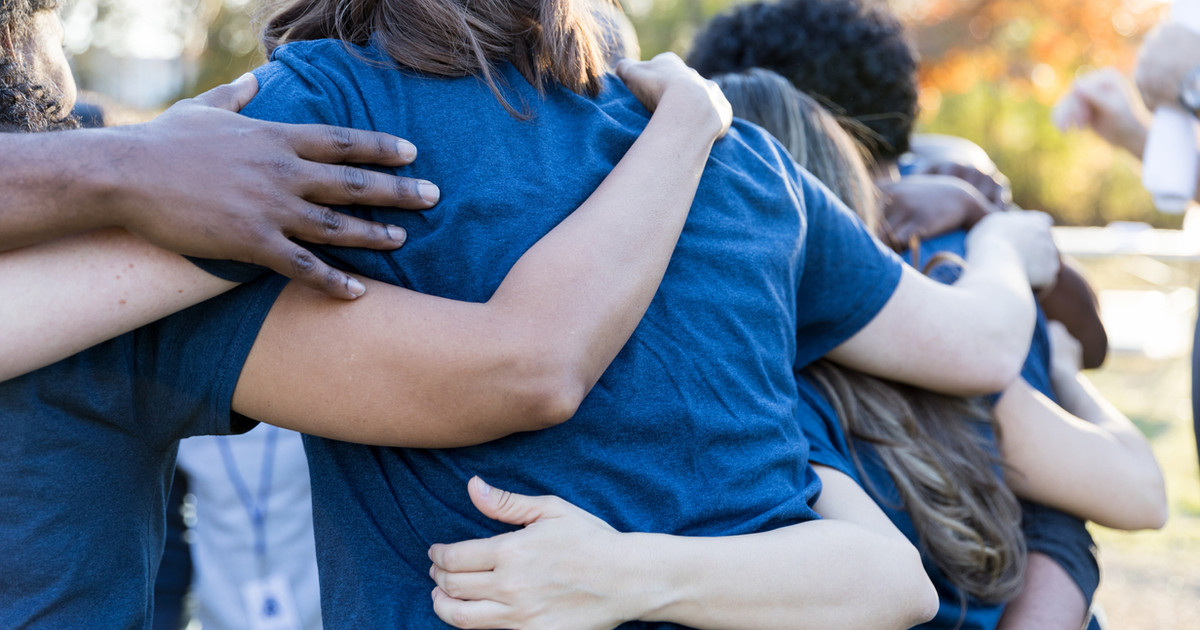
Many of the activities we miss most have something important in common: they involve other people. Humans are social by nature, and feeling connected to family, friends and community has a profound influence on emotional wellbeing, resilience and even the way we experience pain. Unfortunately, persistent pain often leads people to withdraw. Plans are cancelled, phone calls become less frequent, invitations become harder to accept, not because relationships matter less, but because managing pain requires so much energy. Rebuilding connection does not require a busy social calendar. Sometimes it begins with one coffee, one phone call, one community group, one regular commitment that reminds you that you are still part of something bigger than your pain.
A life worth participating in
Rehabilitation is sometimes described as helping people return to life. Perhaps a better description is helping people rediscover reasons to take part in life. The activities matter. The people matter. The sense of purpose matters. These experiences remind us that although pain may influence how we live, it does not have to decide whether life feels worthwhile. Recovery is not waiting until you are well enough to enjoy life again. It is gradually rebuilding a life that is worth enjoying now.
Think of an activity you have let go of. Rather than what you can no longer do, ask what it gave you, friendship, challenge, time outdoors. What is one small way you could get that same thing back this month?
KEY TAKEAWAY
Recreation and social connection are important parts of managing persistent pain, expanding life beyond symptoms. Focusing on what an activity gives you helps you find new ways to meet those same needs, small adapted versions are valuable starting points, and recovery is about creating a life worth participating in even while pain remains.
Where to next
Book a Free Navigation Call
Explore Coaching
Clinician Consultation


Authour
Pain Education and Management (PEM)
Last Evidence Review
2 July 2026
Pain Pal provides educational support only and does not replace medical advice, diagnosis or treatment. Always consult your healthcare professional regarding your individual circumstances. In an emergency, call 000.