
Read Time (minutes)
5

Getting the Most From a Pain Procedure
A successful pain procedure is not the end of treatment; it is often the beginning of the next stage of recovery. Whether a procedure reduces pain for a few weeks or several months, the greatest long-term benefits usually come from how you use that opportunity. Continuing rehabilitation, rebuilding strength, and gradually increasing participation can help turn temporary pain relief into lasting improvements in function and quality of life.
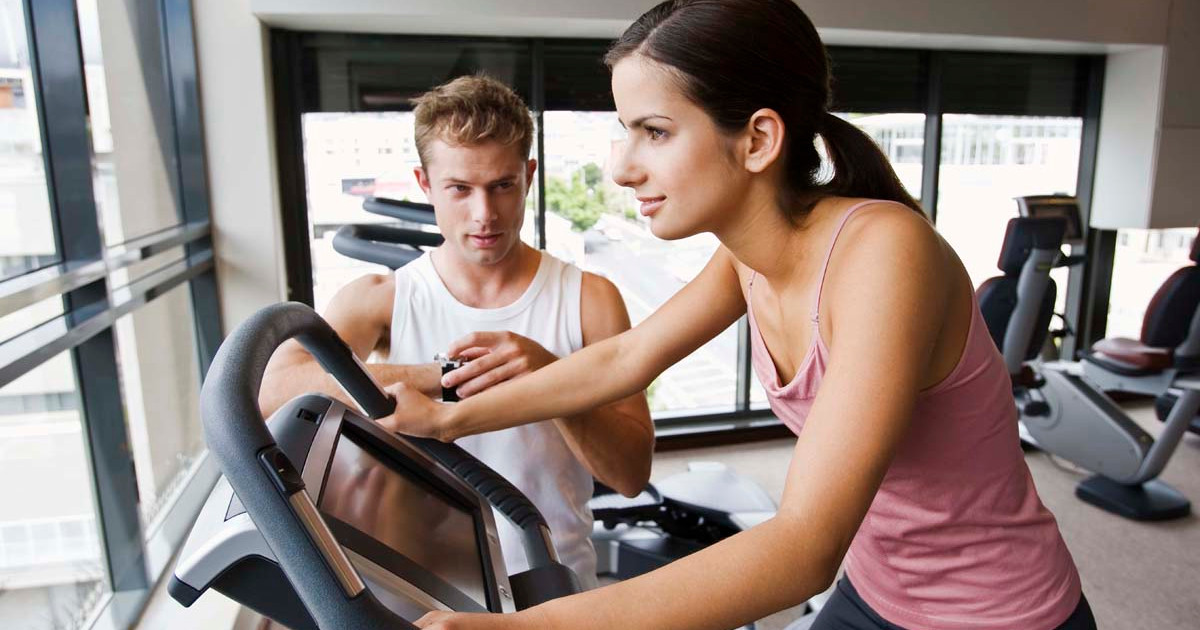
It is easy to think of a pain procedure as the finish line. You have waited for appointments, seen specialists, made a decision, and the procedure is finally complete. Surely the hard part is over. In reality, the opposite is often true. A successful procedure creates an opportunity, and what you do with that opportunity often determines whether the benefits last beyond the initial reduction in pain.
Think of it as opening a window
Imagine your pain has been making everyday life feel like pushing against a heavy door. After a successful procedure, that door may not disappear completely, but it may become much easier to open. Perhaps you can walk a little further, complete your exercise program more comfortably, sleep through the night, return to work, or spend more time with your family. These improvements are valuable because they allow you to begin rebuilding the parts of life that pain had interrupted. The procedure creates the opportunity; your actions determine how much you gain from it.
Keep moving
One of the most common mistakes people make after a successful procedure is assuming they no longer need rehabilitation. After all, if the pain has improved, why continue exercising? Because pain relief and physical conditioning are not the same thing. If you have spent months or years moving less because of pain, your muscles, balance, fitness and confidence may still need time to recover. The period after a successful procedure is often the ideal time to rebuild these areas, because movement is now easier and less threatening. This is when physiotherapy, exercise, pacing and gradual progression become even more valuable.
Rebuild confidence, not just strength
Persistent pain affects more than the body. It also changes the way we think about movement. Many people continue avoiding activities long after the tissues are capable of tolerating them, because the fear of another pain flare remains. Reduced pain provides an opportunity to challenge those fears safely. Perhaps you begin driving longer distances again, return to gardening, or walk around the shopping centre without planning every rest stop. Confidence grows through experience, and each successful activity teaches your nervous system that movement is becoming safer again.
Keep the healthy habits
Pain procedures do not replace the foundations of good health. Sleep still matters. Physical activity still matters. Nutrition still matters. Stress management still matters. The habits you have developed throughout this program remain just as important after a procedure as they were before it. In fact, the reduced pain often makes those habits easier to maintain.
Monitor progress differently
After a procedure, it is tempting to focus on one question: "how much does it hurt today?" A more useful question is "what am I able to do today that I couldn't do before?" Can you walk further? Lift more comfortably? Spend longer with your grandchildren? Return to work? Enjoy a hobby again? These changes are often much better indicators of success than pain intensity alone.
Be patient with recovery
Even after a successful procedure, recovery rarely happens overnight. Your body may need time to adapt, your confidence may rebuild gradually, and some days will still be better than others. That does not mean the procedure has failed. Recovery continues to involve patience, persistence and realistic expectations; progress is usually measured over weeks and months rather than days.
The procedure is not the destination
Throughout the various articles, one message has appeared again and again: recovery is not built around one treatment. It is built around many small decisions made consistently over time. Pain procedures can be one of those decisions. For some people they become an important turning point; for others they provide only modest assistance. Either way, their greatest value lies in helping you continue doing the things that create lasting change: movement, learning, confidence, participation, connection and purpose. Those are the things that ultimately rebuild lives. The procedure simply helps create the opportunity to pursue them.
REFLECTION
If a procedure gave you a window of easier movement, what would you most want to do inside it, and what would help you keep going once the initial relief settles? That plan is what turns a procedure into lasting progress.
KEY TAKEAWAY
Pain procedures create opportunities rather than completing recovery, so continue rehabilitation even when pain improves. Use periods of reduced pain to rebuild movement, strength and confidence, measure success by improved participation rather than pain scores, and remember that long-term recovery still depends on healthy habits and active self-management.
Where to next
Book a Free Navigation Call
Explore Coaching
Clinician Consultation


Authour
Pain Education and Management (PEM)
Last Evidence Review
2 July 2026
Pain Pal provides educational support only and does not replace medical advice, diagnosis or treatment. Always consult your healthcare professional regarding your individual circumstances. In an emergency, call 000.