
Read Time (minutes)
5

How Your Body Works as a Whole
Your body is designed to move as one connected system. Muscles, joints, bones and the nervous system all work together to produce efficient movement. Persistent pain can disrupt these connections, but rehabilitation helps restore the way your body works together, making movement feel easier, more confident and more efficient.
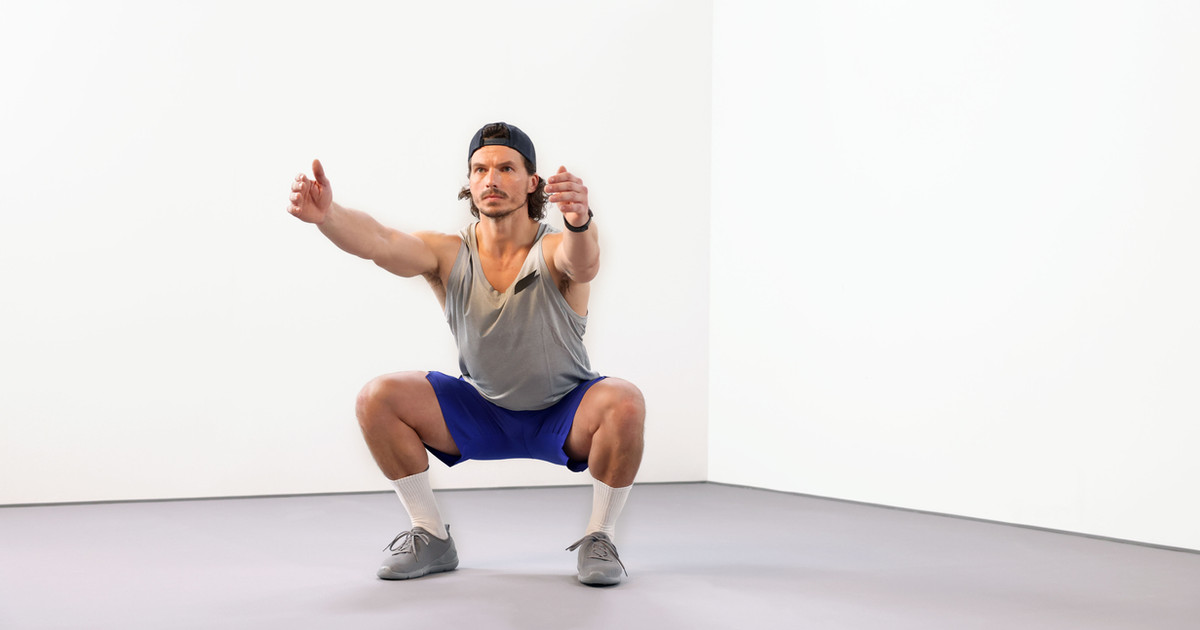
When something hurts, it is easy to focus only on the painful area. But your body rarely works one part at a time. Every movement you make involves many muscles, joints and nerves working together, whether you are walking, bending, lifting or reaching. Persistent pain can interrupt this coordination, causing other areas to work harder to compensate. Understanding how your body works as a connected system helps explain why rehabilitation often focuses on more than the painful area alone.
Everything is connected
Your muscles and joints work together like links in a chain. If one area becomes weaker, stiffer or more sensitive, other parts often compensate. For example:
● hip weakness may place greater strain on the knee
● reduced ankle movement can affect walking
● shoulder pain may change how you use your neck and upper back
● persistent back pain may alter the way you lift or bend
These adaptations are common, and are your body's way of continuing to function.
Compensations can become habits
Many people develop movement habits without realising it, such as shifting weight to one side, avoiding bending, bracing the muscles, changing how they carry objects, or favouring one arm or leg. These protective strategies often reduce discomfort in the short term. If they continue for months or years, though, they can increase fatigue, reduce movement efficiency, and place unnecessary strain on other parts of the body.
Restoring efficient movement
Rehabilitation focuses on helping your whole body move more efficiently, which may involve improving strength, flexibility, balance, coordination, movement confidence and body awareness. Rather than treating one muscle or one joint in isolation, it aims to restore the way your body naturally works together.
Small improvements create big changes
Because the body is interconnected, improving one area often benefits others. Stronger hips may improve walking, better balance may increase confidence, improved flexibility may make lifting easier, and greater endurance may increase participation in daily activities. Recovery is often the result of many small improvements working together.
Working with your rehabilitation team
Physiotherapists and Accredited Exercise Physiologists assess how your whole body moves. They identify movement patterns that may be contributing to ongoing pain and design programs that improve the way your body functions as a complete system. Their goal is not simply to reduce pain. It is to help you move more confidently, take part more fully, and regain independence.
Have you noticed pain or strain showing up somewhere other than your original problem area? It may be your body compensating, and worth mentioning to your physiotherapist.
KEY TAKEAWAY
Your body functions as one connected movement system, and persistent pain can change how its parts work together. Protective patterns may become long-term habits, but improving one area often benefits many others, which is why rehabilitation restores whole-body movement rather than treating one part in isolation.
Where to next
Book a Free Navigation Call
Explore Coaching
Clinician Consultation


Authour
Pain Education and Management (PEM)
Last Evidence Review
2 July 2026
Pain Pal provides educational support only and does not replace medical advice, diagnosis or treatment. Always consult your healthcare professional regarding your individual circumstances. In an emergency, call 000.