
Read Time (minutes)
5

Hydrotherapy: Moving More Comfortably in Water
For some people living with persistent pain, exercising on land can feel difficult or intimidating. Warm water provides a supportive environment that reduces the effects of gravity, making movement feel easier while still allowing muscles and joints to work. Hydrotherapy can be an excellent way to begin rebuilding strength, confidence and physical capacity.
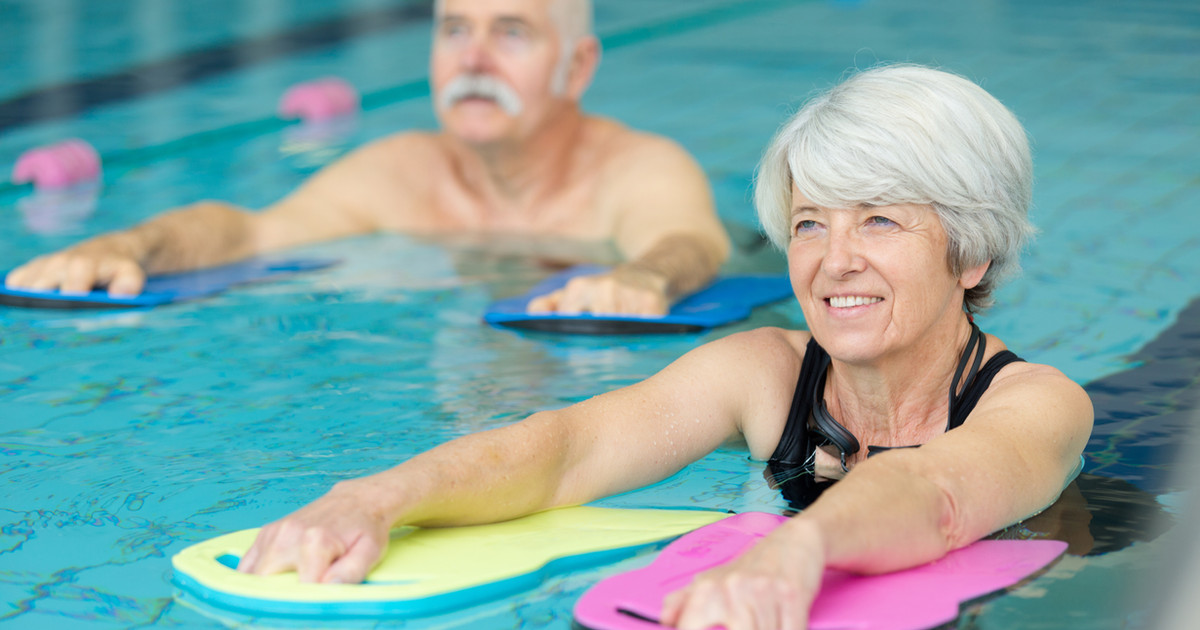
For many people, the thought of exercising brings mixed emotions. You know that movement is important, but perhaps walking increases your pain, your joints feel stiff, or you are worried about overdoing it. If that is how you feel, you are not alone.
One reason hydrotherapy is recommended so often in pain management is that it provides an environment where movement simply feels easier. People who struggle to walk comfortably on land are often surprised by how freely they can move once they are in warm water. That does not mean the water is curing the pain. It means the water is changing the conditions in which your body is working.
Why water feels different
When you step into a pool, your body immediately becomes lighter. The water supports part of your body weight, reducing the load passing through painful joints and muscles, which lets many people move more comfortably than they can on land. Warm water also encourages muscles to relax, often reducing the feeling of stiffness that accompanies persistent pain. For someone who has become fearful of movement, this combination of warmth and support can be incredibly reassuring, providing an opportunity to move with greater confidence while still exercising the muscles, heart and lungs.
Building confidence through movement
One of the greatest benefits of hydrotherapy is not simply what happens in the pool. It is what happens afterwards. Many participants discover they are capable of moving far more than they expected, and that experience begins changing the way they think about their body. Instead of focusing on limitations, they begin noticing possibilities. Walking becomes less intimidating, exercises that once seemed impossible begin to feel achievable, and confidence grows because they have experienced success rather than simply being told that movement is safe.
Hydrotherapy is still exercise
Because movement often feels easier in water, people sometimes assume hydrotherapy is a gentle alternative to exercise. In reality, it is exercise. Your muscles are still working, your heart and lungs are still becoming stronger, and your balance is still improving. The difference is that water lets many people exercise with less discomfort while those adaptations take place. Hydrotherapy is not easier because you are doing less. It is easier because the environment supports you while you are doing it.
Water is one part of the journey
As enjoyable as hydrotherapy can be, it is usually not the final destination. The goal is to build the confidence, strength and physical capacity needed for everyday life outside the pool, which is why many rehabilitation programs gradually combine hydrotherapy with land-based exercise as confidence and function improve. Walking, strengthening exercises and everyday activities remain important because they prepare your body for the demands of work, home and community life. Think of hydrotherapy as another tool in your rehabilitation, not a replacement for movement on land.
Finding the right program
Hydrotherapy programs vary considerably. Some are individually supervised by a physiotherapist or exercise physiologist, while others involve small group classes designed specifically for people with persistent pain or other long-term health conditions. If you are considering hydrotherapy, speak with your healthcare team; they can help determine whether it is appropriate for your situation and recommend a program suited to your goals and current abilities. Like every aspect of rehabilitation, the aim is not simply to exercise. It is to build a stronger, more confident body that lets you take part more fully in the life you want to live.
If land-based movement currently feels intimidating, would trying it in warm water, where your body feels lighter, make a helpful first step? It could be worth asking your healthcare team whether hydrotherapy suits you.
KEY TAKEAWAY
Warm water supports the body and often makes movement more comfortable, helping improve strength, fitness, flexibility and confidence. Exercising in water is still exercise and contributes to recovery; it works best combined with broader rehabilitation, with the ultimate goal of fuller participation in everyday life, in and out of the water.
Where to next
Book a Free Navigation Call
Explore Coaching
Clinician Consultation


Authour
Pain Education and Management (PEM)
Last Evidence Review
2 July 2026
Pain Pal provides educational support only and does not replace medical advice, diagnosis or treatment. Always consult your healthcare professional regarding your individual circumstances. In an emergency, call 000.