
Read Time (minutes)
6

Joint and Epidural Steroid Injections
Joint injections and epidural steroid injections are among the most commonly performed procedures for persistent musculoskeletal pain. While they can provide meaningful relief for some people, they are not appropriate for every condition and rarely provide a permanent solution. Understanding what these procedures are designed to achieve can help you make informed decisions and develop realistic expectations.
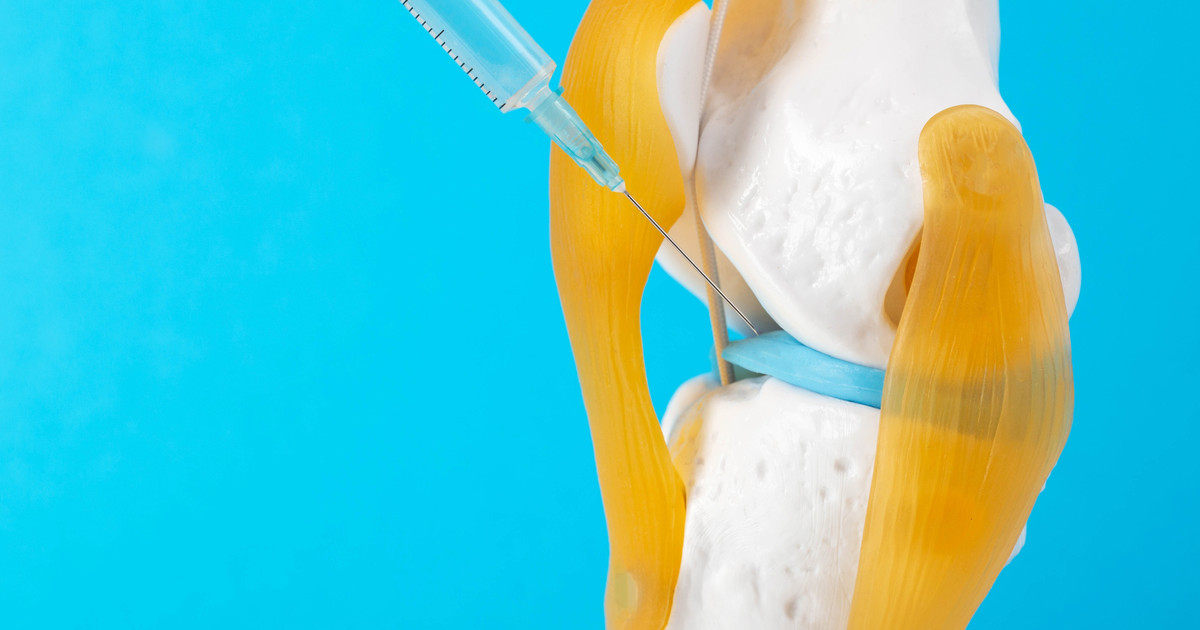
When people hear the word injection, they often imagine a treatment that fixes the problem: if the medication can be placed exactly where the pain is coming from, surely the pain should disappear. In reality, pain management is rarely that simple. Joint and epidural steroid injections can be very helpful for some people, but their purpose is often different from what many expect. Rather than curing persistent pain, they are usually designed to reduce inflammation or calm irritation long enough to help you move more comfortably and continue your rehabilitation. Understanding that distinction is one of the most important parts of deciding whether a procedure is right for you.
What are joint injections?
Joint injections involve placing medication directly into a painful joint. The medication usually contains a corticosteroid to reduce inflammation, often combined with a local anaesthetic that provides short-term pain relief. Common joints treated include the shoulder, knee, hip, and some of the smaller joints of the spine. These injections are most effective when pain is thought to be arising from inflammation within the joint itself. For conditions such as inflammatory arthritis or some forms of osteoarthritis, they may provide worthwhile relief that lasts for weeks or sometimes months. For other conditions, the benefits may be smaller or shorter-lived.
What is an epidural steroid injection?
An epidural steroid injection is different. Instead of being placed into a joint, the medication is injected into the epidural space surrounding the nerves in the spine. The goal is to reduce inflammation around an irritated nerve, particularly when pain is travelling down an arm or leg. This type of procedure is most commonly used for nerve-related pain caused by conditions such as a disc prolapse or spinal stenosis. While some people experience significant improvement, others notice only modest changes. The response varies from person to person.
What should you expect?
One of the most common misunderstandings is expecting immediate and permanent pain relief. The local anaesthetic used during the procedure may reduce pain for a few hours, but this wears off, and the steroid itself usually takes several days to begin working. If the injection is effective, the benefit may last from several weeks to several months, although the duration varies considerably. Some people experience excellent relief; others notice only a small improvement; occasionally, there is no meaningful benefit at all. Unfortunately, no specialist can predict with certainty which category an individual person will fall into.
Why isn't the injection enough?
If an injection reduces your pain, it creates something valuable: opportunity. Perhaps you can now begin strengthening exercises that were previously too uncomfortable, improve your walking, sleep more consistently, return to work, or spend more time with your family. These opportunities are where the greatest long-term benefits often occur. The injection may open the door; rehabilitation helps you walk through it. Without that active follow-up, even a successful injection may provide only temporary improvement.
Are there risks?
Like any medical procedure, injections carry potential risks. Most are uncommon, and your specialist will discuss them before treatment. They may include temporary discomfort after the injection, infection, bleeding, allergic reactions, or temporary increases in pain. Repeated steroid injections into the same area may also have longer-term effects on tissues, which is why specialists generally recommend them only when there is a clear clinical reason. Understanding both the potential benefits and the possible risks allows you to make an informed decision together with your healthcare team.
Making the most of the opportunity
Whether an injection is worthwhile is not measured simply by how much your pain changes. It is measured by what that improvement allows you to do. Can you move more confidently? Can you take part more fully in rehabilitation? Can you begin rebuilding activities that matter to you? These are the outcomes that matter most. Because the real goal is not another injection. It is building a life where you need fewer treatments over time because your confidence, capacity and function continue to improve.
If an injection gave you several weeks of reduced pain, what specific rehabilitation or activity would you use that window for? Planning it in advance is what turns temporary relief into lasting gains.
KEY TAKEAWAY
Joint and epidural steroid injections reduce inflammation rather than curing persistent pain, and are most effective for carefully selected conditions. Relief varies between individuals and is often temporary, so the greatest benefits occur when injections are followed by active rehabilitation, with success measured by improved function rather than pain relief alone.
Where to next
Book a Free Navigation Call
Explore Coaching
Clinician Consultation


Authour
Pain Education and Management (PEM)
Last Evidence Review
2 July 2026
Pain Pal provides educational support only and does not replace medical advice, diagnosis or treatment. Always consult your healthcare professional regarding your individual circumstances. In an emergency, call 000.