
Read Time (minutes)
5

Making Everyday Activities Easier
Persistent pain often affects the ordinary tasks of everyday life long before it prevents major activities. Occupational therapists help people find practical ways to make these tasks easier by adapting how they are done, changing the environment, and introducing simple strategies that support independence and confidence.
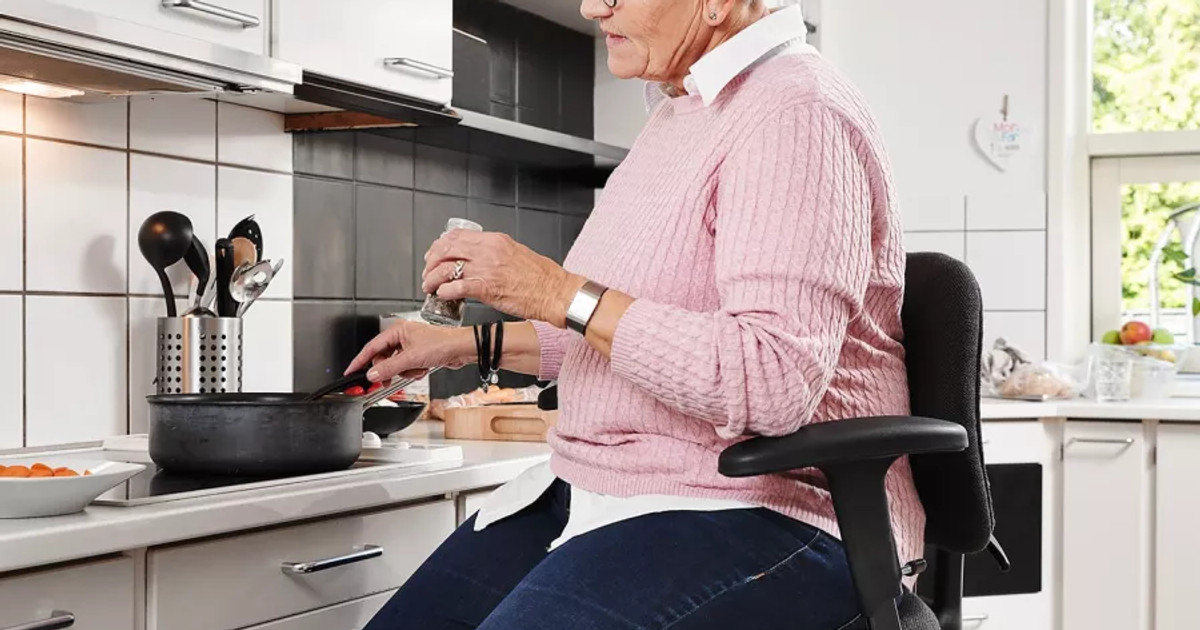
One of the most frustrating aspects of living with persistent pain is that everyday tasks can gradually become exhausting. Getting dressed may take longer than it used to. Preparing a meal might leave you needing to rest before you can eat it. Housework once completed without a second thought can begin to feel like a major undertaking.
These changes can be discouraging, but they do not necessarily mean you are becoming less capable. More often, they are a sign that the way you approach the task needs to change. Occupational therapy is built on a simple idea: if a task has become difficult, there is usually another way of doing it.
Looking beyond the task
When something becomes difficult, our natural response is often to try harder. Occupational therapists take a different approach. Rather than asking whether you can complete the task, they ask what part of the task is creating the greatest challenge.
Perhaps standing to prepare a meal is the problem, not the cooking itself. Maybe carrying a full basket of washing causes pain, but two lighter loads would be manageable. Perhaps getting into the shower is harder than showering once you are there. By breaking an activity into smaller parts, it often becomes much easier to find practical solutions.
Small changes can have a big impact
Many people expect that improving function requires major lifestyle changes. In reality, it is often the small adjustments that make the biggest difference. Preparing food while sitting at the kitchen bench instead of standing may let you cook with much less fatigue.
Moving commonly used items to an easier height can reduce repeated bending and stretching. Spreading household chores across several days, rather than finishing everything in one afternoon, often leaves you with more energy for the people and activities you enjoy. None of these changes reduce your independence; they simply allow you to use your energy more wisely.
Equipment can help you stay independent
Some people worry that using assistive equipment means becoming dependent. In practice, the opposite is often true. A simple jar opener may let you prepare meals without asking for help. A long-handled reaching aid can save repeated bending. A shower chair may reduce fatigue and make personal care safer and more comfortable. Small changes like these remove unnecessary barriers so your energy can go toward the activities that matter most. Good equipment should never replace your abilities; it should support them.
Finding what works for you
There is no single right way to complete everyday activities. Your home, your work, your family responsibilities and your priorities are unique to you. An occupational therapist works alongside you to understand how you live and identify practical strategies that fit. As your confidence and physical capacity improve, those strategies can evolve with you, gradually reducing the need for adaptation as you regain function. The goal is never to make your world smaller. It is to help you take part more fully in the life you want to live.
Pick one everyday task that has become tiring. Which single part of it is the real problem, the standing, the carrying, the bending? That is where a small change could help most.
KEY TAKEAWAY
Everyday activities can often be made easier through practical adaptation rather than working harder. Small changes to routines and environments can significantly reduce pain and fatigue, and assistive equipment supports independence by removing unnecessary barriers, personalised to your lifestyle and goals.
Where to next
Book a Free Navigation Call
Explore Coaching
Clinician Consultation


Authour
Pain Education and Management (PEM)
Last Evidence Review
2 July 2026
Pain Pal provides educational support only and does not replace medical advice, diagnosis or treatment. Always consult your healthcare professional regarding your individual circumstances. In an emergency, call 000.