
Read Time (minutes)
5

Making Healthy Eating Work in Everyday Life
Knowing what to eat is only part of healthy eating. The biggest challenge for many people is putting healthy choices into practice. This article explores practical strategies to make healthy eating simpler, more affordable and more sustainable, even when living with persistent pain.
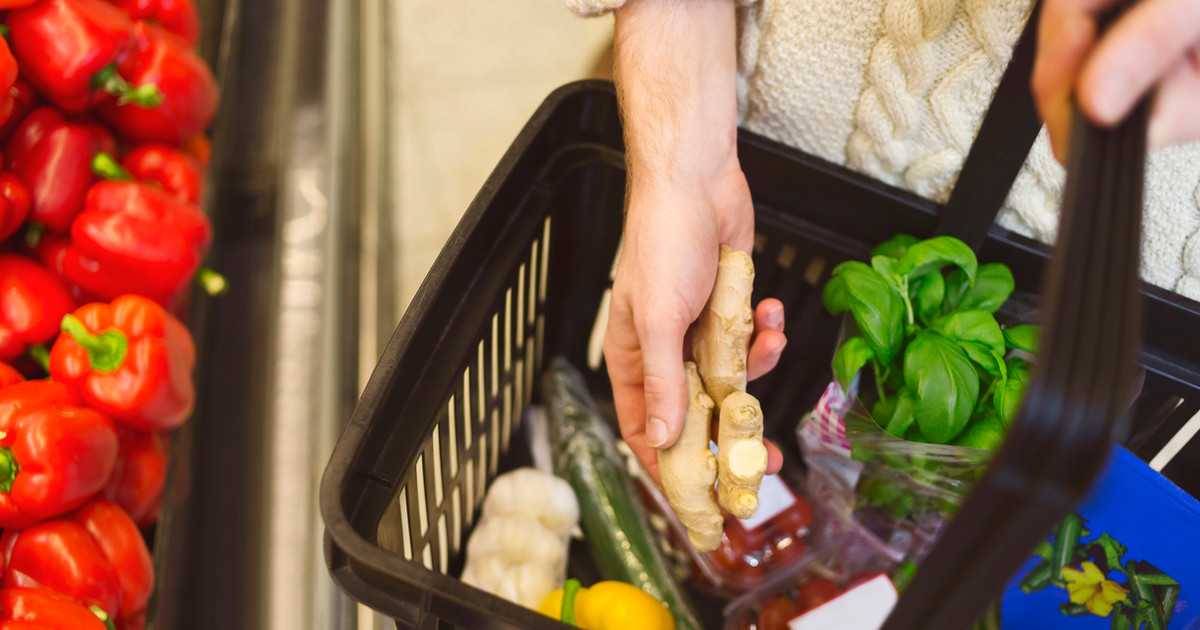
Living with persistent pain can make healthy eating more challenging. Pain, fatigue, limited mobility, time pressures and cost can all affect the foods you buy, prepare and eat.
The encouraging news is that healthy eating does not have to be complicated. Simple routines and realistic planning can make nutritious eating easier and more sustainable over the long term.
Plan ahead
Planning meals in advance reduces last-minute decisions and makes healthy choices easier. Simple strategies include writing a weekly meal plan, preparing a shopping list, cooking larger meals and freezing leftovers, keeping healthy pantry staples on hand, and preparing snacks in advance. Planning can also cut food waste and help manage grocery costs.
Keep it simple
Healthy meals do not need to be elaborate; many nutritious ones use just a few ingredients. Think grilled chicken or fish with vegetables, vegetable omelettes, stir-fries, soups, salads with beans or lean protein, or wholegrain sandwiches with healthy fillings. Aim for meals that are realistic for your life rather than striving for perfection.
Shop smart
Healthy choices often begin at the supermarket. It helps to shop with a list, choose seasonal fruit and vegetables, compare nutrition labels, select mostly minimally processed foods, and avoid shopping when hungry. Frozen and canned vegetables, beans and fruit can also be nutritious, convenient and cost-effective.
Overcoming common barriers
Everyone faces challenges at times. If fatigue makes cooking difficult, consider preparing meals on better days, using pre-cut vegetables, choosing healthy convenience options, or asking family or friends for support. If cost is a concern, affordable nutritious foods include oats, legumes, eggs, frozen vegetables, seasonal produce and canned fish. Healthy eating does not need to be expensive.
Building habits that last
Long-term success comes from habits that fit your daily life. Rather than making many changes at once, choose one or two small goals and build from there, such as eating one extra serve of vegetables a day, drinking water instead of soft drink, cooking one more meal at home each week, or having fruit as a regular snack. Small habits become lasting routines when practised consistently.
On a low-energy day, what is your usual fallback meal? Is there a simple, nourishing version you could keep ingredients on hand for?
KEY TAKEAWAY
Healthy eating should be practical, realistic and sustainable. Planning meals, keeping it simple, shopping smart and working around barriers all help, and small consistent habits produce lasting improvement without becoming another source of stress.
Where to next
Book a Free Navigation Call
Explore Coaching
Clinician Consultation


Authour
Pain Education and Management (PEM)
Last Evidence Review
2 July 2026
Pain Pal provides educational support only and does not replace medical advice, diagnosis or treatment. Always consult your healthcare professional regarding your individual circumstances. In an emergency, call 000.