
Read Time (minutes)
5

Massage Therapy: More Than Relaxation
Most people think of massage as a way to relax, but for people living with persistent pain it can do more. Massage therapy can reduce muscle tension, calm an overactive nervous system, and create a window where movement feels easier. While the benefits are often temporary, massage can be a valuable part of a broader rehabilitation program when combined with active self-management.
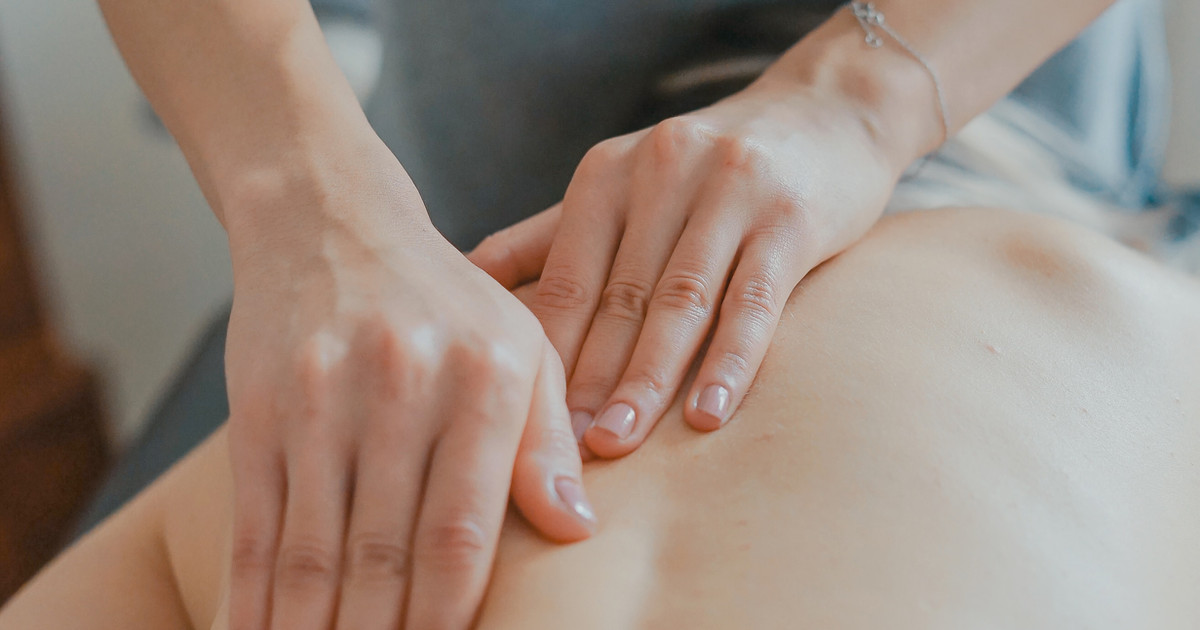
If you have ever instinctively rubbed your shoulder after knocking it, or massaged your neck after a long day, you have experienced something almost universal. When our bodies hurt, we naturally reach out and touch the painful area; there is something reassuring about skilled hands easing tight muscles, slowing us down, and giving our body permission to relax. Massage builds on that simple instinct.
For many people living with persistent pain, however, the question is not whether massage feels good. It is whether it actually helps. The answer is yes, but perhaps not in the way many people expect.
Your muscles are only part of the story
When pain persists, muscles often become tense and protective. Sometimes this happens because they are working harder to support an uncomfortable joint; sometimes it develops simply because the nervous system has become more alert, keeping muscles partially contracted for much of the day. Massage can help reduce that tension. But one of its most important effects occurs somewhere else: your nervous system.
Gentle, skilled touch sends reassuring information to the brain that the body is safe. Heart rate slows, breathing becomes easier, and the body's stress response begins to settle. For many people, this creates a noticeable feeling of calm that extends well beyond the treatment room. In other words, massage is not simply working on muscles. It is influencing the way your whole body responds to pain.
Creating an opportunity for movement
Many people describe feeling looser after a massage: walking feels easier, turning their head becomes more comfortable, their shoulders seem less restricted. These changes can be extremely valuable, not because massage has permanently changed the tissues, but because it has created an opportunity, a window where movement feels easier. That window is often the ideal time to go for a walk, complete your strengthening exercises, or continue with the rehabilitation strategies you have been developing. This is where massage fits best within contemporary pain management: not as the treatment that fixes everything, but as a treatment that helps you do the things that create lasting change.
Choosing the right type of massage
Massage is not a single treatment. Some styles focus primarily on relaxation, while others assess and treat specific musculoskeletal problems. For people living with persistent pain, remedial massage is often the most appropriate starting point; a remedial massage therapist is trained to assess painful areas, adapt treatment to your needs, and work alongside your broader rehabilitation goals. That does not mean relaxation massage has no value, since feeling calmer, sleeping better and reducing stress all influence the experience of pain. The most appropriate approach depends on your goals, your preferences, and how massage fits within the rest of your care.
More pressure isn't always better
Many people believe effective massage needs to be deep and sometimes painful. In reality, this is not always true. When the nervous system has become highly sensitive, very firm pressure can sometimes increase discomfort rather than reduce it. Good therapists adjust their treatment to your comfort and your response, and sometimes gentle treatment achieves far more than deep tissue work. The aim is not to tolerate as much pressure as possible. It is to leave the session moving more comfortably and feeling more confident than when you arrived.
One part of your recovery
Massage has an important place in pain management: it can reduce muscle tension, improve sleep, lower stress, and create temporary pain relief. These are genuine benefits. The important thing is to recognise that massage works best when it supports the active work you are doing elsewhere. If every massage helps you walk further, exercise more comfortably, or return to activities that matter to you, then it is contributing to meaningful recovery. Because ultimately, the goal is not to become dependent on massage. It is to use it as one of the tools that helps you build a stronger, more capable and more active life.
If massage leaves you feeling looser and calmer, what is one movement or activity you could do in that window, while it lasts, to turn temporary relief into lasting progress?
KEY TAKEAWAY
Massage therapy can reduce muscle tension and calm the nervous system, and many people experience improvements in comfort, relaxation and sleep. Its greatest value is often the window it creates for movement and rehabilitation; different styles suit different goals, and it works best combined with active self-management.
Where to next
Book a Free Navigation Call
Explore Coaching
Clinician Consultation


Authour
Pain Education and Management (PEM)
Last Evidence Review
2 July 2026
Pain Pal provides educational support only and does not replace medical advice, diagnosis or treatment. Always consult your healthcare professional regarding your individual circumstances. In an emergency, call 000.