
Read Time (minutes)
5

Medicines as Part of Your Pain Management Plan
Medicines can help manage persistent pain, but they work best combined with other evidence-informed approaches. Lasting improvements usually come from a multidisciplinary plan that includes movement, education, psychological strategies, healthy lifestyle habits and active self-management.
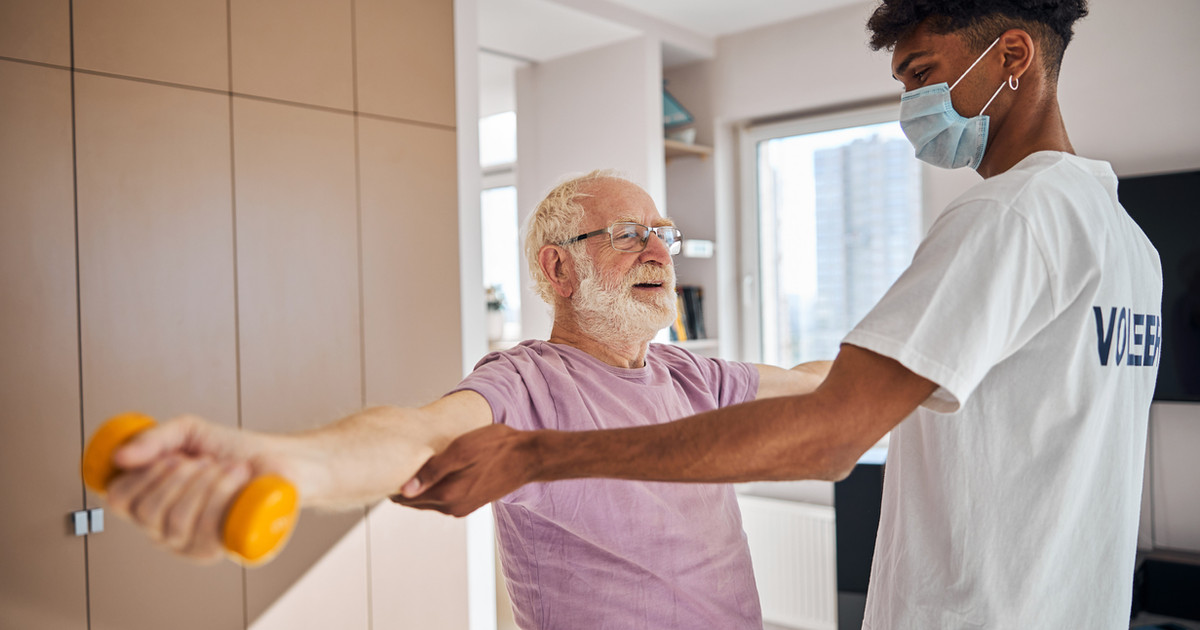
Medicines are only one part of managing persistent pain. They may reduce symptoms or make activities more comfortable, but on their own, they rarely address all the factors that keep pain going.
The research is consistent: the best outcomes come when medicines are combined with other strategies that support both the body and the nervous system. So rather than asking "what medicine will fix my pain?", a more helpful question is "how can medicines help me take part more fully in my recovery?"
Supporting active rehabilitation
One of the most valuable things a medicine can do is help you take part in the activities that drive long-term recovery. Medicines may help you:
● take part in physiotherapy or exercise
● complete your home exercise program
● sleep better
● increase your daily activity levels
● return to work or other meaningful roles
● manage flare-ups more effectively
When medicines make these things possible, they become part of a broader rehabilitation plan rather than the whole treatment.
The value of working as a team
Persistent pain is shaped by physical, psychological and social factors, so care often involves several professionals working together. Your team may include your GP, pharmacist, physiotherapist, psychologist, occupational therapist, exercise physiologist, pain specialist and health coach.
Each brings different knowledge and skills, and together they help make sure your treatment addresses the many things that influence persistent pain.
Building self-management skills
Over time, the aim is not to lean more and more on medicines. It is to build the knowledge, confidence and skills to manage pain more effectively yourself. That includes strategies like pacing, regular movement, better sleep, stress management, relaxation techniques, healthy lifestyle habits and goal setting. Medicines can support these skills, but they do not replace them.
Measuring success
Success is not measured only by how much pain you have. It also shows in your ability to move more comfortably, take part in daily activities, maintain relationships, enjoy recreation, reach personal goals and improve your quality of life.
Your medicines should keep being reviewed against these outcomes, to make sure they remain a useful part of the whole plan. Other articles in this area look at medication reviews and the professionals who help keep your treatment safe and effective.
REFLECTION
Which one non-medicine strategy, movement, sleep, stress, pacing, could you pair with your medicines this month to get more out of both?
KEY TAKEAWAY
Medicines work best as part of a multidisciplinary plan, often by making active rehabilitation possible. Lasting improvement comes from combining them with movement, education and self-management, and success is measured by function and quality of life, not pain alone.
Where to next
Book a Free Navigation Call
Explore Coaching
Clinician Consultation


Authour
Pain Education and Management (PEM)
Last Evidence Review
2 July 2026
Pain Pal provides educational support only and does not replace medical advice, diagnosis or treatment. Always consult your healthcare professional regarding your individual circumstances. In an emergency, call 000.