
Read Time (minutes)
5

Moving Through Everyday Life
Persistent pain affects much more than exercise. It changes how we move through everyday life — getting out of a chair, climbing stairs, carrying shopping or reaching into a cupboard. Reconditioning these everyday movements is one of the most effective ways to regain independence, confidence and quality of life.
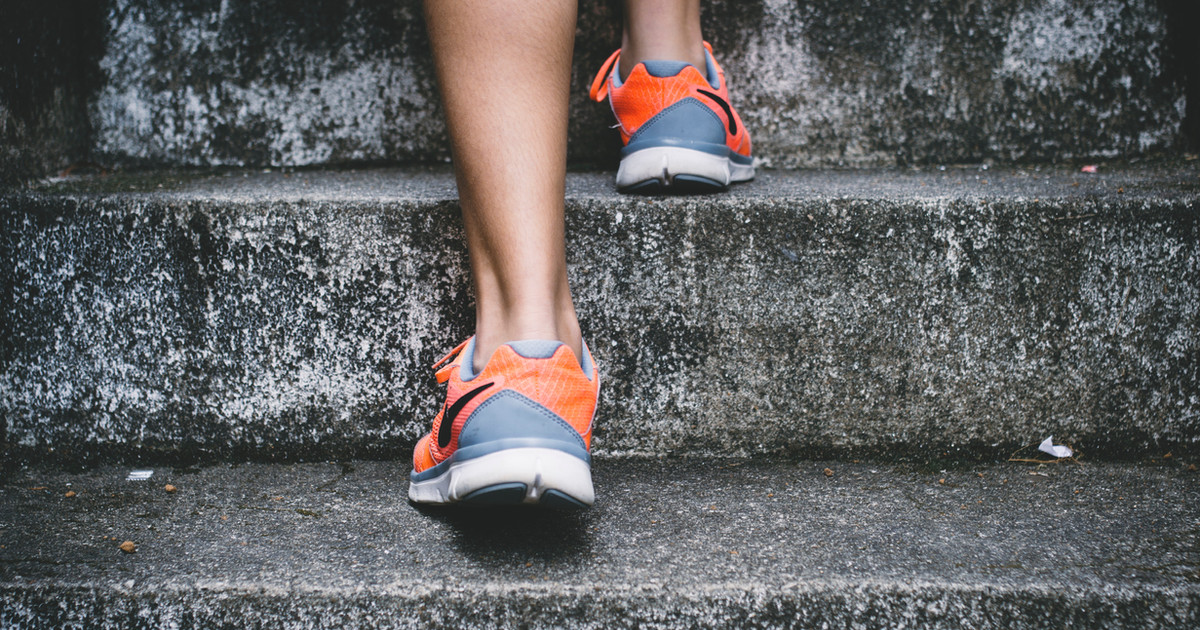
For many people living with persistent pain, it is not sporting activities that become difficult, it is the ordinary movements of daily life: getting out of bed, standing from a chair, walking up stairs, picking something up from the floor, carrying groceries, reaching into a cupboard.
These movements happen hundreds of times each week, yet persistent pain can gradually make each one feel harder. The encouraging news is that these everyday activities can usually be rebuilt through gradual practice and appropriate rehabilitation.
Why everyday activities become harder
Persistent pain changes the way your body moves. Muscles become weaker through reduced use, joints become stiffer, balance may decline, and you may begin protecting the painful area without realising it. Over time, movements that were once automatic start to require more effort and concentration. This does not mean you have lost the ability to do them forever. It simply means your body needs an opportunity to rebuild them.
Practising the movements that matter
One of the most effective ways to improve everyday function is to practise the activities you want to regain. Rather than exercises that feel unrelated to daily life, rehabilitation often focuses on movements such as:
● standing up from a chair
● climbing steps
● bending safely
● reaching overhead
● carrying light objects
● getting into and out of a car
These tasks are practised at a level matching your current ability, then gradually made more challenging.
Building strength and confidence together
Strength matters, but confidence matters just as much. Many people avoid movements because they expect pain or fear causing further damage. Each successful movement helps replace uncertainty with experience, and over time these repeated experiences teach both your body and your nervous system that everyday activities can be performed safely.
Progress happens gradually
Recovery rarely comes in large jumps; small improvements accumulate. Perhaps today you can stand from a chair more easily. Next week you climb a flight of stairs with greater confidence. A month later you are carrying your shopping again. Each success becomes the foundation for the next.
Focus on what matters to you
The purpose of rehabilitation is not simply to improve movement. It is to help you return to the activities that give your life meaning, whether that is gardening, playing with grandchildren, returning to work, walking your dog, travelling, or cooking a family meal. Your rehabilitation goals should reflect the life you want to live.
Which one everyday movement, standing from a chair, climbing stairs, reaching a shelf, would make the biggest difference to your independence if it felt easier? That is a goal worth naming.
KEY TAKEAWAY
Persistent pain affects everyday movements as well as exercise. Practising the meaningful daily activities you want to regain rebuilds strength, confidence and independence. Rehabilitation should focus on movements that matter to your life, with the goal of restored participation, not just completed exercises.
Where to next
Book a Free Navigation Call
Explore Coaching
Clinician Consultation


Authour
Pain Education and Management (PEM)
Last Evidence Review
2 July 2026
Pain Pal provides educational support only and does not replace medical advice, diagnosis or treatment. Always consult your healthcare professional regarding your individual circumstances. In an emergency, call 000.