
Read Time (minutes)
5

Pilates: Building Control, Strength and Confidence
Pilates is often associated with strong core muscles and improved posture, but its benefits extend much further. By emphasising slow, controlled movement, body awareness and progressive strengthening, Pilates can help people living with persistent pain rebuild confidence in movement while improving strength, flexibility and everyday function.
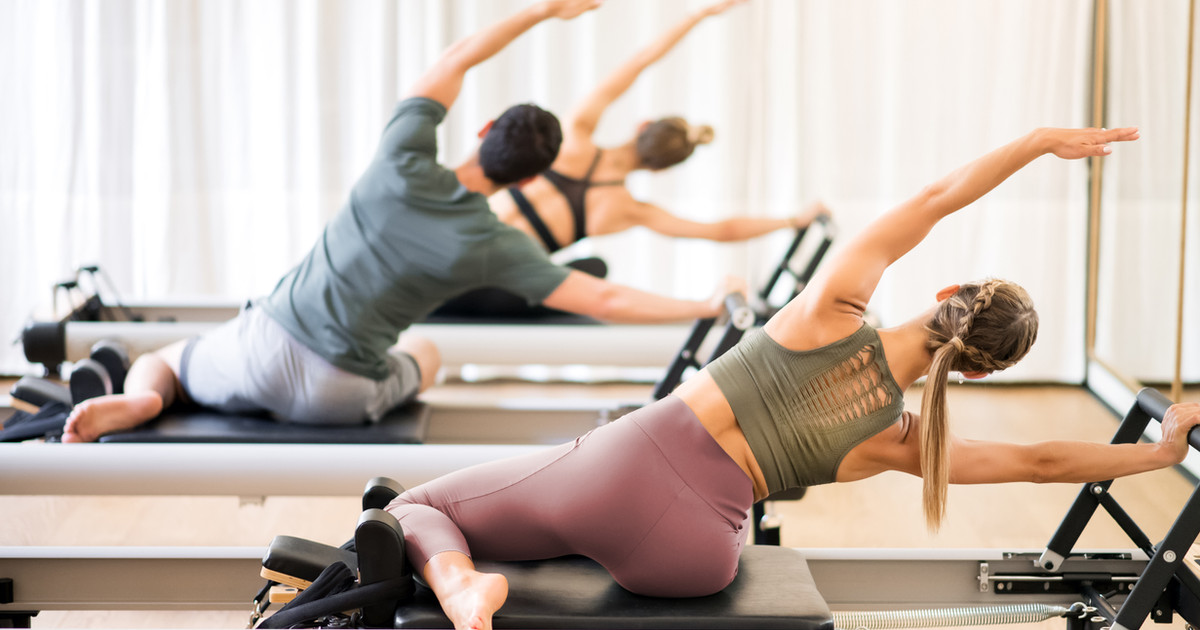
When many people hear the word Pilates, they immediately picture toned athletes effortlessly balancing on specialised equipment. If that is your impression, you are not alone, and it is one of the reasons many people dismiss Pilates before they have ever tried it.
In reality, Pilates is not about performing difficult exercises or achieving perfect posture. It is about learning to move well. For people living with persistent pain, that simple idea can be incredibly powerful. Rather than asking your body to work harder, Pilates first teaches it to work more efficiently.
Quality before quantity
Many forms of exercise focus on doing more: more repetitions, more weight, more intensity. Pilates takes a different approach, emphasising the quality of each movement rather than the number completed. Exercises are performed slowly and with attention, letting you notice how your body moves, where unnecessary tension develops, and how your breathing influences movement. This slower pace often gives people with persistent pain the confidence to move in ways they may have been avoiding for months or even years. Instead of rushing through exercise, Pilates encourages curiosity: "what happens if I move a little differently?"
Rebuilding confidence from the centre
You will often hear Pilates described as focusing on the core. This does not simply mean building stronger abdominal muscles. The core includes the deep muscles of your abdomen, back, pelvis and diaphragm that work together to support movement throughout your body. When these muscles become deconditioned or poorly coordinated, everyday activities can feel harder than they need to. Pilates gradually rebuilds this coordination, and over time many people notice that standing, walking, lifting and reaching feel smoother and require less effort. The greatest benefit often is not becoming stronger. It is feeling more confident in how your body moves.
Strength without rushing
One reason Pilates works well for people with persistent pain is that it develops strength progressively, with exercises that can be modified to match almost any level of fitness or mobility. For some people, that begins with learning to breathe comfortably while gently activating deep muscles; for others, it may involve more challenging movements using body weight or specialised equipment. Neither approach is better than the other. Both recognise that rehabilitation begins where you are today, not where you wish you were.
More than just core strength
Although Pilates is well known for improving core stability, participants often notice benefits that reach much further: balance improves, posture becomes more relaxed rather than more rigid, movement feels smoother, and confidence grows. Many people also describe becoming much more aware of how they move throughout the day. Rather than automatically bracing or avoiding certain movements, they begin trusting their body again, and that increased body awareness often carries into walking, gardening, work and other everyday activities.
Finding the right class
Like any exercise program, Pilates is only as good as the way it is taught. If you are living with persistent pain, it is worth looking for an instructor experienced in working with people managing long-term health conditions. Some physiotherapists provide Clinical Pilates, where exercises are individually selected and progressed as part of a rehabilitation program; others may prefer a small community class that lets the instructor modify exercises when needed. The goal is not to find the hardest class. It is to find one where you feel safe enough to learn, move and gradually challenge yourself.
Movement you can build on
Pilates will not eliminate persistent pain overnight; it is not designed to. Its value lies in helping you rebuild the foundations that support everything else: strength, control, balance and confidence. As these foundations improve, so too does your ability to take part in the activities that matter most. Because ultimately, successful rehabilitation is not about performing perfect Pilates exercises. It is about making everyday life feel easier.
Pilates rewards curiosity over effort. In your own movement, where do you notice yourself bracing or rushing? What might change if you slowed down and paid attention instead?
KEY TAKEAWAY
Pilates focuses on controlled movement, body awareness and gradual strengthening, improving movement quality, confidence and function. Exercises adapt to almost any level of ability, Clinical Pilates may suit those needing individual rehabilitation, and it works best as part of a broader active approach.
Where to next
Book a Free Navigation Call
Explore Coaching
Clinician Consultation


Authour
Pain Education and Management (PEM)
Last Evidence Review
2 July 2026
Pain Pal provides educational support only and does not replace medical advice, diagnosis or treatment. Always consult your healthcare professional regarding your individual circumstances. In an emergency, call 000.