
Read Time (minutes)
5

Rebuilding Confidence Through Graded Exposure
One of the biggest challenges of living with persistent pain is returning to activities that have become frightening or feel impossible. Graded exposure is a structured approach that helps you rebuild confidence through small, achievable steps toward the activities that matter most, allowing your body and nervous system to learn that movement can be safe again.
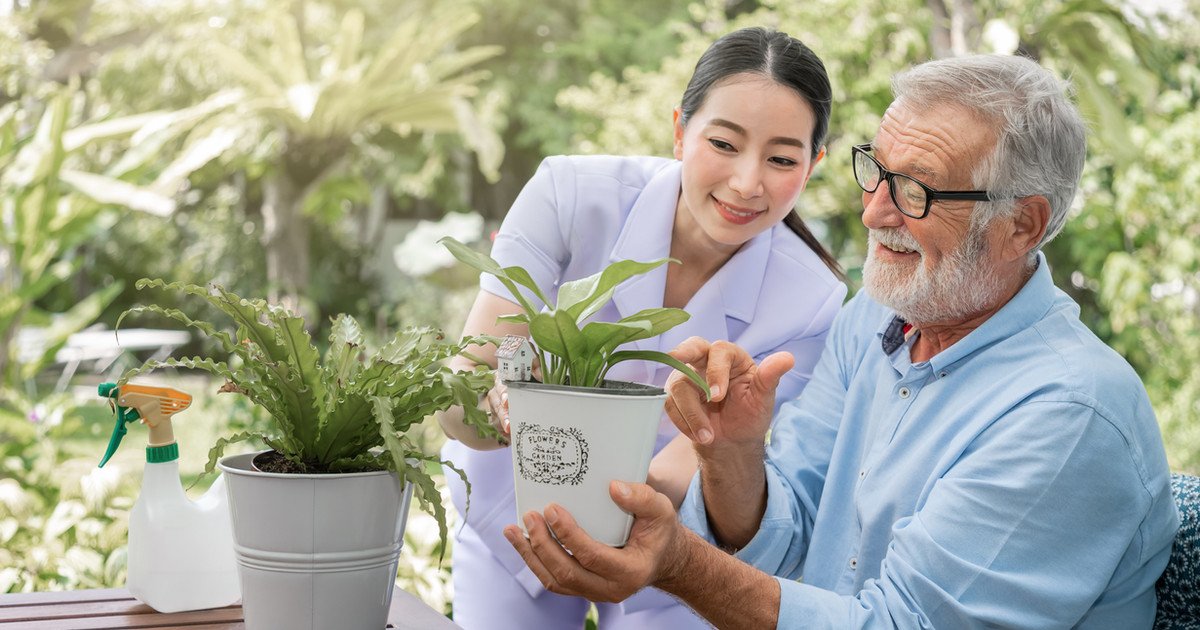
One of the hardest parts of living with persistent pain is not always the pain itself; it is what gradually disappears from your life because of it. You might stop gardening because bending feels uncomfortable. You may avoid long car trips because sitting too long makes you anxious. Perhaps you've stopped playing with your grandchildren because you're worried you'll pay for it later.
These decisions are understandable. When something hurts, avoiding it feels like the safest option. The difficulty is that the longer we avoid an activity, the more unfamiliar and intimidating it becomes. Over time, it is no longer just pain that keeps us from the things we enjoy; our confidence begins to disappear as well. Graded exposure is designed to help you rebuild that confidence safely and gradually.
Understanding the fear-avoidance cycle
Persistent pain can quietly change the way we think about movement. Imagine your shoulder becomes painful after hanging out the washing, so next time you ask someone else to do it. A few weeks later you notice you are also avoiding reaching into high cupboards. Before long, you are hesitant to carry shopping bags or throw a ball for your grandchildren. Without realising it, your world has become a little smaller.
This is known as the fear-avoidance cycle: pain leads us to avoid an activity, and avoiding it reduces both confidence and physical capacity, making the activity feel even harder the next time. Graded exposure helps gently reverse that cycle by replacing fear with successful experiences.
Rebuilding confidence one step at a time
Many people think rehabilitation means pushing themselves harder. In reality, successful rehabilitation usually begins by doing less than you think you can. If your goal is to spend an hour gardening, the first step might simply be walking into the garden each morning. A few days later you might water the plants. The following week you might spend five minutes pulling weeds before stopping. Each successful experience tells your brain and nervous system that the activity is safe, and as confidence grows, so does your willingness to take the next step. Progress is rarely built through one big effort; it is built through many small successes repeated consistently over time.
Learning from setbacks
Recovery is rarely a straight line. Some days you will feel stronger than others, and there will almost certainly be times when your symptoms increase after trying something new. Rather than seeing these as failures, try viewing them as feedback. Perhaps you attempted too much, progressed too quickly, or simply needed more recovery time afterwards. That information lets you adjust your plan without abandoning your goal. Successful rehabilitation is not about avoiding setbacks altogether. It is about continuing to move forward despite them.
Growing your world again
The real purpose of graded exposure is not simply to increase your activity level. It is to help you reclaim the parts of life that persistent pain has gradually taken away. Every activity you regain, whether it is walking your dog, travelling, gardening, cooking dinner, or playing with your grandchildren, represents far more than improved physical capacity. It represents growing confidence, greater independence, and a life increasingly shaped by your choices rather than by your pain.
Think of one activity you have quietly stopped doing. What would the very first, almost too-easy step back toward it look like, small enough that you feel confident you could do it?
KEY TAKEAWAY
Avoiding activities is a natural response to persistent pain but gradually reduces confidence and function. Graded exposure rebuilds confidence through small, achievable steps, with progress built on consistency rather than pushing through pain. Setbacks are feedback to learn from, not signs of failure.
Where to next
Book a Free Navigation Call
Explore Coaching
Clinician Consultation


Authour
Pain Education and Management (PEM)
Last Evidence Review
2 July 2026
Pain Pal provides educational support only and does not replace medical advice, diagnosis or treatment. Always consult your healthcare professional regarding your individual circumstances. In an emergency, call 000.