
Read Time (minutes)
5

Rediscovering Enjoyable Activities
Persistent pain often causes people to stop doing the activities they enjoy. Rediscovering meaningful, enjoyable activities, at a pace that suits you, can improve wellbeing, confidence, sleep and quality of life. Recreation is not just a reward after recovery; it can be part of recovery itself.
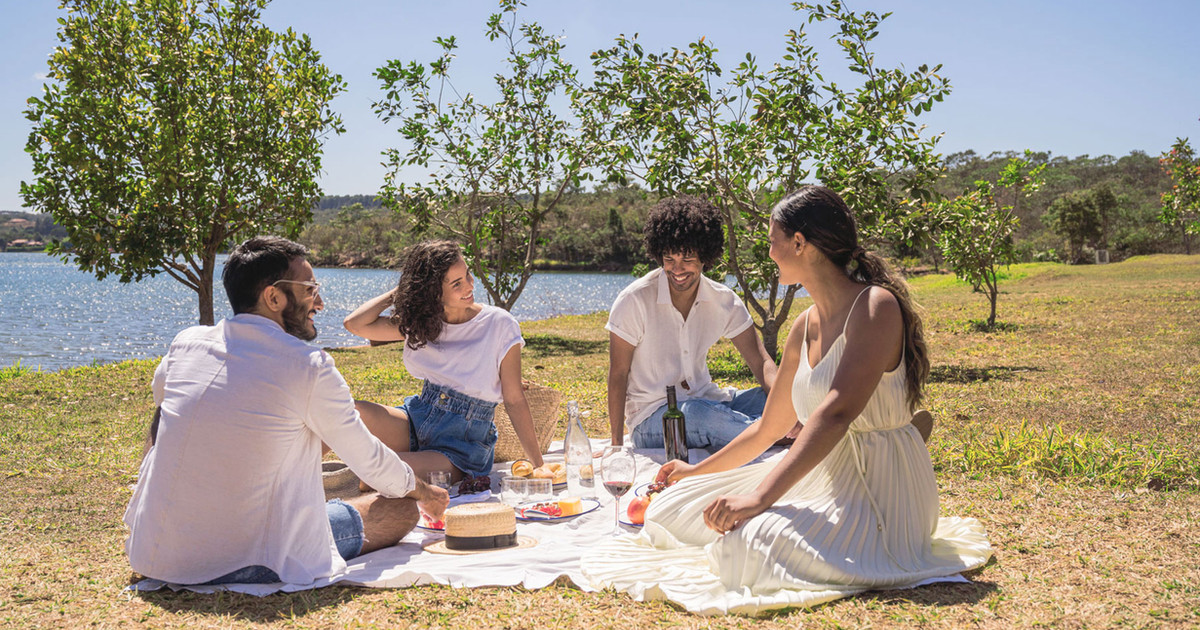
When pain becomes persistent, life often becomes smaller.
Activities that once brought enjoyment, purpose or connection may gradually fall away, sometimes because pain makes them difficult, sometimes because people worry about making pain worse, lose confidence, or stop believing the activities are possible. Over time this affects far more than physical health; it touches mood, sleep, relationships, confidence and overall quality of life. Rediscovering enjoyable activities is not about ignoring pain. It is about rebuilding the parts of life that pain may have taken away.
What therapeutic recreation means
Therapeutic recreation refers to activities that support health and wellbeing through enjoyment, creativity, movement and social connection. The activity itself matters less than the meaning it holds for you. For one person that might be gardening; for another, painting, fishing, walking the dog, playing music, photography, time with children or grandchildren. The goal is not performance. It is participation.
Why enjoyment matters
When you enjoy something, you tend to become less focused on pain and more engaged in the experience. Meaningful activities can:
● improve mood
● build confidence
● increase motivation
● encourage gentle movement
● strengthen social connections
● improve sleep
● provide a sense of purpose
These benefits often work together to support your overall wellbeing.
Starting small
One of the most common mistakes is trying to return to previous activity levels too quickly. Recovery rarely works that way. Instead, think about one small step: ten minutes in the garden, listening to music while sitting outside, meeting a friend for coffee, or trying a simple craft project. Small successes rebuild confidence and create momentum.
Finding activities that suit you
Not every activity needs to be physically demanding. Many enjoyable ones involve creativity, learning, connection or relaxation, such as art and craft, photography, cooking, reading, gardening, gentle yoga, tai chi, community groups, volunteering, music, or nature walks. The best activity is one that feels meaningful, enjoyable and realistic for where you are now.
Getting back to enjoyable activities is not about returning to the life you had before pain. It is about building a fulfilling life now, and as your confidence grows, you may find yourself gradually doing more of what matters most.
REFLECTION
What is one activity you used to enjoy and have let go of? What would a small, ten-minute version of it look like this week?
KEY TAKEAWAY
Enjoyable activities are part of living well with persistent pain, supporting mood, confidence, motivation and connection. Start small, focus on participation rather than performance, and let meaningful activity help build a life that is bigger than pain.
Where to next
Book a Free Navigation Call
Explore Coaching
Clinician Consultation


Authour
Pain Education and Management (PEM)
Last Evidence Review
1 July 2026
Pain Pal provides educational support only and does not replace medical advice, diagnosis or treatment. Always consult your healthcare professional regarding your individual circumstances. In an emergency, call 000.