
Read Time (minutes)
6

Spinal Cord Stimulation and Intrathecal Pain Pumps
Most people living with persistent pain will never require an implanted pain management device. However, for carefully selected individuals whose pain has not responded to other treatments, technologies such as spinal cord stimulation and intrathecal pain pumps may provide meaningful improvements in pain, function and quality of life. Understanding what these treatments involve can help you make informed decisions if they are ever discussed as part of your care.
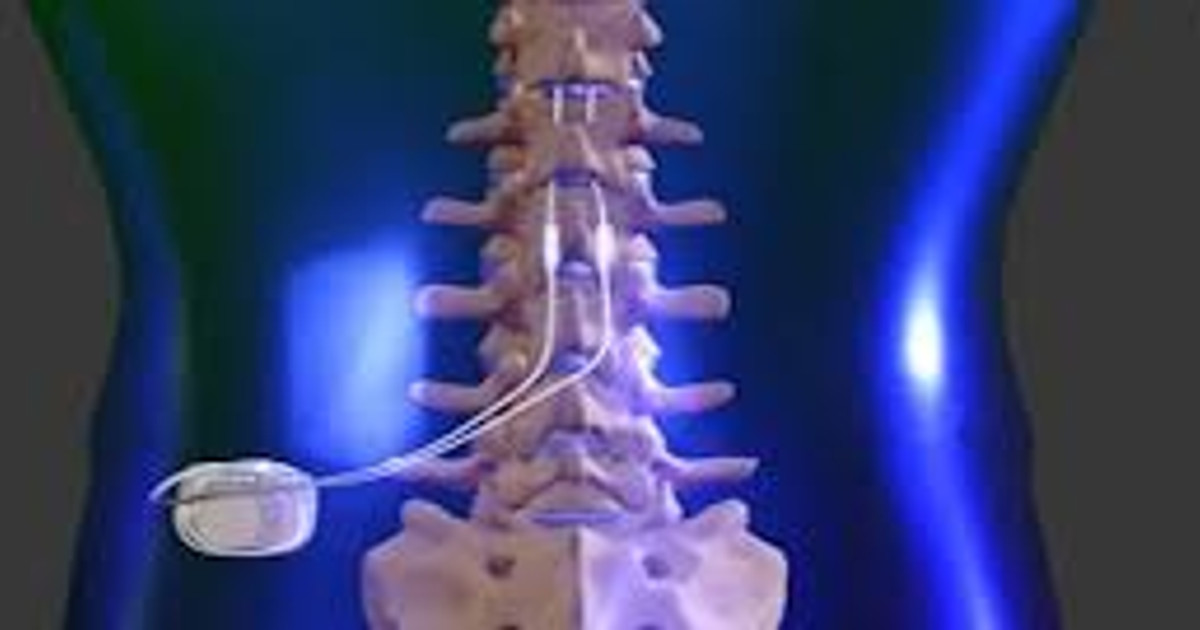
For most of this program, we have focused on treatments that help you build your own capacity to manage persistent pain: education, movement, medication, psychological strategies and rehabilitation. For many people, these approaches provide the foundation for long-term recovery. Occasionally, however, someone continues to experience severe pain despite receiving comprehensive care. It is in these situations that a pain specialist may discuss more advanced treatment options, including implanted medical devices. These treatments are not considered early options. They are reserved for carefully selected situations where other evidence-based approaches have not provided sufficient improvement.
What is spinal cord stimulation?
Spinal cord stimulation uses a small implanted device to deliver gentle electrical impulses to the spinal cord. These impulses change the way pain signals are processed before they reach the brain. The aim is not to remove the source of pain. Instead, the treatment attempts to reduce how intensely those pain signals are experienced. Many people describe the result as pain becoming less intrusive, allowing them to move more comfortably and take part more fully in daily life. Modern devices often produce little or no noticeable sensation while working, unlike earlier systems that created a tingling feeling.
Who might benefit?
Spinal cord stimulation is generally considered only after careful assessment by a multidisciplinary pain team. It may be recommended for some people experiencing persistent neuropathic pain, such as ongoing leg pain after spinal surgery, complex regional pain syndrome (CRPS), or other carefully selected nerve-related pain conditions. Not everyone is suitable; the type of pain, previous treatments, general health and personal goals all influence whether the procedure is likely to help. Importantly, people usually undergo a temporary trial before a permanent device is implanted. This allows both the patient and specialist to assess whether meaningful improvement has occurred before making a long-term commitment.
What is an intrathecal pain pump?
An intrathecal pain pump is another implanted device used in selected situations. Rather than stimulating nerves, it delivers very small amounts of medication directly into the fluid surrounding the spinal cord. Because the medication is delivered close to the nervous system, much smaller doses are often required than if the same medicine were taken by mouth, which may reduce some side effects while still providing pain relief. Like spinal cord stimulation, pain pumps are generally reserved for complex situations where other treatments have not achieved sufficient benefit.
Realistic expectations matter
These technologies can sound impressive, and they are. But they are not cures. Even when successful, most people continue to experience some pain. The goal is to improve quality of life by reducing pain enough to increase activity, improve sleep, support participation, and make rehabilitation easier. That is why specialists spend considerable time discussing expectations before proceeding. The most successful outcomes usually occur when people understand that the device is one component of a broader rehabilitation plan rather than a replacement for it.
Living with an implanted device
Receiving an implanted device also involves ongoing responsibility. Regular follow-up appointments are required to monitor the device, adjust settings, or refill medication pumps where appropriate. Some activities or medical investigations may require special precautions. Your pain specialist will explain these considerations before treatment and continue to support you afterwards. Although this may sound like a significant commitment, many people who benefit from these devices feel the improvements in function and quality of life make that commitment worthwhile.
A decision made together
Choosing to proceed with an implanted pain device is rarely a quick decision. It follows careful assessment, discussion and shared decision-making between you, your pain specialist, and often a broader multidisciplinary team. The decision considers more than your pain score. It considers your goals, your daily function, your previous treatments, your willingness to continue active rehabilitation, and your understanding of both the benefits and limitations of the procedure.
Looking beyond the device
Whether or not an implanted device becomes part of your treatment, one principle remains unchanged: recovery continues to depend on what you do every day, movement, sleep, physical conditioning, healthy routines and meaningful activity. The device may reduce one barrier. Your ongoing rehabilitation is what helps you rebuild your life beyond it.
These devices aim to make pain less intrusive so you can do more, not to remove it entirely. If pain became more manageable but did not disappear, what would you most want to rebuild in your daily life?
KEY TAKEAWAY
Spinal cord stimulation and intrathecal pain pumps are advanced treatments for carefully selected people whose pain has not responded to other approaches. They aim to improve function and quality of life rather than eliminate pain, involve extensive assessment and usually a trial period, and depend on ongoing rehabilitation for long-term success.
Where to next
Book a Free Navigation Call
Explore Coaching
Clinician Consultation


Authour
Pain Education and Management (PEM)
Last Evidence Review
2 July 2026
Pain Pal provides educational support only and does not replace medical advice, diagnosis or treatment. Always consult your healthcare professional regarding your individual circumstances. In an emergency, call 000.