
Read Time (minutes)
5

Stretching for Comfort and Confidence
Many people living with persistent pain notice their body feels stiff, tight or hard to move, particularly after sitting for long periods or first thing in the morning. Gentle stretching can help restore comfortable movement, reduce muscle tension and improve confidence, making everyday activities easier and preparing your body for other forms of exercise.
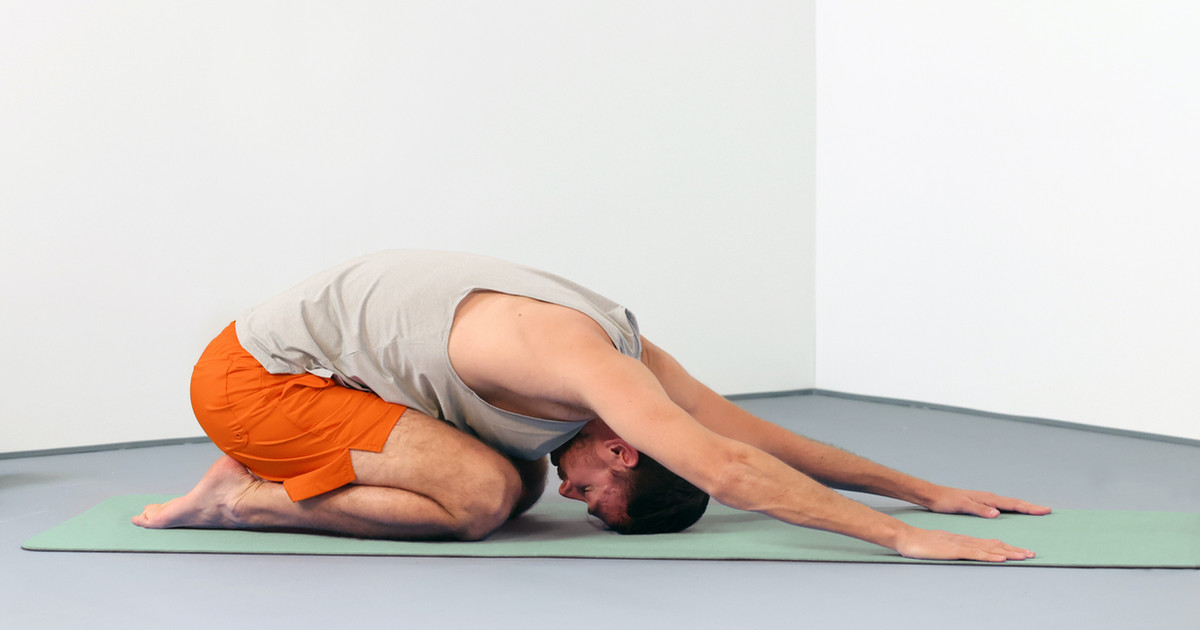
Have you ever stood up after sitting for a while and felt as though your body had suddenly aged twenty years? Your back feels tight, your hips seem reluctant to move, and those first few steps are stiff and uncomfortable. After a few minutes of moving around, however, things begin to loosen and walking becomes easier.
For many people living with persistent pain, this pattern becomes part of everyday life. It is easy to assume stiffness means your body is becoming damaged or worn out. More often, though, stiffness reflects the way pain changes how we move. When an area hurts, we naturally begin protecting it: muscles tighten, movements become smaller, and over time the body becomes less accustomed to moving freely. Stretching helps interrupt that cycle.
Stretching is about movement, not flexibility
When people hear the word stretching, they often imagine touching their toes or twisting into complicated yoga poses. That is not the goal. Stretching is not about becoming unusually flexible. It is about helping your body move comfortably through the movements everyday life asks of it: reaching into a cupboard, turning to reverse the car, bending to tie your shoes, getting out of bed in the morning. When muscles and joints move more freely, these everyday activities often require less effort and feel less intimidating. Stretching is not about doing extraordinary movements. It is about making ordinary movements easier.
Teaching your body that movement is safe
One of the less obvious benefits of stretching has little to do with muscles. It has to do with your nervous system. Persistent pain often makes us move cautiously: we brace before bending, avoid turning in certain directions, or stop moving long before we have reached our actual limit. Gentle stretching provides an opportunity to explore movement in a calm, controlled way. As you breathe slowly and let your body relax into comfortable movement, your nervous system receives repeated messages that these movements can be safe. Over time, this can reduce the protective muscle guarding that commonly develops with persistent pain. You are not forcing your body to move. You are gradually rebuilding trust in its ability to move.
Less can often achieve more
One of the biggest misconceptions about stretching is that it needs to hurt to be effective. In reality, aggressive stretching often causes muscles to tighten further as the body tries to protect itself. Gentle stretching is usually much more effective; you should feel a comfortable sense of tension, not sharp pain or the feeling that you are forcing your body beyond its limits. The aim is not to see how far you can stretch. It is to help your body become more comfortable with movement, and, as with many aspects of rehabilitation, consistency matters far more than intensity. A few minutes of gentle stretching most days usually achieves far more than one long session every few weeks.
Making stretching part of everyday life
Stretching does not have to become another task on your list. Many people find it naturally fits into moments that already exist in their day: a few gentle stretches after getting out of bed, stretching while the kettle boils, loosening stiff muscles after a walk, or taking a few minutes to unwind before bed. These small routines become opportunities to reconnect with your body in a positive way. Over time, they often become less about stretching itself and more about maintaining the confidence to keep moving well.
Movement creates opportunity
Stretching will not eliminate persistent pain on its own; it is not designed to. Its value lies in preparing your body for everything else you want to do. When movement feels easier, walking becomes more comfortable, strengthening exercises become more achievable, and everyday tasks require less effort. The real purpose of stretching is not to become more flexible. It is to help you move through life with greater comfort, confidence and freedom.
Is there a moment already in your day, the kettle boiling, an ad break, waking up, where a couple of minutes of gentle stretching could slot in naturally, without becoming another task?
KEY TAKEAWAY
Stretching helps reduce muscle tension and restore comfortable movement, aiming not at exceptional flexibility but at making everyday activities easier. Gentle, regular stretching works better than aggressive stretching, can rebuild movement confidence and reduce protective guarding, and consistency matters more than intensity.
Where to next
Book a Free Navigation Call
Explore Coaching
Clinician Consultation


Authour
Pain Education and Management (PEM)
Last Evidence Review
2 July 2026
Pain Pal provides educational support only and does not replace medical advice, diagnosis or treatment. Always consult your healthcare professional regarding your individual circumstances. In an emergency, call 000.