
Read Time (minutes)
5

Understanding Central Sensitisation
Pain can continue after an injury has healed, even when scans look normal. This article explains central sensitisation of nociception in plain language, why it does not mean pain is imagined, and how education, movement, sleep and stress management can help the nervous system become less sensitive over time.
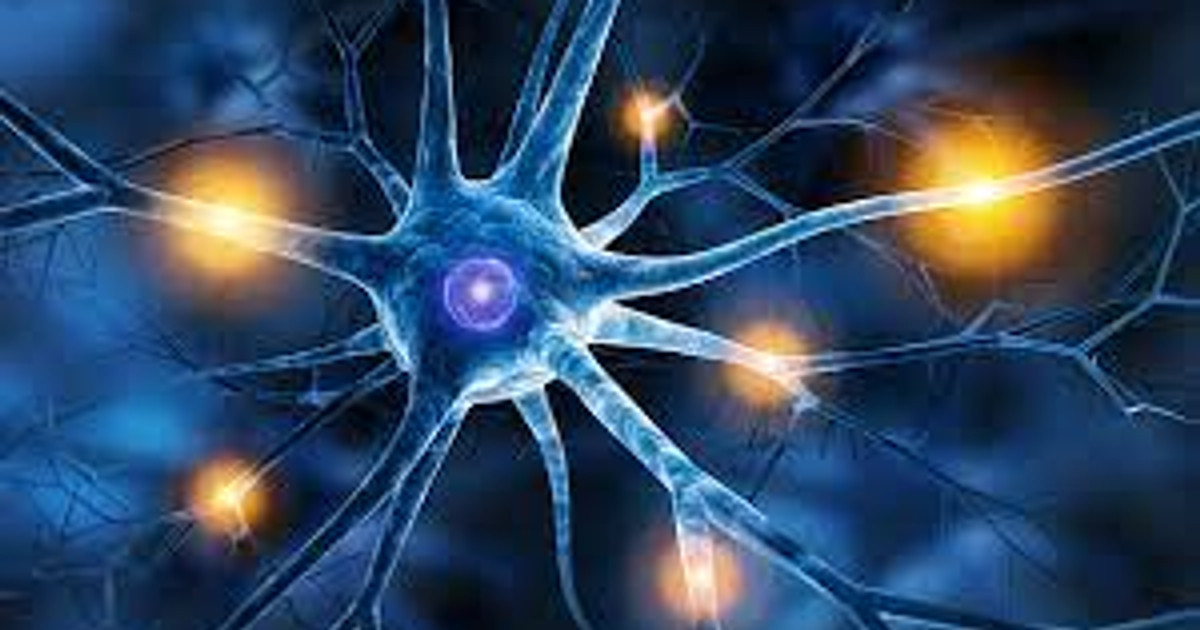
Persistent pain is not always linked to ongoing tissue damage. Sometimes the nervous system itself becomes more responsive, so that stimuli that are not noxious can be followed by pain. This process, known as central sensitisation of nociception, may help explain why pain can persist after an injury has healed, and why recovery needs to focus on calming the nervous system as well as on restoring movement and function.
Many people experiencing persistent pain ask: if my scans look normal, why do I still hurt? One possible explanation is a process called central sensitisation of nociception.
This happens when the nervous system becomes increasingly reactive over time. Rather than responding only to actual harm, it begins reacting more strongly to everyday stimuli that are not noxious. This does not mean the pain is imaginary. The pain is very real. It means the nervous system has become oversensitive
The “alarm” picture and its limits
Pain is often described as an “alarm” that goes off when the body is harmed and settles once an injury heals. In persistent pain, the “alarm” can seem to stay switched on after the original stimulus has reduced or gone. This picture is a simplification: pain is not a device with a job to do. What changes is how the nervous system responds, so everyday activities such as walking, bending or sitting may be accompanied by pain even though they are not causing damage.
Why does this happen?
There is rarely one single cause, and researchers are still working out how sensitisation develops. Factors commonly associated with it include:
persistent activation of nociceptive pathways
stress
poor sleep
emotional distress
previous injuries or illness
Each of these factors may contribute to a more sensitive nervous system.
The good news
The nervous system is adaptable. Just as it became more sensitive, it can become less sensitive. This is why modern pain management focuses on helping the nervous system return to normal functioning through pain education, gradual movement, better sleep, stress management, healthy lifestyle habits, psychological strategies and taking part in meaningful activities.
Recovery takes time
Reducing nervous system sensitivity is usually gradual; there is rarely one treatment that switches pain off overnight. Instead, recovery comes through many small improvements that accumulate: every walk, every good night's sleep, every successful rehabilitation session, every time you become a little more confident. Together, these experiences help calm the nervous system and support long-term recovery.
Does knowing that a sensitised nervous system, rather than ongoing tissue damage, could be what's driving your pain, change how you feel about moving? Sometimes that understanding is what makes taking the first step feel safer.
KEY TAKEAWAY
Persistent pain may continue because the nervous system has become more sensitive, and this sensitisation does not mean the pain is imagined. The nervous system is adaptable and can become less sensitive over time, helped by education, movement, sleep and self-management, gradually, through many positive experiences.
Where to next
Book a Free Navigation Call
Explore Coaching
Clinician Consultation


Authour
Pain Education and Management (PEM), with expert review by Dr Milton Cohen and Dr John Quintner
Last Evidence Review
26 September 2026
Pain Pal provides educational support only and does not replace medical advice, diagnosis or treatment. Always consult your healthcare professional regarding your individual circumstances. In an emergency, call 000.