
Read Time (minutes)
5

Understanding Dietary Supplements
Many people living with persistent pain consider dietary supplements to improve their symptoms. Some supplements may benefit certain individuals, but most are not a substitute for a healthy diet. Understanding the evidence can help you make informed decisions and avoid unnecessary cost or potential harm.
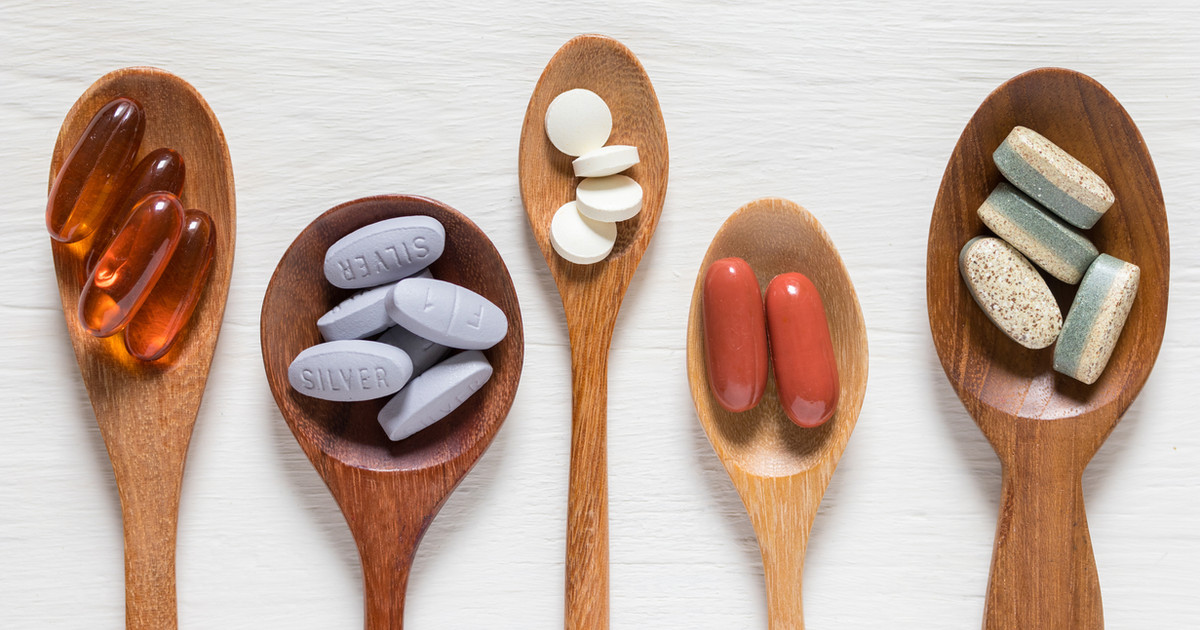
Dietary supplements are widely promoted for pain, inflammation and general wellbeing, with common products including vitamins, minerals, fish oil, turmeric, magnesium, glucosamine and herbal preparations.
Some supplements have been studied in persistent pain and related conditions, but the evidence varies considerably. For most people, supplements should complement, not replace, a healthy, balanced diet.
Food first
Whole foods provide a complex combination of nutrients that work together to support health. Fruit, vegetables, wholegrains, legumes, dairy foods, lean proteins and healthy fats contain vitamins, minerals, fibre and other beneficial compounds that a single tablet cannot replicate. This is why healthy eating should remain the foundation of good nutrition, with supplements generally considered only when needs cannot be met through food alone, or when a specific deficiency has been identified.
Common supplements
Several supplements are commonly discussed in relation to persistent pain, including fish oil (omega-3 fatty acids), vitamin D, magnesium, turmeric (curcumin), glucosamine, calcium and probiotics. The evidence supporting these varies depending on the individual, the condition, and the quality of the research. Some people may benefit; others notice little or no improvement.
More is not always better
It is easy to assume that supplements are completely safe because they are available without a prescription. But supplements can interact with prescription medicines, cause unwanted side effects, affect blood clotting, influence blood pressure, and be unsuitable for some medical conditions. Taking large doses without professional advice may increase the risk of harm rather than benefit.
Talk with your healthcare team
If you are considering a supplement, discuss it with your GP, pharmacist or Accredited Practising Dietitian. They can help determine whether it is appropriate, whether there is good evidence to support its use, whether it may interact with your medicines, and whether testing for a nutritional deficiency is recommended. This helps ensure supplements are used safely and effectively.
Making informed decisions
Nutrition research changes over time. Be cautious of products promising rapid pain relief or claiming to cure persistent pain; reliable recommendations rest on high-quality scientific evidence rather than marketing or personal testimonials. Remember that supplements are only one small part of a comprehensive pain management plan.
If you currently take a supplement, or are thinking about one, do you know what the evidence for it actually is? That is a worthwhile question to raise with your pharmacist or GP.
KEY TAKEAWAY
Healthy eating should be the foundation of good nutrition, with supplements as a possible complement rather than a cure. Evidence varies, some supplements interact with medicines or cause side effects, so always discuss them with your healthcare team before starting.
Where to next
Book a Free Navigation Call
Explore Coaching
Clinician Consultation


Authour
Pain Education and Management (PEM)
Last Evidence Review
2 July 2026
Pain Pal provides educational support only and does not replace medical advice, diagnosis or treatment. Always consult your healthcare professional regarding your individual circumstances. In an emergency, call 000.