
Read Time (minutes)
5

Understanding Manual Therapy
Manual therapy includes hands-on techniques used by physiotherapists and other trained health professionals to help reduce pain, improve movement and support rehabilitation. It can provide short-term symptom relief, but the best long-term outcomes come when manual therapy is combined with active rehabilitation and self-management.
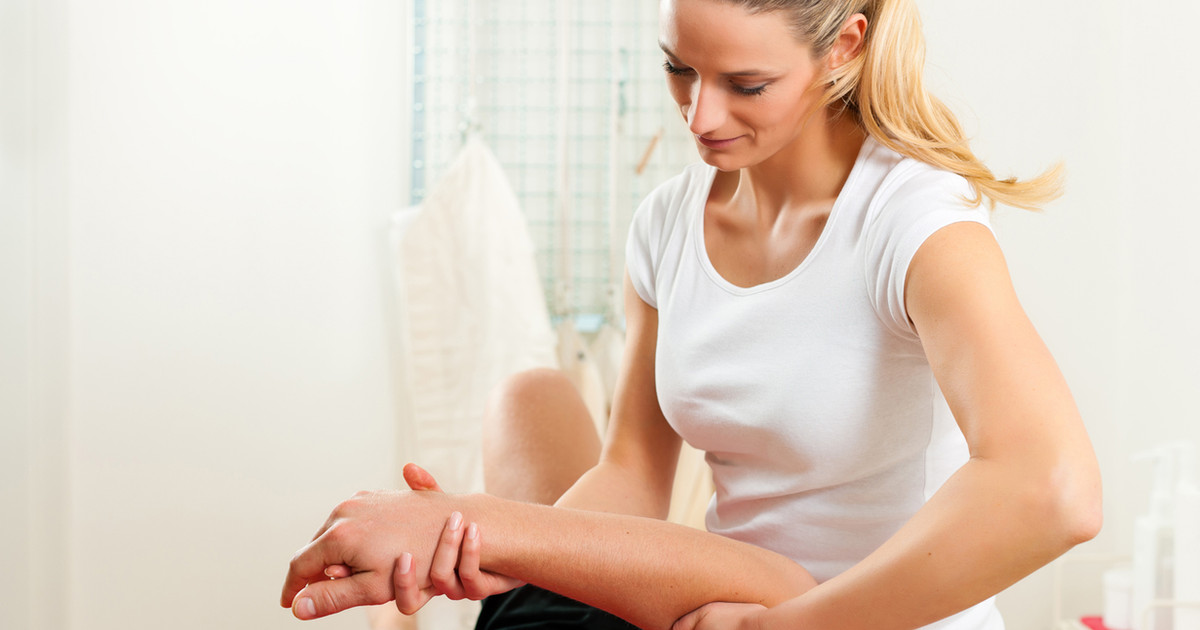
Many people associate physiotherapy with hands-on treatment. This approach, known as manual therapy, includes a range of techniques performed by trained health professionals to help improve movement, reduce pain, and prepare the body for rehabilitation.
Manual therapy can be a valuable part of treatment, but it is rarely the complete solution on its own. The greatest long-term improvements usually come when hands-on treatment is combined with movement, exercise and active self-management.
What manual therapy is
Manual therapy refers to skilled hands-on techniques that may include joint mobilisation, soft tissue techniques, massage, stretching and movement-assisted techniques. The exact approach depends on your condition, your goals and your physiotherapist's clinical assessment, and treatment is always tailored to your individual needs.
How manual therapy can help
For some people, manual therapy may help reduce pain, improve joint movement, decrease muscle tension, improve flexibility, make movement feel easier, and increase the confidence to begin exercising. These effects can create an opportunity to take part more comfortably in rehabilitation.
It is not about “putting things back into place”
Many people worry that their body is "out of alignment," or that joints need to be "put back." Current evidence suggests these explanations often oversimplify how the body works. Instead, manual therapy is thought to work by reducing muscle guarding, improving movement, influencing the nervous system, and helping people move with greater confidence. The goal is to support your body's natural ability to move and recover, not to permanently "fix" one structure.
Active rehabilitation remains the priority
Manual therapy often provides the greatest benefit when it supports active rehabilitation. A treatment session may help you move more comfortably, allowing you to complete your exercise program, improve your walking, practise everyday movements, and build confidence in activity. These active strategies are what create lasting improvements over time.
Working together for long-term recovery
Your physiotherapist will recommend the combination of treatments most appropriate for your situation. For some people, manual therapy may play only a small role; for others, it may provide useful short-term relief that supports participation in rehabilitation. The focus should always remain on helping you become stronger, more confident and more independent over time.
If you have had hands-on treatment before, did it help most when it stood alone, or when it made it easier to move and exercise afterwards? That is a clue to how best to use it.
KEY TAKEAWAY
Manual therapy can help reduce pain and improve movement for some people, and works best combined with exercise and active rehabilitation. It supports recovery but is rarely a long-term solution on its own; modern rehabilitation keeps active participation as the foundation of lasting recovery.
Where to next
Book a Free Navigation Call
Explore Coaching
Clinician Consultation


Authour
Pain Education and Management (PEM)
Last Evidence Review
2 July 2026
Pain Pal provides educational support only and does not replace medical advice, diagnosis or treatment. Always consult your healthcare professional regarding your individual circumstances. In an emergency, call 000.