
Read Time (minutes)
5

Understanding Osteopathy
Osteopathy is a hands-on healthcare profession that focuses on improving movement, reducing pain and restoring function. Rather than treating a single painful body part in isolation, osteopaths consider how the body works as a connected system. For many people with persistent musculoskeletal pain, osteopathy can provide short-term symptom relief while supporting a broader active rehabilitation program.
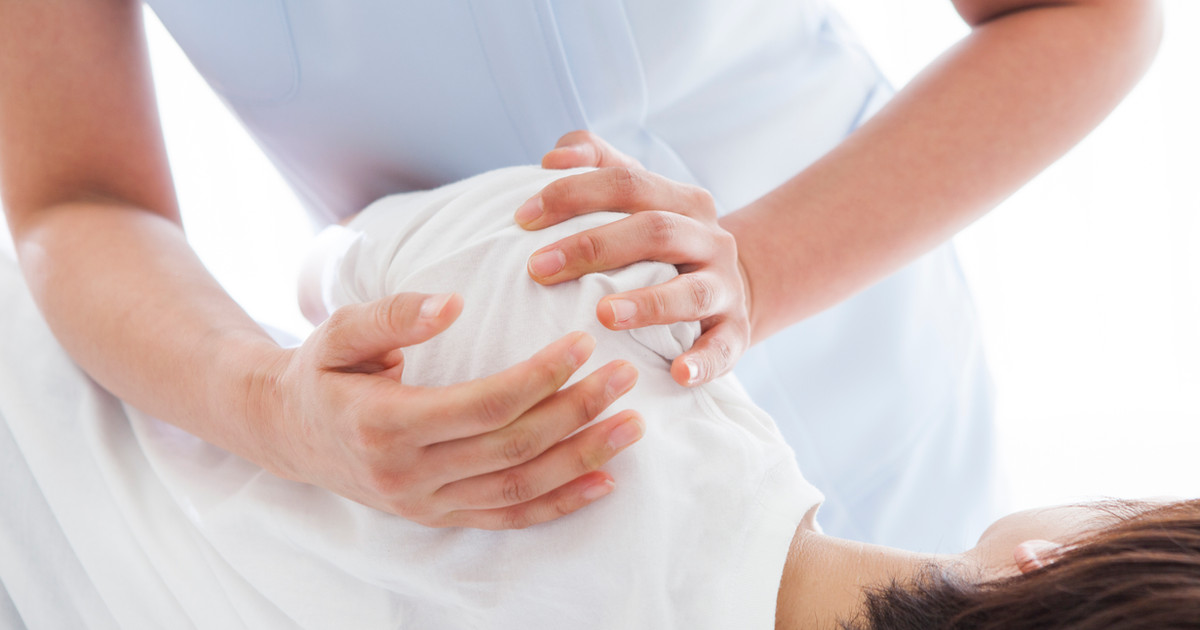
When people first visit an osteopath, they are sometimes surprised by the assessment. You may have booked an appointment because your lower back hurts, yet the osteopath spends time looking at the way you walk, how your hips move, or how your upper back rotates. At first this can seem unrelated to the problem you came to solve.
In reality, it reflects one of the central ideas of osteopathy: that the body functions as an integrated system, where changes in one area can influence movement and loading elsewhere. That does not mean every painful condition has a hidden cause somewhere else in the body. Rather, it recognises that improving the way the whole body moves can often reduce unnecessary strain on the area that hurts.
What an osteopath does
Osteopaths are university-trained healthcare professionals who assess and treat conditions affecting muscles, joints, ligaments and other soft tissues. Treatment often combines careful assessment with hands-on techniques designed to improve movement and reduce discomfort, which may include soft tissue massage, stretching, gentle joint mobilisation or, in some cases, spinal manipulation. Most osteopaths also provide advice about posture, exercise, pacing and self-management, because they understand that lasting improvement depends on much more than hands-on treatment alone. In Australia, osteopaths are registered with the Australian Health Practitioner Regulation Agency (AHPRA), providing reassurance that they meet nationally recognised education and professional standards.
Where osteopathy fits
The strongest evidence for osteopathy is in the management of common musculoskeletal conditions. People experiencing persistent low back pain, neck pain and some types of headache may experience worthwhile improvements in pain and function following treatment, and for these conditions research suggests osteopathy performs similarly to several other forms of manual therapy.
That is an important point. Osteopathy is not considered superior to physiotherapy or other evidence-based musculoskeletal care. Instead, it is another appropriate option that may suit some people better than others depending on their preferences, previous experiences and treatment goals. Choosing between these professions is often less important than choosing a practitioner who listens carefully, performs a thorough assessment, and encourages you to play an active role in your recovery.
Hands-on treatment has a role
Many people find that manual therapy provides welcome relief: muscles relax, movement feels easier, and pain becomes less intrusive. These are genuine benefits. It is equally important, though, to understand what hands-on treatment can and cannot achieve. While treatment may reduce pain and stiffness for a period, those improvements are usually most meaningful when they create an opportunity to become more active, perhaps completing your exercise program more comfortably, walking more easily, or sleeping better afterwards. These opportunities are where long-term recovery begins. Hands-on treatment opens the door; active rehabilitation helps you walk through it.
Choosing the right practitioner
Not every osteopath practises in exactly the same way. Some focus more heavily on manual therapy, while others place greater emphasis on exercise prescription, education and self-management. Neither approach is necessarily right or wrong, but contemporary pain management generally works best when these elements are combined. Asking questions before or during treatment is entirely appropriate: how will this treatment help me? What can I do between appointments? How will we know if this is working? Good practitioners welcome these conversations, because they see rehabilitation as a partnership rather than something simply done to you.
One part of a bigger plan
Osteopathy does not replace exercise, good sleep, healthy eating, or understanding how persistent pain works. Instead, it can complement these strategies. For some people it provides enough symptom relief to make movement easier; for others it helps restore confidence after a flare-up; for many, it becomes one useful piece of a much larger rehabilitation plan. That is probably the most realistic way to think about it: not as a cure for persistent pain, but as another tool that may help you move more comfortably while you continue building the strength, confidence and habits that support long-term recovery.
If you tried hands-on treatment, how could you use the window of easier movement it creates, a walk, your exercises, a task you have been avoiding, rather than letting it pass?
KEY TAKEAWAY
Osteopathy is an evidence-based profession focused on musculoskeletal health, with the strongest evidence for persistent back pain, neck pain and some headaches. It is not superior to physiotherapy but another appropriate option, and it works best combined with active rehabilitation and a practitioner who supports education and exercise.
Where to next
Book a Free Navigation Call
Explore Coaching
Clinician Consultation


Authour
Pain Education and Management (PEM)
Last Evidence Review
2 July 2026
Pain Pal provides educational support only and does not replace medical advice, diagnosis or treatment. Always consult your healthcare professional regarding your individual circumstances. In an emergency, call 000.