
Read Time (minutes)
5

Pain is a whole-person experience
Recognising the role of thoughts and emotions in pain does not mean it is "all in your head". This article explains how emotions, stress, sleep and relationships can shape a pain-experience, and why a whole-person approach opens up more ways to reduce pain's impact on daily life.
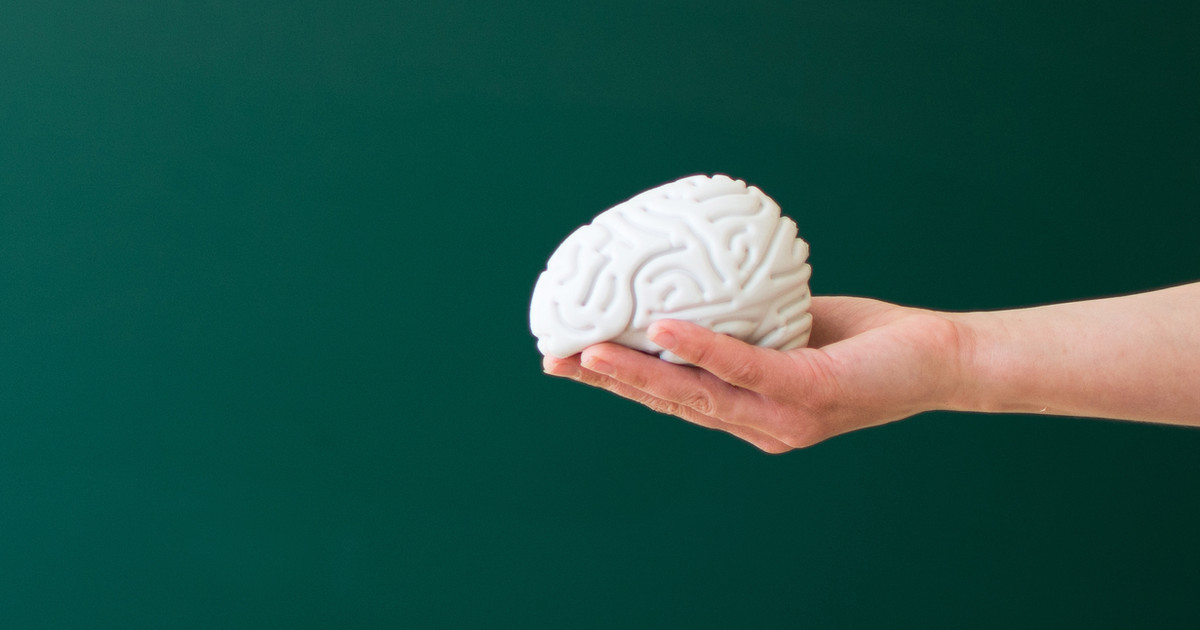
When people hear the words “mind–body connection,” they sometimes worry it means someone is suggesting their pain is “all in their head.” Nothing could be further from the truth. Persistent pain is real.
Modern pain science describes pain as an experience of the whole person, not something the brain produces on its own. Many things can shape a pain-experience: nociceptive information from the body, emotions, stress levels, past experiences, beliefs, sleep, relationships and your surroundings. This is encouraging, because it means there are many different points at which a pain-experience can be influenced.
Persistent pain can affect almost every part of life. Many people also experience:
frustration
anxiety
low mood
fatigue
difficulty concentrating
reduced confidence
changes in relationships
loss of independence
These reactions are not signs of weakness. They are normal human responses to living with an ongoing medical condition that affects daily life.
Emotional wellbeing can influence pain
The relationship also runs the other way. Stress, anxiety, poor sleep and emotional distress can heighten the sensitivity of the nervous system, making pain feel more intense and harder to manage. On the flip side, feeling calm, supported, confident and engaged in meaningful activities can ease stress responses and lessen pain’s impact.
This does not mean emotions cause persistent pain. It means that emotions are one of many factors that can shape a pain-experience.
A two-way relationship
Persistent pain and psychological wellbeing continually shape each other. Pain can contribute to emotional distress, and emotional distress can increase pain intensity. That cycle can feel overwhelming, but it also works in the other direction: as you improve sleep, reduce stress, increase activity, build confidence and develop self-management skills, you help calm the nervous system and reduce the impact of pain on your life.
A whole-person approach
Because so many factors feed into persistent pain, effective management usually involves more than one treatment: education about pain, movement and exercise, medication where appropriate, sleep management, psychological strategies, relaxation, social connection and active self-management. These work together, each contributing something different, and together they tend to produce better long-term outcomes than any single treatment alone.
Other topics in this area explore practical ways to work with the mind–body connection: how stress affects the nervous system, why grief and loss are common, how thoughts and behaviours shape recovery, and the strategies that help you build resilience and regain confidence.
Beyond the physical, in what one way has persistent pain affected your life most: mood, sleep, confidence or relationships? Naming it is the first step to addressing it.
KEY TAKEAWAY
Persistent pain is real and is shaped by biological, psychological and social factors acting together. Recognising the role of thoughts and emotions does not mean the pain is imagined; it means caring for both your physical and emotional wellbeing opens up more ways to reduce pain’s impact.
Where to next
Book a Free Navigation Call
Explore Coaching
Clinician Consultation


Authour
Pain Education and Management (PEM), with expert review by Dr Milton Cohen and Dr John Quintner
Last Evidence Review
2 July 2026
Pain Pal provides educational support only and does not replace medical advice, diagnosis or treatment. Always consult your healthcare professional regarding your individual circumstances. In an emergency, call 000.