
Read Time (minutes)
5

Using Medicines Safely
All medicines have potential benefits and risks. Understanding how to use medicines safely, recognise side effects, and know when to seek advice can help you get the most from your treatment while reducing the risk of harm.
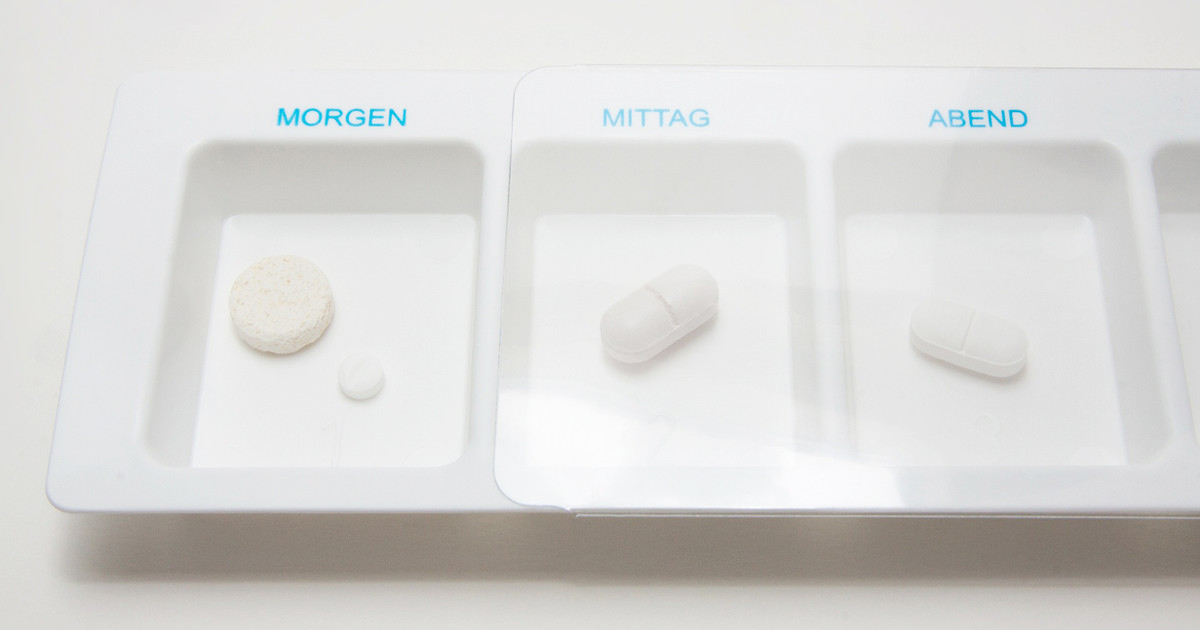
Medicines have an important role in managing persistent pain, but like any treatment, they need to be used safely.
Every medicine can cause side effects, interact with other medicines, or become less effective over time. Understanding this is not a reason to worry about taking them. It simply helps you notice when something is not quite right and know when to ask for advice. Safe use is about balancing benefit and risk while making sure your medicines keep helping you toward your goals.
Understanding side effects
Most medicines have possible side effects. Some are mild and settle as your body adjusts; others may mean a medicine needs reviewing or changing. Common ones include:
● drowsiness
● dizziness
● constipation
● nausea
● dry mouth
● reduced concentration
Having a side effect does not automatically mean a medicine must stop. But do raise any concerns with your team, especially if a side effect is affecting your daily activities or quality of life.
Medicine interactions
Medicines can interact with one another, and also with over-the-counter medicines, herbal products, vitamins and supplements. Some combinations raise the risk of side effects; others reduce how well a medicine works.
That is why everyone involved in your care needs to know everything you take. And never assume a product is completely safe just because you can buy it without a prescription.
Taking medicines as prescribed
Medicines work best when taken as directed. Changing doses, skipping them, or stopping suddenly can reduce how well they work and, in some cases, cause withdrawal symptoms or other problems.
If a medicine no longer seems to help, or is causing troublesome side effects, talk to your GP or pharmacist before making changes. Many medicines can be adjusted safely, but it should happen with professional guidance.
Safe storage
Store medicines safely. Keep them in their original packaging unless your pharmacist suggests an alternative such as a dose administration aid, a container that organises doses by day and time. Keep them out of reach of children and pets, and do not share prescription medicines with anyone else, even someone with similar symptoms. Return expired or unused medicines to your pharmacy for safe disposal.
When medicines should be reviewed
Your medication needs change over time. A medicine that suited you several years ago may no longer give the same benefit today. Regular reviews help make sure your medicines still support your goals, still provide meaningful benefit, keep side effects to a minimum, and remain appropriate as your health changes.
Reviewing medicines is a normal part of good healthcare, not a sign that something has gone wrong. Other articles in this area look at how medication plans are built around your individual goals and lifestyle.
REFLECTION
Could you list every medicine, supplement and over-the-counter product you currently take from memory? If not, writing that list is a simple, powerful safety step.
KEY TAKEAWAY
All medicines carry benefits and risks. Using them safely means taking them as prescribed, watching for side effects and interactions, storing them properly, and reviewing them regularly, all as a shared responsibility between you and your healthcare team.
Where to next
Book a Free Navigation Call
Explore Coaching
Clinician Consultation


Authour
Pain Education and Management (PEM)
Last Evidence Review
2 July 2026
Pain Pal provides educational support only and does not replace medical advice, diagnosis or treatment. Always consult your healthcare professional regarding your individual circumstances. In an emergency, call 000.