
Read Time (minutes)
5

Why Movement Is the Answer
Worry about moving is common when pain persists. This article explains why gradual, well-planned movement is one of the most effective treatments for persistent pain, how it can rebuild strength and confidence, and how to find a pace that avoids both flare-ups and further deconditioning.
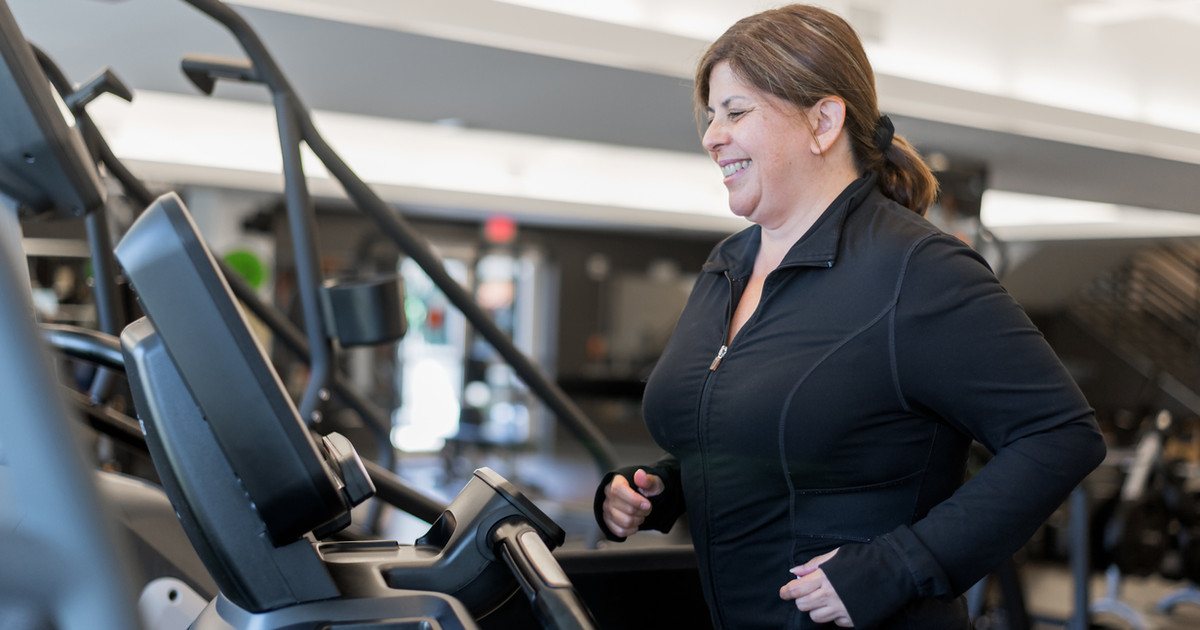
When pain persists, it is natural to believe that movement is causing harm. Many people start avoiding activities because they expect pain to increase, or worry they may cause further damage. Understandable as this is, avoiding movement for long periods often adds to a person's disability
For most people experiencing persistent pain, carefully planned movement is one of the most effective treatments available. It means building activity gradually, without pushing through pain, so that you can regain strength and confidence.
It’s normal to be nervous about moving again
Many people lose confidence in their body after months or years of pain. You may find yourself asking: What if I make it worse? What if I’ve damaged something? Should I just rest until it settles? These concerns are completely understandable.
The good news is that, for most persistent pain conditions, gradual movement is both safe and beneficial. Confidence is rebuilt through experience, not by waiting until fear disappears, and each successful movement shows that your body may be more capable than you expected.
Movement and the nervous system
In some people, persistent pain is accompanied by a more sensitive nervous system (see Understanding Central Sensitisation, MOV-008). Regular, gentle movement is associated with reduced nervous system sensitivity over time. Practised consistently, it can also build confidence in movement, ease worry about increasing your activity and help restore more usual movement patterns.
Movement strengthens the whole body
Regular movement also helps reverse many of the physical effects of persistent pain, improving muscle strength, flexibility, cardiovascular fitness, joint mobility, balance and coordination. As your body becomes stronger and more capable, everyday activities usually become easier.
Finding the right balance
Recovery is rarely about doing as much as possible. Doing too much too soon may trigger a flare-up; doing too little lets deconditioning continue. The goal is to find a starting point that feels manageable, then increase activity gradually, an approach often called graded activity or graded reconditioning. Success is measured not by how hard you work, but by your ability to build consistency over time.
Progress is built one step at a time
Some discomfort during rehabilitation is normal; your body is adapting to doing more than it has become used to. A temporary increase in symptoms does not automatically mean you have caused damage. Learning to tell the difference between expected discomfort and signs to slow down is an important part of recovery, and your physiotherapist or Accredited Exercise Physiologist can help you find the right pace.
Every movement counts
Recovery is not built from one big effort. It comes from hundreds of small successes: each walk, each exercise session, each time you choose movement instead of avoidance. These experiences gradually build your confidence that everyday movement is safe, and help you become stronger and more independent.
What is one small, manageable movement you could do today, not to push through pain, but to build a little more confidence that this activity is safe for you?
KEY TAKEAWAY
Movement is one of the most effective treatments for persistent pain. Worry about moving is common and can ease gradually. Gentle, progressive movement can help reduce nervous system sensitivity, and consistency matters more than intensity. Confidence grows through repeated positive experiences.
Where to next
Book a Free Navigation Call
Explore Coaching
Clinician Consultation


Authour
Pain Education and Management (PEM), with expert review by Dr Milton Cohen and Dr John Quintner.
Last Evidence Review
26 September 2026
Pain Pal provides educational support only and does not replace medical advice, diagnosis or treatment. Always consult your healthcare professional regarding your individual circumstances. In an emergency, call 000.