
Read Time (minutes)
5

Working Smarter: Body Mechanics and Ergonomics
The way you sit, stand, lift and move through the day can have a real impact on how your body feels. Good body mechanics and ergonomics are not about finding the "perfect posture" — they are about reducing unnecessary strain, working more efficiently, and making everyday activities easier to manage.
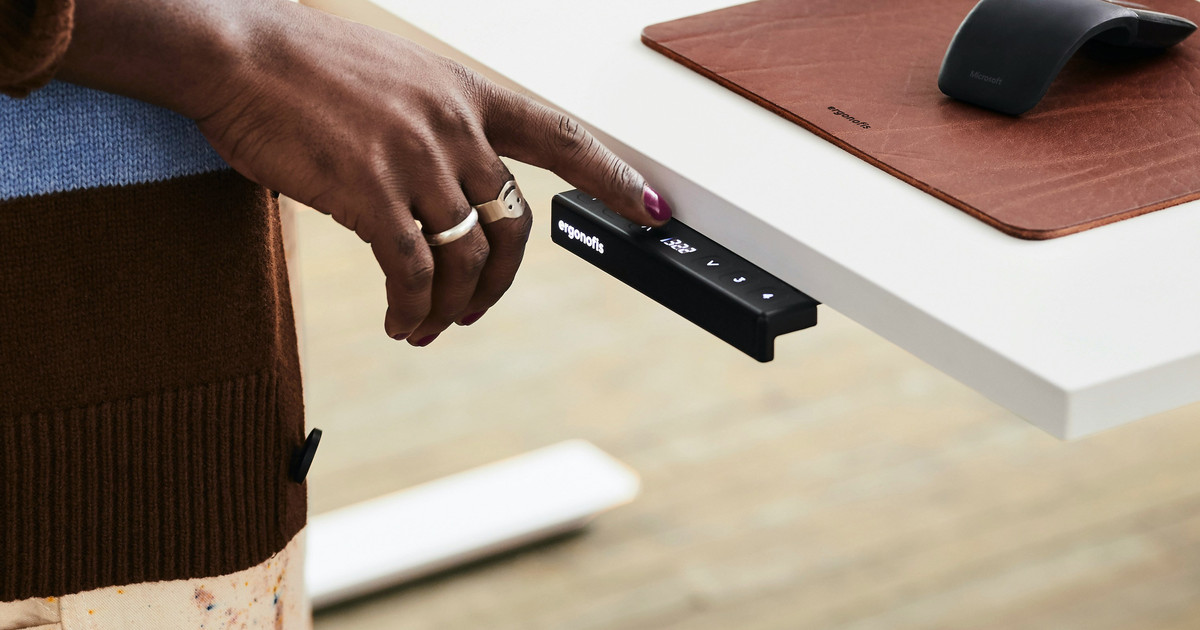
Many people living with persistent pain begin to wonder whether they are "moving the wrong way." You may have been told to sit up straighter, avoid bending, lift with your knees, or keep your back perfectly aligned. There is some truth in these ideas, but they can leave people feeling anxious about every movement they make.
The reality is much simpler. Your body was designed to move in many different ways. Problems are less likely to arise from a single movement than from repeating the same movement, or holding the same position, for long periods without a break. The goal is not perfect posture. It is comfortable, efficient movement that lets you do the things that matter with less effort and greater confidence.
Making your environment work for you
The spaces where we spend our time have a powerful influence on how our bodies feel. Whether you are working at a computer, preparing meals, or doing jobs around the house, small adjustments can make everyday tasks easier.
Sometimes this means raising a computer screen, adjusting the height of a chair, or moving frequently used items within easy reach. At other times it may mean choosing supportive footwear, using a small footrest when standing for long periods, or simply remembering to change position more regularly. These changes are rarely dramatic on their own, but together they reduce unnecessary strain and make daily activities feel much more manageable.
Moving more efficiently
The way you move also influences how much effort your body uses. When lifting something heavy, it is usually easier to bring the object close to your body rather than reaching forward with outstretched arms. Turning your whole body instead of twisting through your back, sharing the load between both hands where possible, and avoiding prolonged awkward positions are all practical ways of reducing unnecessary effort.
These are not rigid rules; they are principles that help your body work more efficiently. As your confidence grows, you will discover the movement strategies that work best for your own body and the activities you do most often.
Variety matters more than perfect posture
One of the biggest misconceptions about posture is that there is one ideal position to maintain all day. In reality, even excellent posture becomes uncomfortable if you hold it too long. Our bodies are designed for movement, and changing position regularly, stretching, standing up, taking a short walk, or alternating between sitting and standing often provides more benefit than trying to hold one "correct" position. Movement itself is one of the best forms of posture.
Finding solutions that fit your life
Everyone's home, workplace and daily routine are different. An occupational therapist looks beyond general advice and considers how you actually live. They may observe how you complete everyday tasks, identify where unnecessary effort is occurring, and work with you to find practical solutions that fit your circumstances. Often the answer is not doing less. It is doing things differently, and small changes made consistently can reduce fatigue, improve comfort, and help you take part more confidently in the activities that matter to you.
Is there a position or task you hold for long stretches without a break, at a desk, at the sink, on the couch? What is one natural point where you could change position or move a little?
KEY TAKEAWAY
Good body mechanics reduce unnecessary strain, but there is no single "perfect posture" to maintain all day. Regular movement and changing position matter more than sitting or standing perfectly, and small ergonomic adjustments, personalised to your life, make everyday activities easier and less tiring.
Where to next
Book a Free Navigation Call
Explore Coaching
Clinician Consultation


Authour
Pain Education and Management (PEM)
Last Evidence Review
2 July 2026
Pain Pal provides educational support only and does not replace medical advice, diagnosis or treatment. Always consult your healthcare professional regarding your individual circumstances. In an emergency, call 000.