
Read Time (minutes)
5

Workplace Ergonomics and Workstation Setup
Whether you work from home, in an office, or are preparing to return to work after persistent pain, your environment can make a real difference to your comfort and productivity. A well-designed workspace is not about perfect posture — it is about creating an environment that supports movement, reduces unnecessary strain, and helps you work comfortably through the day.
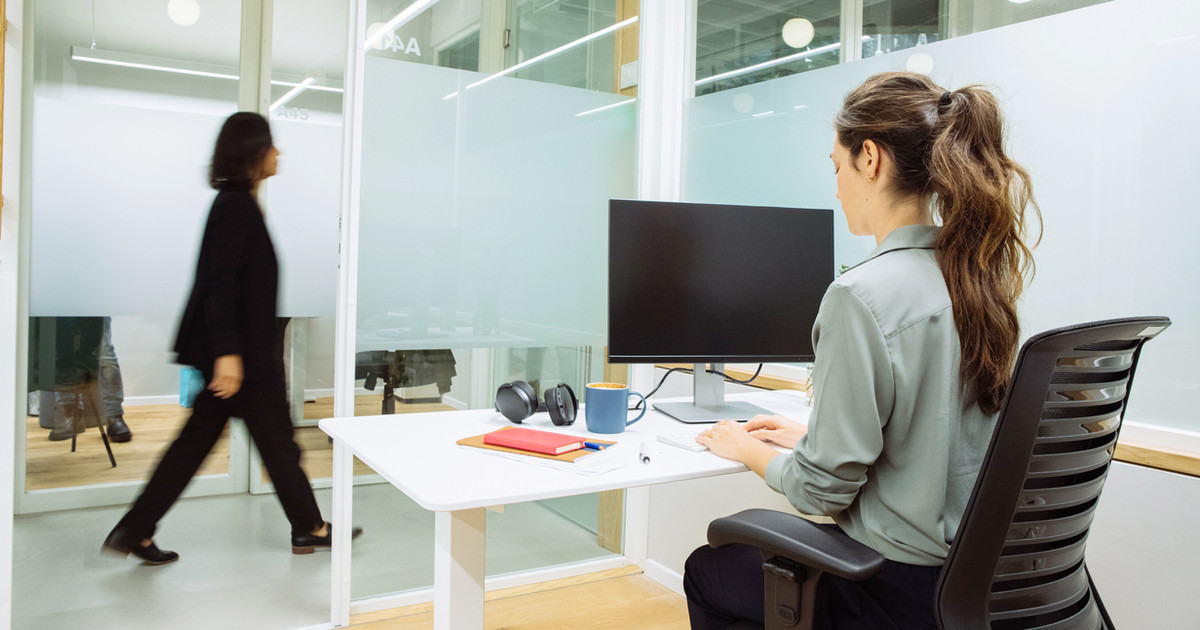
Returning to work after persistent pain can be both exciting and daunting. Many people worry that sitting at a desk, standing for long periods, or repeating the same movements will simply bring their pain back, and it is understandable to wonder whether the problem lies with the chair, the desk, or the way you sit.
While your workspace certainly matters, the answer is usually more complex than finding the "perfect" ergonomic setup. Our bodies are remarkably adaptable, designed to move, change position and respond to different demands through the day. Problems often arise not because we sit incorrectly, but because we stay in the same position too long. A good workspace does not keep you still. It encourages you to keep moving.
Your workspace should fit you
Think about how different we all are. We vary in height, body shape, flexibility, strength and the type of work we do, so it makes sense that one workstation layout will not suit everybody. A chair that feels supportive for one person may feel uncomfortable for another, and the ideal desk height for someone who types all day may differ from someone who reviews paperwork or speaks with clients. Rather than chasing a universal "correct" setup, aim to create a workspace that lets you work comfortably, change position easily, and minimise unnecessary strain.
Movement is the best ergonomic strategy
One of the biggest myths about office work is that there is one perfect posture to maintain all day. In reality, even excellent posture becomes uncomfortable if you stay in it for hours; your body benefits far more from regular movement than from perfect positioning. Standing for a few minutes during a phone call, walking to speak with a colleague instead of sending an email, or taking a short stretch break between tasks can all reduce muscle fatigue and keep your body comfortable through the day. The best posture is often your next posture.
Small adjustments can make a big difference
Improving your workspace rarely requires expensive equipment; sometimes the simplest changes have the greatest impact. Adjusting the height of your chair so your feet feel well supported, bringing frequently used items within comfortable reach, or positioning your screen so you are not constantly looking down can all reduce unnecessary effort. These changes are not about protecting a fragile body. They are about making everyday work feel easier and more efficient.
Returning to work is a rehabilitation journey
If you have been away from work because of persistent pain, it helps to remember that returning is rarely an all-or-nothing event. Just as you gradually rebuild strength and confidence through exercise, your body often benefits from gradually rebuilding work capacity, which may involve shorter days, modified duties, or regular opportunities to change position while your body adapts. Returning to work successfully is not about proving you can do everything on day one. It is about creating the conditions that let you keep building confidence over time.
In your work setup, what is the one position you hold longest? What small prompt, a timer, a task, a habit, could remind you to change it more often?
KEY TAKEAWAY
A good workspace supports movement rather than perfect posture, and small ergonomic adjustments improve comfort and reduce strain. Regular movement through the day is one of the most effective strategies, every workspace should be adapted to the individual, and returning to work is a gradual, planned rehabilitation process.
Where to next
Book a Free Navigation Call
Explore Coaching
Clinician Consultation


Authour
Pain Education and Management (PEM)
Last Evidence Review
2 July 2026
Pain Pal provides educational support only and does not replace medical advice, diagnosis or treatment. Always consult your healthcare professional regarding your individual circumstances. In an emergency, call 000.