
Manage Pain Knowledge Base
Explore topics that interest you



What is Pain?
Pain is one of the most personal experiences you can have. It is real, it is complex, and it is shaped by far more than injury alone. This article explains what pain actually is, why it varies so much from person to person, and why understanding it is often the first step toward managing it well.

Why Pain is More Than Physical – The Biopsychosocial Model Explained
Pain is not just about what is happening in your body. Biological, psychological and social factors all play a role in shaping how pain is experienced. This article explains the biopsychosocial model of pain in plain language and explores why understanding this approach can open up new and effective ways to manage persistent pain.

Acute Pain, Persistent Pain and Flare-ups – What is the Difference?
Not all pain is the same. Acute pain, persistent pain and flare-ups each behave differently and mean different things. This article explains the differences in plain language, why pain changes over time, and what those changes might mean for you.

Why Pain Can Continue After Healing
One of the most confusing things about persistent pain is that it can continue long after an injury has healed. Scans look normal, tests come back clear, yet the pain remains. This article explains why that happens, what it means for your nervous system, and why ongoing pain does not always mean ongoing damage.

Understanding Different Types of Pain
Not all pain works the same way. Some comes from tissue injury, some from nerve irritation, and some from changes in how the nervous system processes signals. This article explains the main types of pain in plain language and why knowing which type you have can guide a more effective approach.

Understanding Gate Control Theory
Why does rubbing a sore elbow help, and why can stress make pain worse? This article explains Gate Control Theory in plain language, what tends to "open" and "close" the gate, and why a multidisciplinary approach to persistent pain is often more effective than any single treatment.
Understanding Central Sensitisation
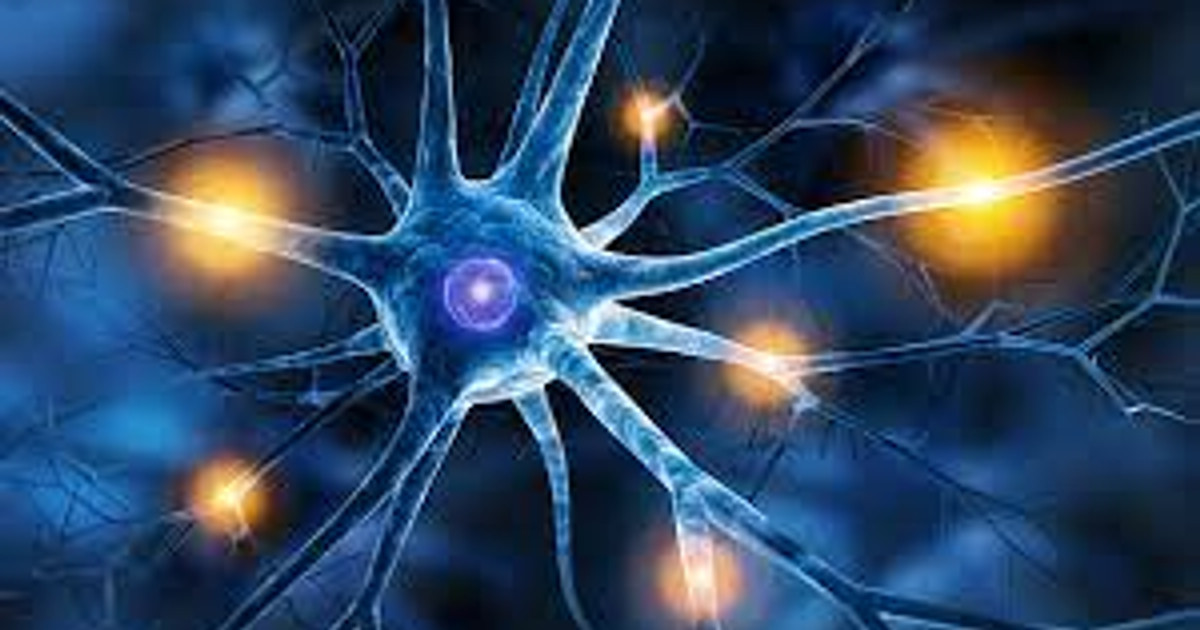
Pain can continue after an injury has healed, even when scans look normal. This article explains central sensitisation of nociception in plain language, why it does not mean pain is imagined, and how education, movement, sleep and stress management can help the nervous system become less sensitive over time.