
Manage Pain Knowledge Base
Explore topics that interest you



Functional Restoration — Focusing on What You Can Do
Functional restoration focuses on rebuilding what you can do rather than chasing complete pain relief. This article explains what it means, why it works best with a team around you, and why function, confidence and quality of life are the real markers of progress.

Taking Back Control Through Self-Management
Taking back control of persistent pain does not mean managing everything alone or finding one perfect fix. This article explains what self-management really involves, from self-care and coping skills to goal setting, pacing and tracking progress, and why these everyday practices make a genuine difference over time.

Building a Meaningful Life with Persistent Pain
Living well with persistent pain is not about waiting for pain to disappear before life can resume. This article brings together the key ideas from other similar articles, including understanding pain, active approaches, coordinated care and self-management, and explores what it actually means to build a meaningful life while pain is still part of the picture.

Rediscovering Enjoyable Activities
Persistent pain often causes people to stop doing the activities they enjoy. Rediscovering meaningful, enjoyable activities, at a pace that suits you, can improve wellbeing, confidence, sleep and quality of life. Recreation is not just a reward after recovery; it can be part of recovery itself.

The Power of Connection and Creativity
Persistent pain affects much more than the body. It can influence relationships, confidence, identity and emotional wellbeing. Staying connected and engaging in creative or meaningful activities can support resilience, improve mood, and help you build a life that is not defined by pain.
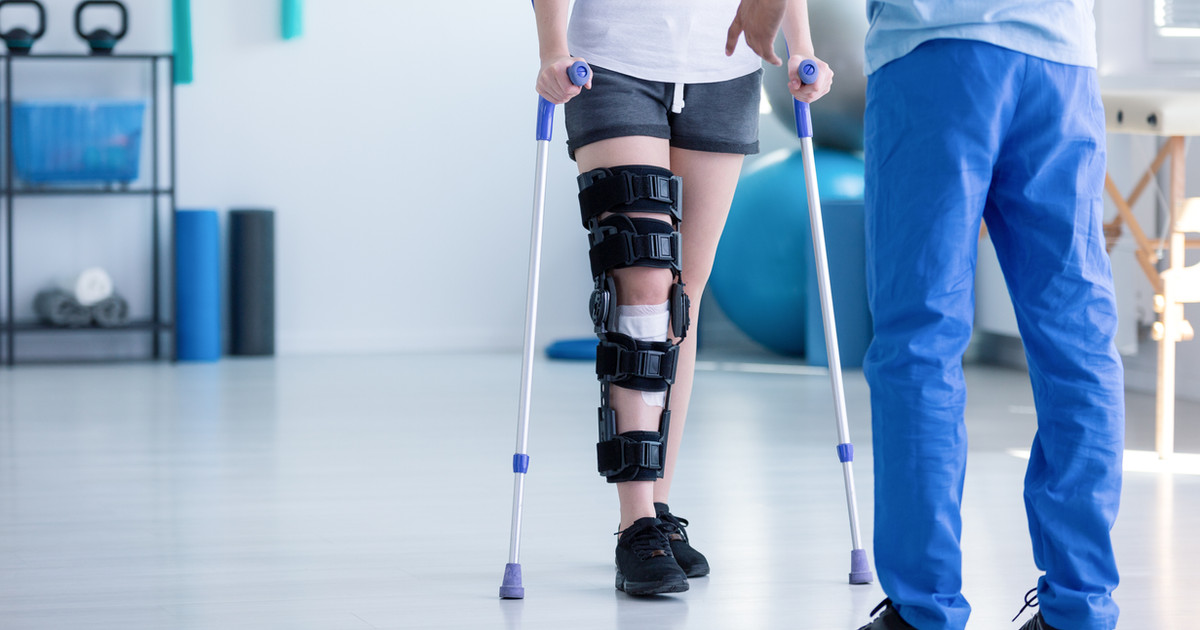
Understanding Occupational Therapy
Occupational therapy (OT) helps people living with persistent pain take part more fully in everyday life. Rather than focusing only on pain or physical capacity, occupational therapists work with you to understand what matters most and develop practical solutions that make those activities easier, safer and more achievable.
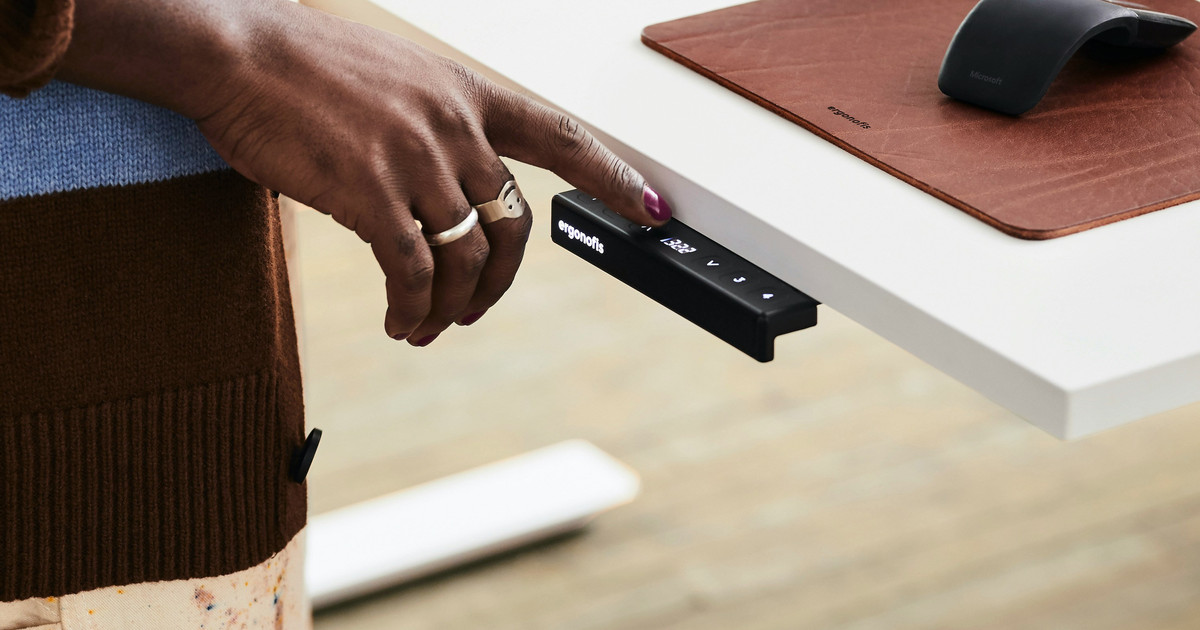
Working Smarter: Body Mechanics and Ergonomics
The way you sit, stand, lift and move through the day can have a real impact on how your body feels. Good body mechanics and ergonomics are not about finding the "perfect posture" — they are about reducing unnecessary strain, working more efficiently, and making everyday activities easier to manage.
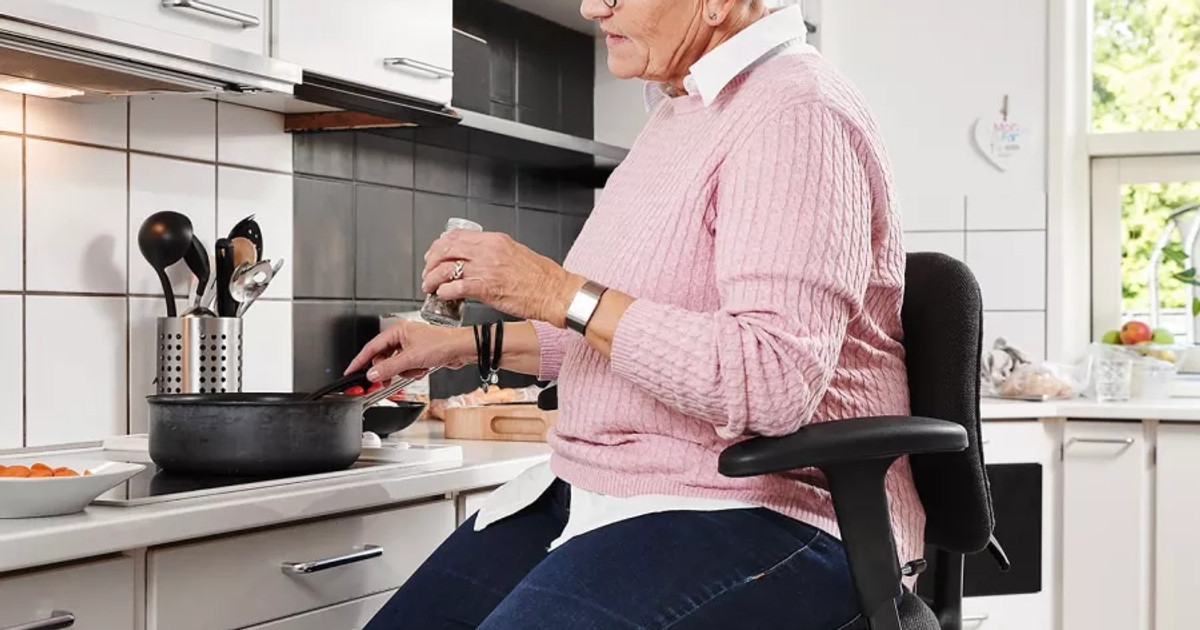
Making Everyday Activities Easier
Persistent pain often affects the ordinary tasks of everyday life long before it prevents major activities. Occupational therapists help people find practical ways to make these tasks easier by adapting how they are done, changing the environment, and introducing simple strategies that support independence and confidence.
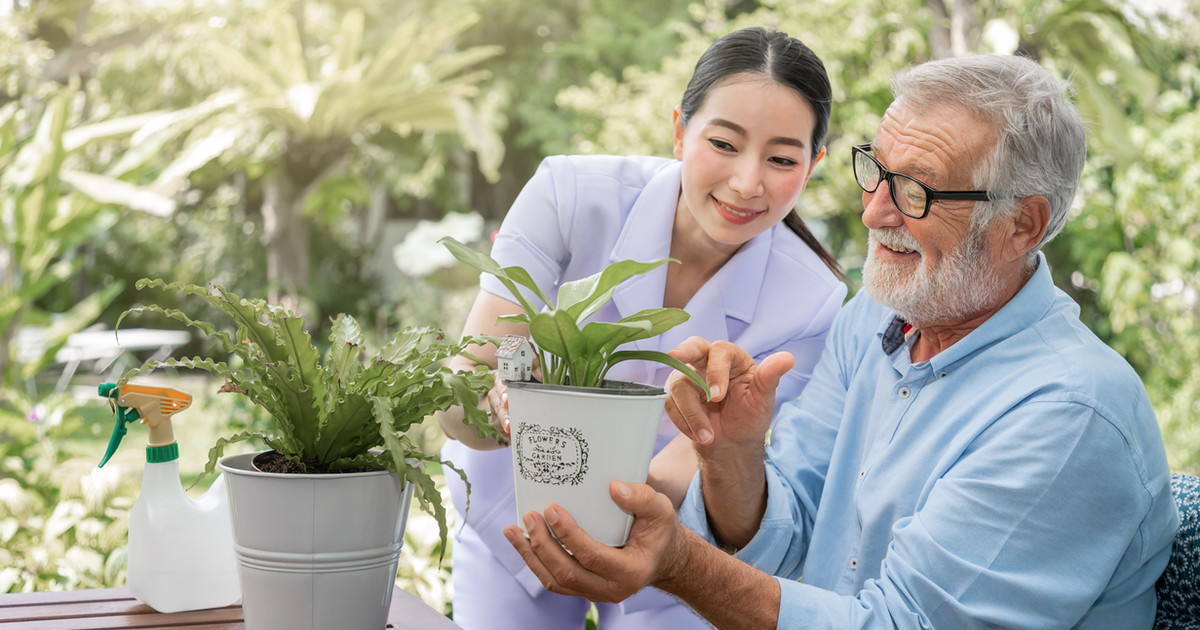
Rebuilding Confidence Through Graded Exposure
One of the biggest challenges of living with persistent pain is returning to activities that have become frightening or feel impossible. Graded exposure is a structured approach that helps you rebuild confidence through small, achievable steps toward the activities that matter most, allowing your body and nervous system to learn that movement can be safe again.

Managing Your Energy Through Pacing
Many people living with persistent pain find themselves caught in a frustrating cycle of doing too much on a good day and then needing days to recover. Pacing is a practical strategy that helps you manage your energy more consistently, so you can stay active, reduce flare-ups, and keep taking part in the activities that matter most.

Planning Your Day for Success
Living well with persistent pain is not just about managing individual activities — it is about creating a daily routine that supports your health, your recovery and the life you want to live. Thoughtful planning helps you use your energy effectively, reduce unnecessary stress, and make room for the people and activities that matter most

Living the Life That Matters
Persistent pain management is not simply about reducing pain — it is about rebuilding a life that reflects what matters most to you. The strategies in this module are designed to help you take part more fully in your family, work, hobbies and community, so your life becomes defined by your values rather than your pain.

Workplace Ergonomics and Workstation Setup
Whether you work from home, in an office, or are preparing to return to work after persistent pain, your environment can make a real difference to your comfort and productivity. A well-designed workspace is not about perfect posture — it is about creating an environment that supports movement, reduces unnecessary strain, and helps you work comfortably through the day.
Assistive Equipment and Home Modifications
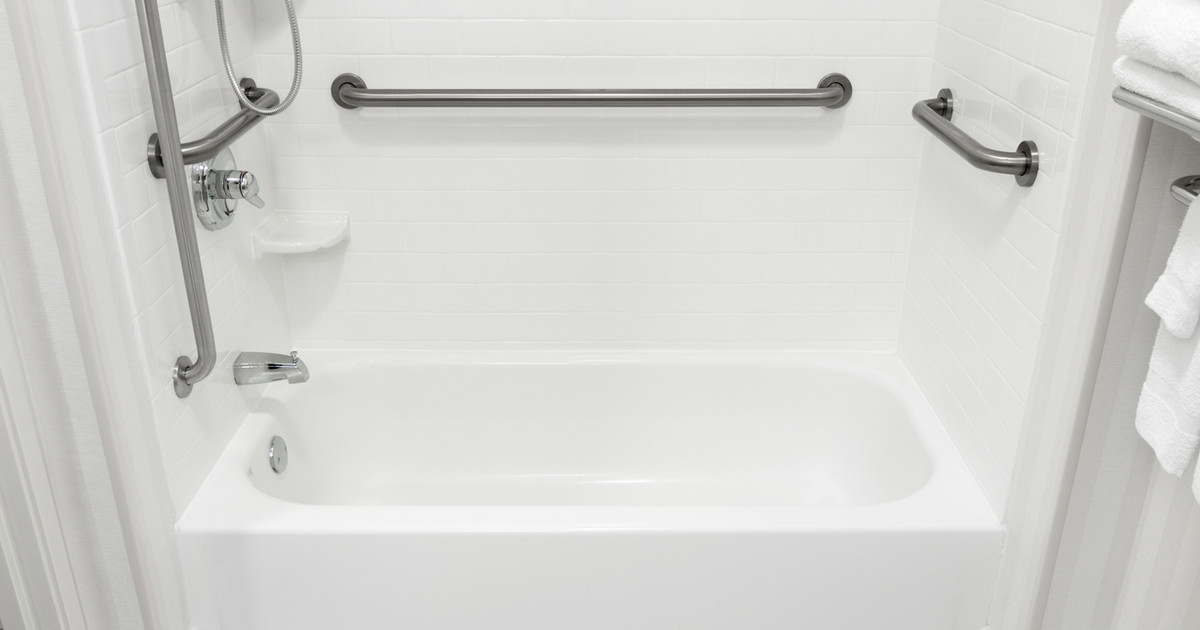
Many people hesitate when assistive equipment is suggested, worried it means they are becoming dependent. In reality, the right equipment often does the opposite. It removes unnecessary barriers, conserves energy, and helps you stay active, independent and engaged in the activities that matter most.

Returning to Work After Persistent Pain
For many people, returning to work is an important milestone in recovery. It represents more than earning an income — it can restore routine, confidence, social connection and a sense of purpose. Returning successfully, though, is rarely about waiting until you are completely pain free. It is about rebuilding your work capacity gradually, with the right support and realistic expectations.

Rebuilding a Meaningful Life After Persistent Pain
Persistent pain changes more than the body. It can affect relationships, work, recreation, confidence and even the way you see yourself. Recovery isn't simply about reducing pain; it's about rebuilding a life that feels meaningful, purposeful and worth living. Although that life may look different from before, it can still be rich, rewarding and deeply fulfilling.

Finding Meaning Through Recreation and Connection
When pain becomes a daily companion, recreation is often one of the first things to disappear. Hobbies are abandoned, social invitations declined, and enjoyable activities gradually become memories rather than experiences. Yet recreation and connection are not luxuries to return to once pain improves; they are an important part of improving wellbeing and rebuilding a meaningful life.

Returning to Work with Persistent Pain
For many people, work is about much more than earning an income. It provides routine, purpose, social connection and a sense of contribution. Persistent pain can make returning to work feel uncertain, but with realistic expectations, appropriate support and a gradual approach, many people successfully return to meaningful employment while continuing to manage their pain.

When It's Time to Rethink Your Career
For some people, returning to their previous job simply isn't possible. That can be one of the hardest realities to accept. Yet changing careers doesn't mean giving up on meaningful work. It can become an opportunity to build a working life that better supports your health, your strengths and your future.

Your Rights and Supports in Australia
Living with persistent pain can make work, study and daily life more challenging, but you don't have to navigate those challenges alone. Australia has a range of workplace protections, rehabilitation services and government programs designed to help people with long-term health conditions remain engaged in work and community life. Understanding what's available helps you make informed decisions and advocate for yourself with confidence.

Preparing for Conversations with Your Employer
Talking to your employer about persistent pain can feel daunting. Many people worry about being judged, treated differently, or becoming a burden. Preparing for the conversation helps you focus on practical solutions, explain what support would help, and work collaboratively towards a safe, sustainable plan.

Creating Your Personal Life Rebuild Plan
Persistent pain can leave life feeling uncertain, but recovery is about more than managing symptoms. It is about intentionally creating a future that reflects what matters most to you. A personal life rebuild plan brings together everything you have learned throughout this program and turns it into practical actions that support participation, purpose and long-term wellbeing.