
Manage Pain Knowledge Base
Explore topics that interest you


Pain is a whole-person experience
Recognising the role of thoughts and emotions in pain does not mean it is "all in your head". This article explains how emotions, stress, sleep and relationships can shape a pain-experience, and why a whole-person approach opens up more ways to reduce pain's impact on daily life.
Stress, the Nervous System and Pain
Stress and persistent pain can feed into each other through the nervous system. This article explains the stress response, how a prolonged stress response can be accompanied by more intense pain, and practical strategies such as slow breathing, relaxation and movement that can help settle it.

Grief, Loss and Emotional Adjustment
Living with persistent pain often involves much more than managing physical symptoms. Many people experience grief for the life they once had, and changes in identity, relationships and independence. Understanding that these feelings are a normal part of adjustment can help you develop healthier ways of coping and moving forward.

Building Healthy Thoughts and Behaviours
The way we think about pain and respond to it can influence how much it affects our lives. Developing healthier thinking patterns and behaviours does not mean ignoring pain; it means learning practical skills that reduce distress, build confidence and support participation in meaningful activities.
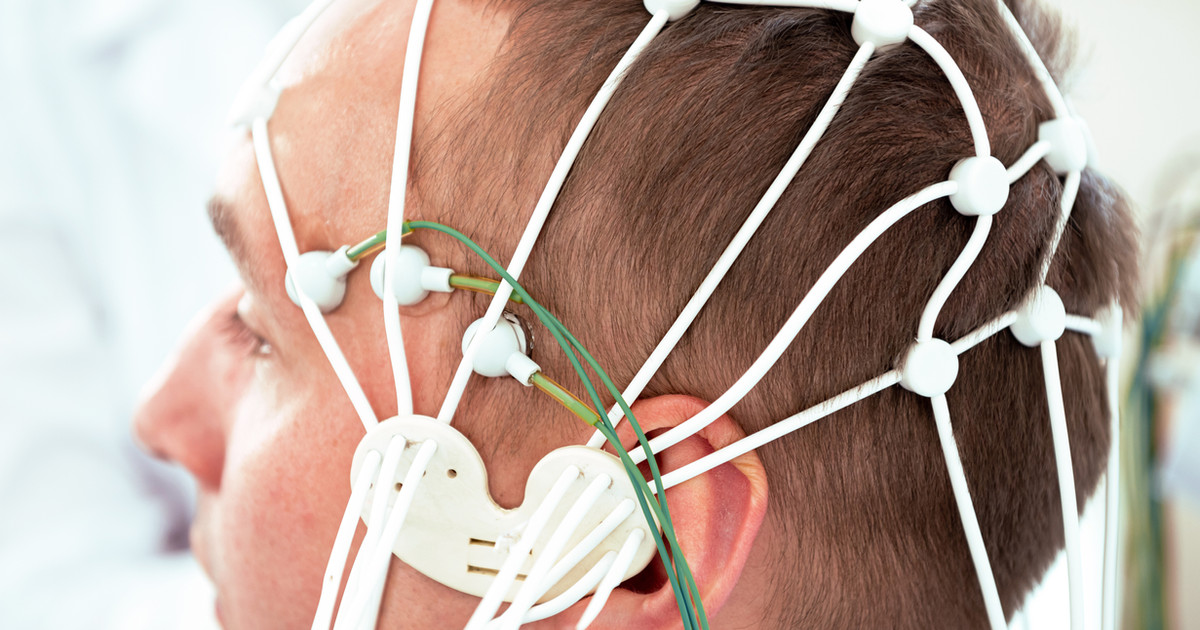
Biofeedback and Nervous System Regulation
Biofeedback is a technique that helps you become more aware of how your body responds to stress and pain. By learning to recognise and regulate these responses, you can develop practical skills that reduce muscle tension, calm the nervous system and support long-term pain management.


Building Psychological Resilience and Self-Efficacy
Living well with persistent pain is not about eliminating every symptom. It is about developing the confidence, knowledge and skills to manage challenges, keep taking part in meaningful activities, and maintain hope. Building resilience and self-efficacy helps you take an active role in your recovery.

Understanding Cognitive Behavioural Therapy (CBT)
Cognitive Behavioural Therapy (CBT) is one of the most widely researched psychological treatments for persistent pain. It does not aim to convince you your pain is psychological. Instead, it teaches practical skills for managing the unhelpful thoughts, emotions and behaviours that can increase pain's impact on everyday life.

Understanding Operant Behavioural Therapy (OBT)
Operant Behavioural Therapy (OBT) is an evidence-based approach that focuses on changing behaviours rather than simply reducing pain. By encouraging gradual activity, reinforcing healthy behaviours, and reducing fear and avoidance, OBT helps people build confidence, improve function and regain participation in everyday life.

Understanding Acceptance and Commitment Therapy (ACT)
Acceptance and Commitment Therapy (ACT) is an evidence-based psychological approach that helps people live meaningful lives despite persistent pain. Rather than trying to eliminate every painful thought or sensation, ACT teaches skills to respond more flexibly, focus on what matters most, and take positive action even when pain is present.