
Manage Pain Knowledge Base
Explore topics that interest you



Active, Passive and Self-Management Approaches to Pain
Not all pain treatments work the same way. Some are things done to you, some need your active participation, and some you can do on your own. This article explains the difference between passive, active and self-management approaches, and why active participation tends to matter most for lasting progress.

Working with Your Healthcare Team
Persistent pain often involves more than one kind of health professional. This article explains the roles of your GP, allied health team, pain specialists and health coaches, and why coordinated care, rather than fragmented separate appointments, tends to lead to better outcomes.

Understanding Manual Therapy
Manual therapy includes hands-on techniques used by physiotherapists and other trained health professionals to help reduce pain, improve movement and support rehabilitation. It can provide short-term symptom relief, but the best long-term outcomes come when manual therapy is combined with active rehabilitation and self-management.

Understanding Osteopathy
Osteopathy is a hands-on healthcare profession that focuses on improving movement, reducing pain and restoring function. Rather than treating a single painful body part in isolation, osteopaths consider how the body works as a connected system. For many people with persistent musculoskeletal pain, osteopathy can provide short-term symptom relief while supporting a broader active rehabilitation program.

Massage Therapy: More Than Relaxation
Most people think of massage as a way to relax, but for people living with persistent pain it can do more. Massage therapy can reduce muscle tension, calm an overactive nervous system, and create a window where movement feels easier. While the benefits are often temporary, massage can be a valuable part of a broader rehabilitation program when combined with active self-management.
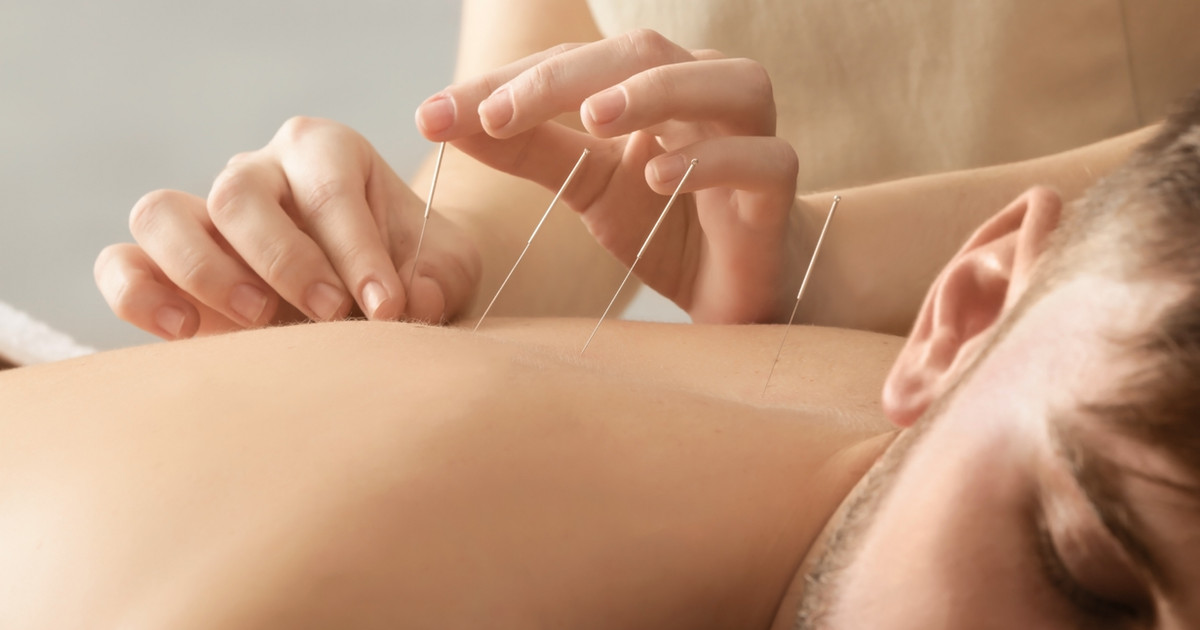
Understanding Acupuncture
Acupuncture is one of the most widely recognised complementary therapies for persistent pain, yet also one of the most misunderstood. While its traditional origins are thousands of years old, modern research has shown it can provide meaningful relief for some pain conditions. Understanding what the evidence says, and what it doesn't, can help you decide whether acupuncture has a place in your rehabilitation.

Understanding Chiropractic Care
Chiropractic care is one of the most recognised, and sometimes misunderstood, forms of musculoskeletal treatment. While opinions vary, the evidence shows it can be an effective option for some people with persistent spinal pain. Understanding what chiropractors do, what the research supports, and where chiropractic fits within a broader rehabilitation program can help you make an informed decision.

Choosing the Right Complementary Therapy for You
With so many complementary therapies available, deciding where to begin can feel overwhelming. Friends, family, social media and the internet often provide conflicting advice. The best choice isn't necessarily the most popular therapy — it's the one that aligns with your goals, your preferences, and the evidence for your particular situation.

Finding a Qualified Practitioner in Australia
Finding the right therapy is only part of the decision. Equally important is finding the right practitioner. Qualifications, experience and communication style can significantly influence your treatment experience and outcomes. Knowing what to look for can help you choose a practitioner who provides safe, evidence-informed care that supports your long-term recovery.

Understanding Procedure-Based Interventions
Most people living with persistent pain improve through a combination of education, movement, medication, psychological strategies and active rehabilitation. For some, however, these approaches do not provide enough relief on their own. Procedure-based interventions can sometimes reduce pain, improve function or clarify a diagnosis, creating new opportunities to continue rehabilitation. Understanding where these procedures fit, and where they don't, can help you make informed decisions if they are ever recommended.
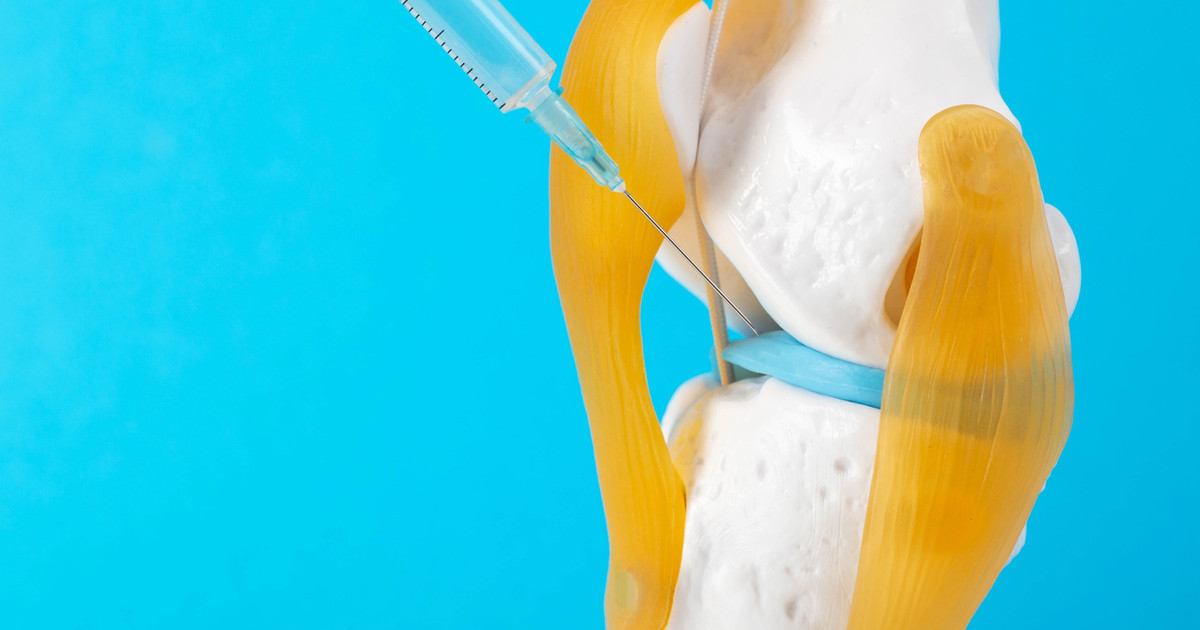
Joint and Epidural Steroid Injections
Joint injections and epidural steroid injections are among the most commonly performed procedures for persistent musculoskeletal pain. While they can provide meaningful relief for some people, they are not appropriate for every condition and rarely provide a permanent solution. Understanding what these procedures are designed to achieve can help you make informed decisions and develop realistic expectations.
Nerve Blocks and Radiofrequency Ablation
Not all pain comes from muscles or joints. Sometimes the nerves carrying pain signals, or the small nerves supplying painful joints, become the focus of treatment. Nerve blocks and radiofrequency ablation are procedures designed to identify or reduce pain from specific structures. Understanding what these procedures are, and what they are not, can help you decide whether they may be appropriate for your situation.
Spinal Cord Stimulation and Intrathecal Pain Pumps
Most people living with persistent pain will never require an implanted pain management device. However, for carefully selected individuals whose pain has not responded to other treatments, technologies such as spinal cord stimulation and intrathecal pain pumps may provide meaningful improvements in pain, function and quality of life. Understanding what these treatments involve can help you make informed decisions if they are ever discussed as part of your care.

Trigger Point Injections and Other Targeted Procedures
Not all pain procedures involve the spine or major joints. Some treatments are designed to target specific muscles, tendons or soft tissues that contribute to pain and reduced movement. While these procedures may provide temporary relief for carefully selected people, they are most effective when used to support active rehabilitation rather than as standalone treatments.

Making Informed Decisions About Procedures
Choosing whether to have a pain procedure is rarely a simple yes-or-no decision. Every treatment has potential benefits, limitations and risks, and the right choice depends on your goals, your circumstances and the evidence for your condition. Understanding how to ask the right questions and take part in shared decision-making helps ensure any procedure supports your long-term recovery rather than becoming a treatment you simply hope will solve everything.

Preparing for Your Pain Specialist Appointment
Seeing a pain specialist can feel like an important milestone in your recovery. Many people arrive hoping for answers but leave wishing they had asked different questions or brought more information. A little preparation can help you get the most from your appointment, make informed decisions, and work with your specialist to develop a treatment plan that reflects your goals.

Getting the Most From a Pain Procedure
A successful pain procedure is not the end of treatment; it is often the beginning of the next stage of recovery. Whether a procedure reduces pain for a few weeks or several months, the greatest long-term benefits usually come from how you use that opportunity. Continuing rehabilitation, rebuilding strength, and gradually increasing participation can help turn temporary pain relief into lasting improvements in function and quality of life.