
Manage Pain Knowledge Base
Explore topics that interest you



What is Pain?
Pain is one of the most personal experiences you can have. It is real, it is complex, and it is shaped by far more than injury alone. This article explains what pain actually is, why it varies so much from person to person, and why understanding it is often the first step toward managing it well.

Why Pain is More Than Physical – The Biopsychosocial Model Explained
Pain is not just about what is happening in your body. Biological, psychological and social factors all play a role in shaping how pain is experienced. This article explains the biopsychosocial model of pain in plain language and explores why understanding this approach can open up new and effective ways to manage persistent pain.

Acute Pain, Persistent Pain and Flare-ups – What is the Difference?
Not all pain is the same. Acute pain, persistent pain and flare-ups each behave differently and mean different things. This article explains the differences in plain language, why pain changes over time, and what those changes might mean for you.

Why Pain Can Continue After Healing
One of the most confusing things about persistent pain is that it can continue long after an injury has healed. Scans look normal, tests come back clear, yet the pain remains. This article explains why that happens, what it means for your nervous system, and why ongoing pain does not always mean ongoing damage.

Understanding Different Types of Pain
Not all pain works the same way. Some comes from tissue injury, some from nerve irritation, and some from changes in how the nervous system processes signals. This article explains the main types of pain in plain language and why knowing which type you have can guide a more effective approach.
Active, Passive and Self-Management Approaches to Pain
Not all pain treatments work the same way. Some are things done to you, some need your active participation, and some you can do on your own. This article explains the difference between passive, active and self-management approaches, and why active participation tends to matter most for lasting progress.

Functional Restoration — Focusing on What You Can Do
Functional restoration focuses on rebuilding what you can do rather than chasing complete pain relief. This article explains what it means, why it works best with a team around you, and why function, confidence and quality of life are the real markers of progress.

Working with Your Healthcare Team
Persistent pain often involves more than one kind of health professional. This article explains the roles of your GP, allied health team, pain specialists and health coaches, and why coordinated care, rather than fragmented separate appointments, tends to lead to better outcomes.

Taking Back Control Through Self-Management
Taking back control of persistent pain does not mean managing everything alone or finding one perfect fix. This article explains what self-management really involves, from self-care and coping skills to goal setting, pacing and tracking progress, and why these everyday practices make a genuine difference over time.

Building a Meaningful Life with Persistent Pain
Living well with persistent pain is not about waiting for pain to disappear before life can resume. This article brings together the key ideas from other similar articles, including understanding pain, active approaches, coordinated care and self-management, and explores what it actually means to build a meaningful life while pain is still part of the picture.

Understanding the Role of Medicines in Persistent Pain
Medicines can play an important role in managing persistent pain, but they are only one part of effective treatment. Understanding what medicines can—and cannot—do helps you make informed decisions and use them as part of a broader plan to improve function, participation and quality of life.

Understanding Common Pain Medicines
Many different medicines are used to manage persistent pain, and each works in a different way. Understanding the purpose, benefits and limitations of common pain medicines can help you make informed decisions and work with your healthcare team to find the approach that best supports your goals.

Creating Your Medication Plan
There is no single medicine or medication plan that works for everyone living with persistent pain. Effective medication management means developing an individualised plan that reflects your goals, health needs and daily activities, and reviewing it regularly to ensure it keeps providing more benefit than harm.

Medicines as Part of Your Pain Management Plan
Medicines can help manage persistent pain, but they work best combined with other evidence-informed approaches. Lasting improvements usually come from a multidisciplinary plan that includes movement, education, psychological strategies, healthy lifestyle habits and active self-management.

Medication Reviews and Your Healthcare Team
Your medication needs may change over time. Regular medication reviews help ensure your medicines keep providing benefit, keep side effects to a minimum, and support your goals. Working with your GP, pharmacist and others keeps your treatment safe, effective and focused on your quality of life.


Understanding Medical Cannabis for Persistent Pain
Medical cannabis has drawn significant attention as a possible treatment for persistent pain. Some people may benefit, but the evidence continues to evolve and it is not suitable for everyone. Understanding what it is, what current research shows, and where it may fit can help you make informed decisions with your healthcare team.


Building Better Sleep Habits
Good sleep rarely happens by chance. The habits and routines you follow through the evening influence how easily you fall asleep, how well you stay asleep, and how refreshed you feel. This article explores practical sleep hygiene strategies for living with persistent pain.



Rediscovering Enjoyable Activities
Persistent pain often causes people to stop doing the activities they enjoy. Rediscovering meaningful, enjoyable activities, at a pace that suits you, can improve wellbeing, confidence, sleep and quality of life. Recreation is not just a reward after recovery; it can be part of recovery itself.

The Power of Connection and Creativity
Persistent pain affects much more than the body. It can influence relationships, confidence, identity and emotional wellbeing. Staying connected and engaging in creative or meaningful activities can support resilience, improve mood, and help you build a life that is not defined by pain.

Creating Your Personal Sleep and Wellbeing Plan
Improving sleep rarely comes from one big change. It usually happens through small, consistent actions that become part of everyday life. This article helps you identify the strategies most relevant to you and build a practical plan for better sleep and wellbeing.
Pain is a whole-person experience
Recognising the role of thoughts and emotions in pain does not mean it is "all in your head". This article explains how emotions, stress, sleep and relationships can shape a pain-experience, and why a whole-person approach opens up more ways to reduce pain's impact on daily life.
Stress, the Nervous System and Pain
Stress and persistent pain can feed into each other through the nervous system. This article explains the stress response, how a prolonged stress response can be accompanied by more intense pain, and practical strategies such as slow breathing, relaxation and movement that can help settle it.

Grief, Loss and Emotional Adjustment
Living with persistent pain often involves much more than managing physical symptoms. Many people experience grief for the life they once had, and changes in identity, relationships and independence. Understanding that these feelings are a normal part of adjustment can help you develop healthier ways of coping and moving forward.

Building Healthy Thoughts and Behaviours
The way we think about pain and respond to it can influence how much it affects our lives. Developing healthier thinking patterns and behaviours does not mean ignoring pain; it means learning practical skills that reduce distress, build confidence and support participation in meaningful activities.
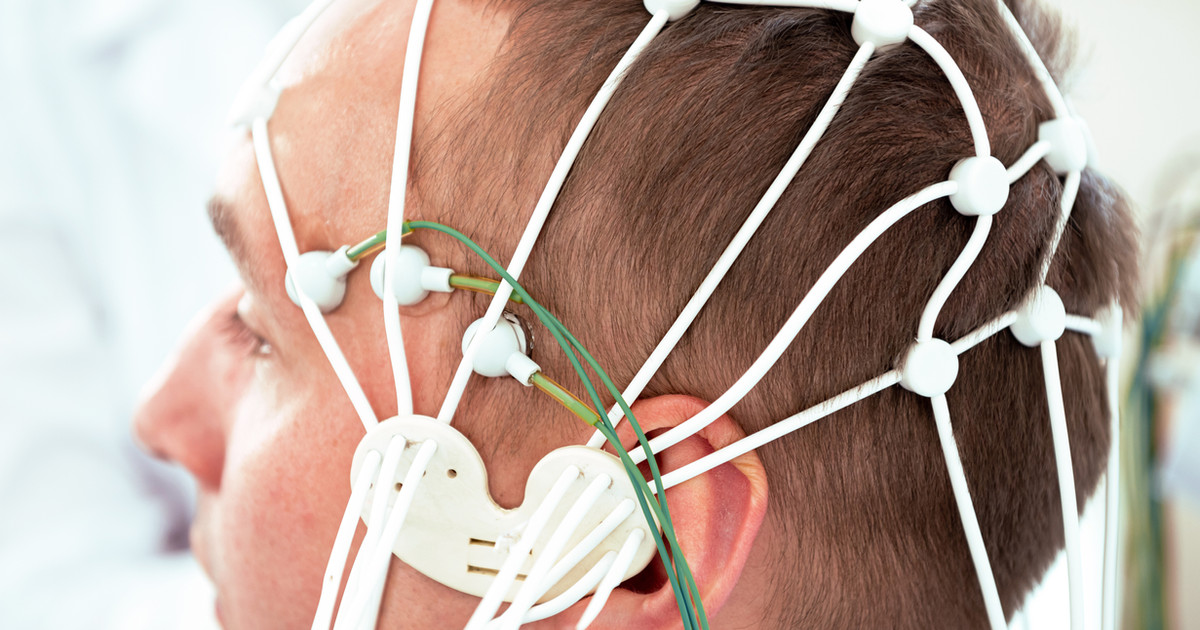
Biofeedback and Nervous System Regulation
Biofeedback is a technique that helps you become more aware of how your body responds to stress and pain. By learning to recognise and regulate these responses, you can develop practical skills that reduce muscle tension, calm the nervous system and support long-term pain management.

Building Psychological Resilience and Self-Efficacy
Living well with persistent pain is not about eliminating every symptom. It is about developing the confidence, knowledge and skills to manage challenges, keep taking part in meaningful activities, and maintain hope. Building resilience and self-efficacy helps you take an active role in your recovery.

Understanding Gate Control Theory
Why does rubbing a sore elbow help, and why can stress make pain worse? This article explains Gate Control Theory in plain language, what tends to "open" and "close" the gate, and why a multidisciplinary approach to persistent pain is often more effective than any single treatment.

Understanding Cognitive Behavioural Therapy (CBT)
Cognitive Behavioural Therapy (CBT) is one of the most widely researched psychological treatments for persistent pain. It does not aim to convince you your pain is psychological. Instead, it teaches practical skills for managing the unhelpful thoughts, emotions and behaviours that can increase pain's impact on everyday life.

Understanding Operant Behavioural Therapy (OBT)
Operant Behavioural Therapy (OBT) is an evidence-based approach that focuses on changing behaviours rather than simply reducing pain. By encouraging gradual activity, reinforcing healthy behaviours, and reducing fear and avoidance, OBT helps people build confidence, improve function and regain participation in everyday life.

Understanding Acceptance and Commitment Therapy (ACT)
Acceptance and Commitment Therapy (ACT) is an evidence-based psychological approach that helps people live meaningful lives despite persistent pain. Rather than trying to eliminate every painful thought or sensation, ACT teaches skills to respond more flexibly, focus on what matters most, and take positive action even when pain is present.

Why Nutrition Matters in Persistent Pain
Good nutrition supports overall health, recovery and wellbeing. Food is not a cure for persistent pain, but healthy eating can reduce its impact by supporting your body's normal functions, maintaining energy, improving general health, and helping you take part more fully in everyday life.

Eating to Support Recovery and Reduce Inflammation
The foods we eat influence many processes in the body, including inflammation, immune function and overall health. Rather than focusing on individual "superfoods" or restrictive diets, research shows that a balanced, whole-food eating pattern is the most effective way to support recovery and long-term wellbeing.


Healthy Weight, Energy and Hydration
Maintaining a healthy body weight, staying well hydrated, and eating enough nourishing food can improve energy, support movement, and reduce the impact of persistent pain on everyday life. The goal is not a perfect weight; it is supporting your body to function at its best.

Making Healthy Eating Work in Everyday Life
Knowing what to eat is only part of healthy eating. The biggest challenge for many people is putting healthy choices into practice. This article explores practical strategies to make healthy eating simpler, more affordable and more sustainable, even when living with persistent pain.

Working with an Accredited Practising Dietitian or Nutritionist
Most people can improve their nutrition by following healthy eating principles, but some situations call for more personalised advice. Accredited Practising Dietitians (APDs) are university-qualified nutrition experts who provide evidence-based assessment and individualised plans for specific health conditions. Nutritionists can also provide valuable support, particularly for general healthy eating and lifestyle guidance, though training and qualifications vary.


Understanding Dietary Supplements
Many people living with persistent pain consider dietary supplements to improve their symptoms. Some supplements may benefit certain individuals, but most are not a substitute for a healthy diet. Understanding the evidence can help you make informed decisions and avoid unnecessary cost or potential harm.

Understanding Anti-Inflammatory Eating Patterns
Many people living with persistent pain search for an "anti-inflammatory diet." No single eating pattern cures persistent pain, but research suggests diets rich in whole, minimally processed foods can support overall health and the body's normal inflammatory processes. This article explains what the evidence says and how to make practical, sustainable choices.

Nutrition for Different Health Conditions
Healthy eating principles apply to most people, but some medical conditions call for more personalised nutrition advice. Understanding when general healthy eating is enough, and when specialist guidance is appropriate, can help you make informed decisions and get the right support.

Why Your Body Feels Different Now
Persistent pain can change how your body feels and moves. This article explains the changes many people notice, including a more sensitive nervous system, ongoing stress responses, reduced fitness and altered movement patterns. It also explains why a gradual, well-paced return to movement can help rebuild strength, confidence and everyday function.

Why Movement Is the Answer
Worry about moving is common when pain persists. This article explains why gradual, well-planned movement is one of the most effective treatments for persistent pain, how it can rebuild strength and confidence, and how to find a pace that avoids both flare-ups and further deconditioning.

Walking Well Again
Walking is one of the most important movements we perform every day, yet it is often one of the first activities affected by persistent pain. This article explains why walking changes, how those changes can contribute to ongoing pain, and how gradual reconditioning can help restore confidence, mobility and independence.

Moving Through Everyday Life
Persistent pain affects much more than exercise. It changes how we move through everyday life — getting out of a chair, climbing stairs, carrying shopping or reaching into a cupboard. Reconditioning these everyday movements is one of the most effective ways to regain independence, confidence and quality of life.
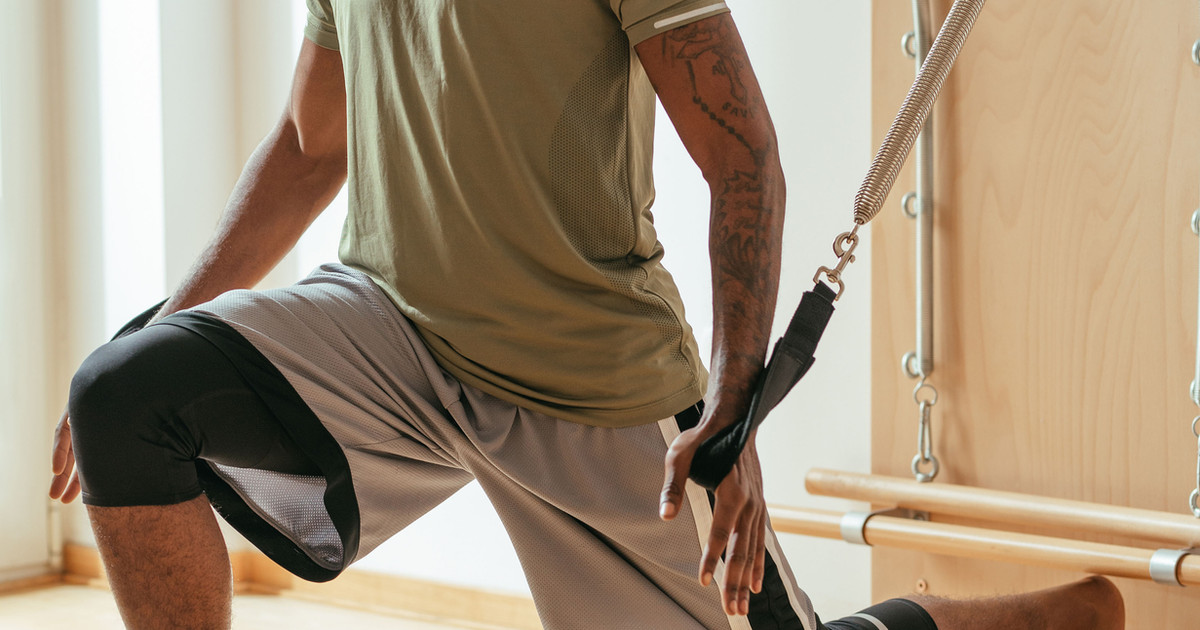
Building a Strong Foundation
Moving well is about more than strength alone. Good movement relies on stability, balance, coordination and body awareness working together. Building these foundations helps you move more efficiently, reduces unnecessary strain, and gives you greater confidence to take part in everyday activities.
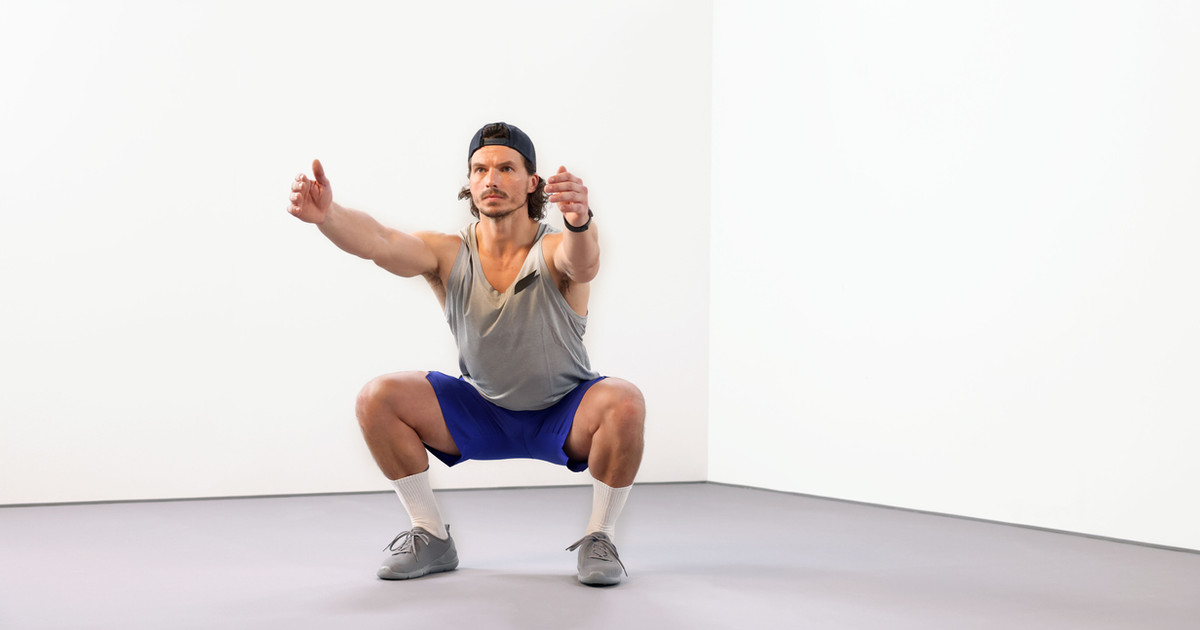
How Your Body Works as a Whole
Your body is designed to move as one connected system. Muscles, joints, bones and the nervous system all work together to produce efficient movement. Persistent pain can disrupt these connections, but rehabilitation helps restore the way your body works together, making movement feel easier, more confident and more efficient.

Working With Your Rehabilitation Team
Recovering from persistent pain is rarely something you need to do alone. Physiotherapists and Accredited Exercise Physiologists are experts in helping people safely rebuild movement, strength, confidence and function. Working with your broader healthcare team, they can help you develop a personalised rehabilitation program that supports long-term recovery.
Understanding Central Sensitisation
Pain can continue after an injury has healed, even when scans look normal. This article explains central sensitisation of nociception in plain language, why it does not mean pain is imagined, and how education, movement, sleep and stress management can help the nervous system become less sensitive over time.

Understanding Manual Therapy
Manual therapy includes hands-on techniques used by physiotherapists and other trained health professionals to help reduce pain, improve movement and support rehabilitation. It can provide short-term symptom relief, but the best long-term outcomes come when manual therapy is combined with active rehabilitation and self-management.

Understanding Occupational Therapy
Occupational therapy (OT) helps people living with persistent pain take part more fully in everyday life. Rather than focusing only on pain or physical capacity, occupational therapists work with you to understand what matters most and develop practical solutions that make those activities easier, safer and more achievable.

Working Smarter: Body Mechanics and Ergonomics
The way you sit, stand, lift and move through the day can have a real impact on how your body feels. Good body mechanics and ergonomics are not about finding the "perfect posture" — they are about reducing unnecessary strain, working more efficiently, and making everyday activities easier to manage.

Making Everyday Activities Easier
Persistent pain often affects the ordinary tasks of everyday life long before it prevents major activities. Occupational therapists help people find practical ways to make these tasks easier by adapting how they are done, changing the environment, and introducing simple strategies that support independence and confidence.
Rebuilding Confidence Through Graded Exposure
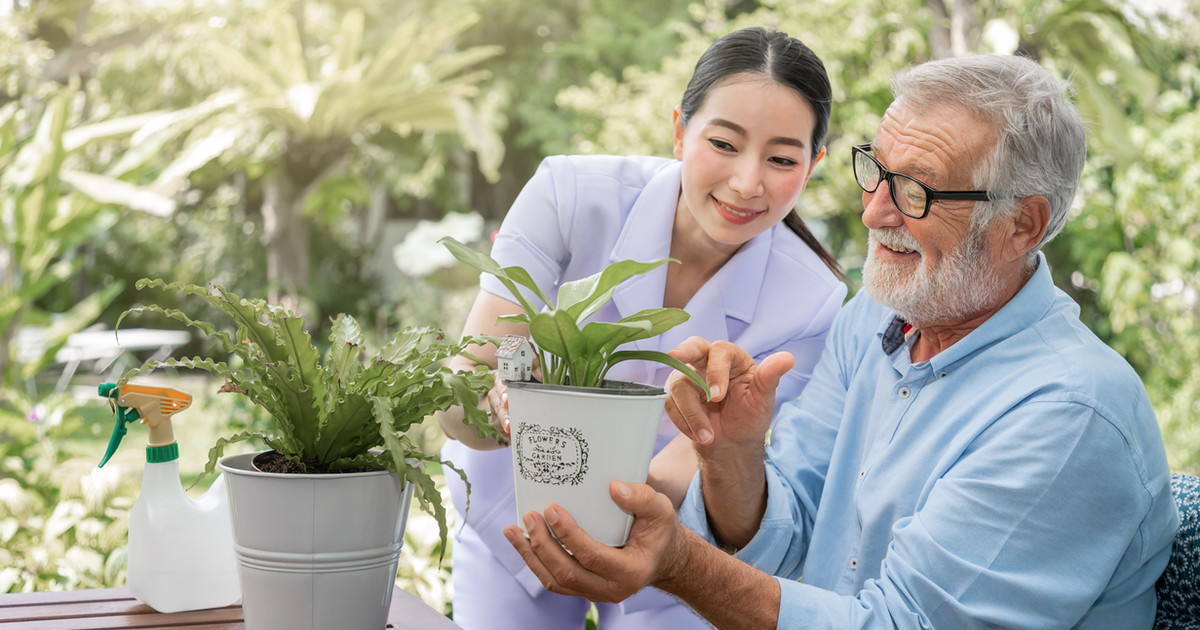
One of the biggest challenges of living with persistent pain is returning to activities that have become frightening or feel impossible. Graded exposure is a structured approach that helps you rebuild confidence through small, achievable steps toward the activities that matter most, allowing your body and nervous system to learn that movement can be safe again.

Managing Your Energy Through Pacing
Many people living with persistent pain find themselves caught in a frustrating cycle of doing too much on a good day and then needing days to recover. Pacing is a practical strategy that helps you manage your energy more consistently, so you can stay active, reduce flare-ups, and keep taking part in the activities that matter most.

Planning Your Day for Success
Living well with persistent pain is not just about managing individual activities — it is about creating a daily routine that supports your health, your recovery and the life you want to live. Thoughtful planning helps you use your energy effectively, reduce unnecessary stress, and make room for the people and activities that matter most

Living the Life That Matters
Persistent pain management is not simply about reducing pain — it is about rebuilding a life that reflects what matters most to you. The strategies in this module are designed to help you take part more fully in your family, work, hobbies and community, so your life becomes defined by your values rather than your pain.

Workplace Ergonomics and Workstation Setup
Whether you work from home, in an office, or are preparing to return to work after persistent pain, your environment can make a real difference to your comfort and productivity. A well-designed workspace is not about perfect posture — it is about creating an environment that supports movement, reduces unnecessary strain, and helps you work comfortably through the day.
Assistive Equipment and Home Modifications
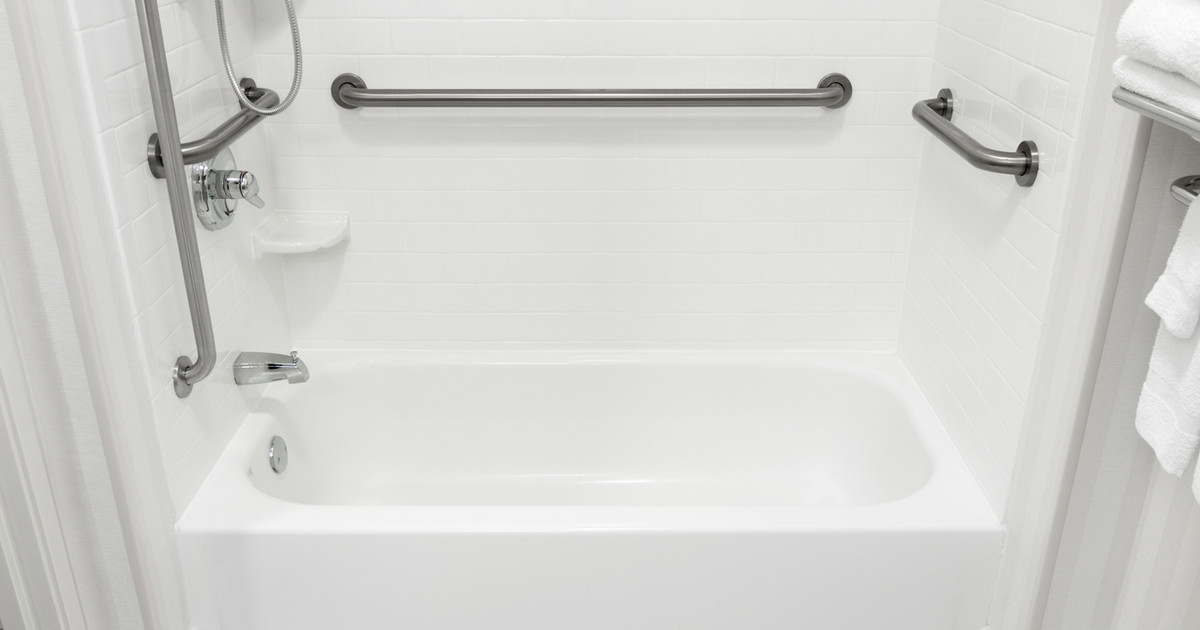
Many people hesitate when assistive equipment is suggested, worried it means they are becoming dependent. In reality, the right equipment often does the opposite. It removes unnecessary barriers, conserves energy, and helps you stay active, independent and engaged in the activities that matter most.

Returning to Work After Persistent Pain
For many people, returning to work is an important milestone in recovery. It represents more than earning an income — it can restore routine, confidence, social connection and a sense of purpose. Returning successfully, though, is rarely about waiting until you are completely pain free. It is about rebuilding your work capacity gradually, with the right support and realistic expectations.

Why Exercise Is One of the Best Pain Medicines
Many people living with persistent pain worry that exercise will make it worse. Yet decades of research consistently show that appropriately prescribed exercise is one of the most effective long-term treatments for persistent pain. Understanding why exercise works, and how to begin safely, can completely change the way you think about movement and recovery.

Finding the Right Exercise for You
There is no single "best" exercise for persistent pain. The most effective exercise is one that matches your current abilities, supports your goals, and is something you can keep doing over time. Understanding the different types of exercise can help you build a balanced program that improves strength, fitness, confidence and everyday function.

Getting Started Safely
Starting an exercise program after living with persistent pain can feel intimidating. Many people worry about making their pain worse or causing further damage. The good news is that, with the right approach, exercise is both safe and one of the most effective ways to rebuild confidence, strength and physical capacity. Success rarely comes from doing more — it comes from starting well.
Stretching for Comfort and Confidence
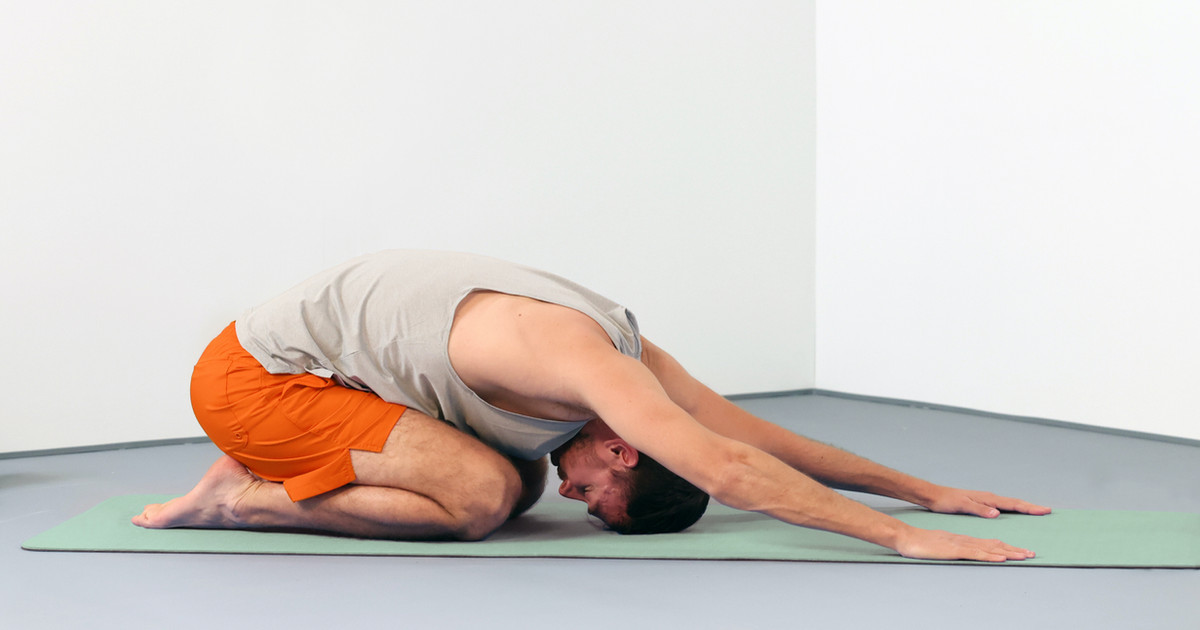
Many people living with persistent pain notice their body feels stiff, tight or hard to move, particularly after sitting for long periods or first thing in the morning. Gentle stretching can help restore comfortable movement, reduce muscle tension and improve confidence, making everyday activities easier and preparing your body for other forms of exercise.

Building Strength That Supports Everyday Life
When people hear the words strength training, they often picture heavy weights, gyms and intense workouts. In reality, strength is much simpler than that. Every time you stand from a chair, climb stairs, carry shopping or lift a grandchild, you rely on your muscles. Building strength isn't about becoming stronger than everyone else — it's about making everyday life easier.

Building Capacity Through Graded Progression
Recovery from persistent pain is rarely about dramatic leaps forward. More often, it is built through small, planned increases in activity that let your body and nervous system adapt over time. Graded progression helps you steadily build physical capacity while reducing the risk of setbacks that occur when you do too much, too soon.
Creating an Exercise Plan That Lasts
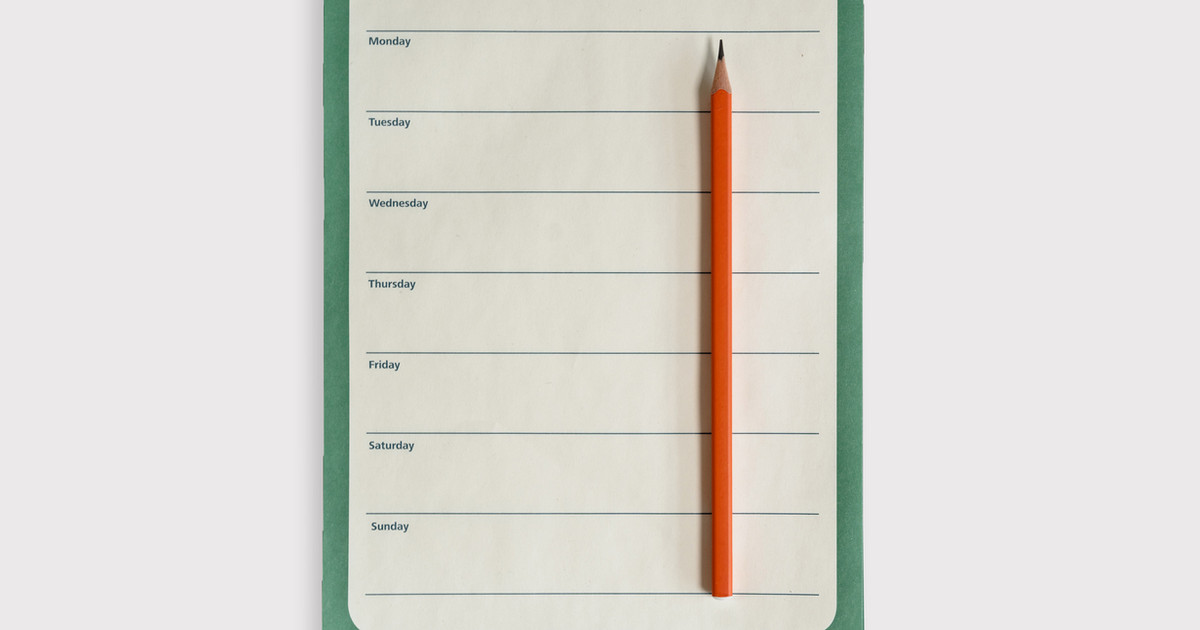
Starting an exercise program is an important first step, but lasting recovery comes from making movement a regular part of your life. A successful exercise plan isn't the most demanding one — it's the one you can continue next week, next month and next year. Building a sustainable routine lets your body keep adapting and your confidence keep growing.

Hydrotherapy: Moving More Comfortably in Water
For some people living with persistent pain, exercising on land can feel difficult or intimidating. Warm water provides a supportive environment that reduces the effects of gravity, making movement feel easier while still allowing muscles and joints to work. Hydrotherapy can be an excellent way to begin rebuilding strength, confidence and physical capacity.

Exercising During a Pain Flare-Up
Pain flare-ups are a normal part of living with persistent pain and can be discouraging, particularly when they interrupt your exercise routine. Many people respond by stopping all activity until the pain settles. While short periods of rest may sometimes be appropriate, staying completely inactive often makes recovery harder. Learning how to modify your exercise during a flare-up can help you maintain progress and rebuild confidence.
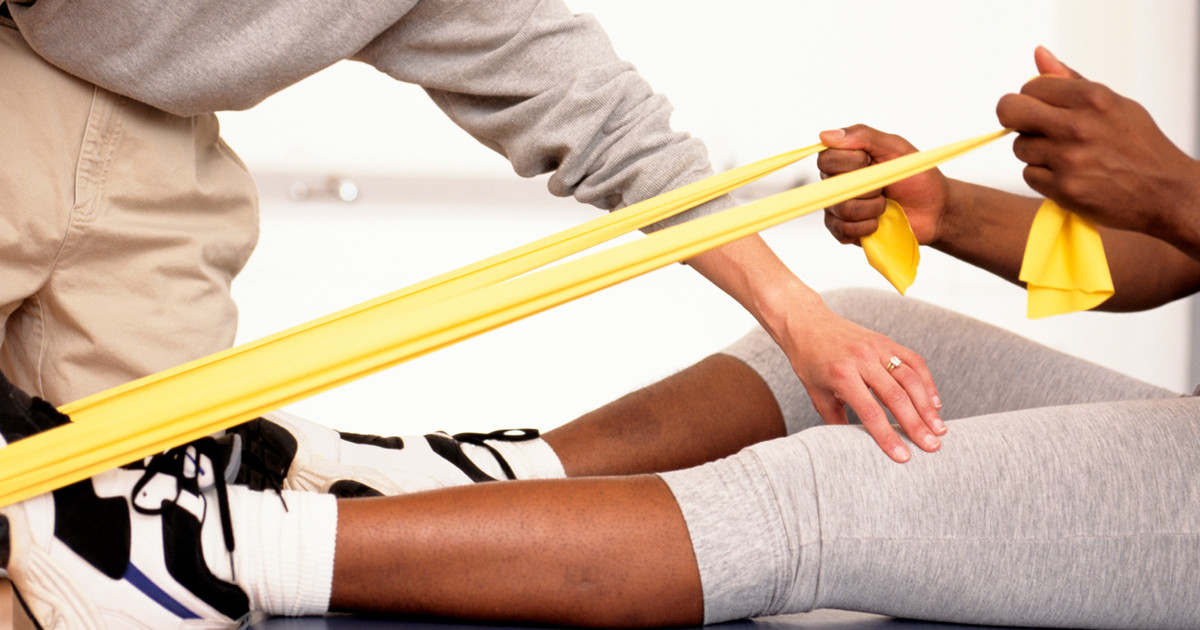
Resistance Bands and Home Exercise Programs
Building strength doesn't require expensive equipment or a gym membership. Many of the most effective rehabilitation exercises can be performed safely at home using your own body weight or simple resistance bands. The key to success isn't having the latest equipment — it's creating a routine that is practical, progressive and easy to maintain.

Measuring Progress Beyond Pain
One of the greatest challenges of living with persistent pain is that pain often becomes the only measure of progress. Yet recovery is about much more than pain intensity. Improvements in strength, confidence, function, participation and quality of life often occur long before pain changes significantly. Learning to recognise these improvements can help you stay motivated and appreciate how far you've come.

Tai Chi: Building Strength, Balance and Confidence
Tai Chi is often described as "meditation in motion." Combining slow, flowing movements with controlled breathing and focused attention, it has become one of the most well-researched complementary therapies for persistent pain. For many people, it offers a gentle and enjoyable way to improve movement, balance, confidence and overall wellbeing.

Understanding Osteopathy
Osteopathy is a hands-on healthcare profession that focuses on improving movement, reducing pain and restoring function. Rather than treating a single painful body part in isolation, osteopaths consider how the body works as a connected system. For many people with persistent musculoskeletal pain, osteopathy can provide short-term symptom relief while supporting a broader active rehabilitation program.

Massage Therapy: More Than Relaxation
Most people think of massage as a way to relax, but for people living with persistent pain it can do more. Massage therapy can reduce muscle tension, calm an overactive nervous system, and create a window where movement feels easier. While the benefits are often temporary, massage can be a valuable part of a broader rehabilitation program when combined with active self-management.

Pilates: Building Control, Strength and Confidence
Pilates is often associated with strong core muscles and improved posture, but its benefits extend much further. By emphasising slow, controlled movement, body awareness and progressive strengthening, Pilates can help people living with persistent pain rebuild confidence in movement while improving strength, flexibility and everyday function.
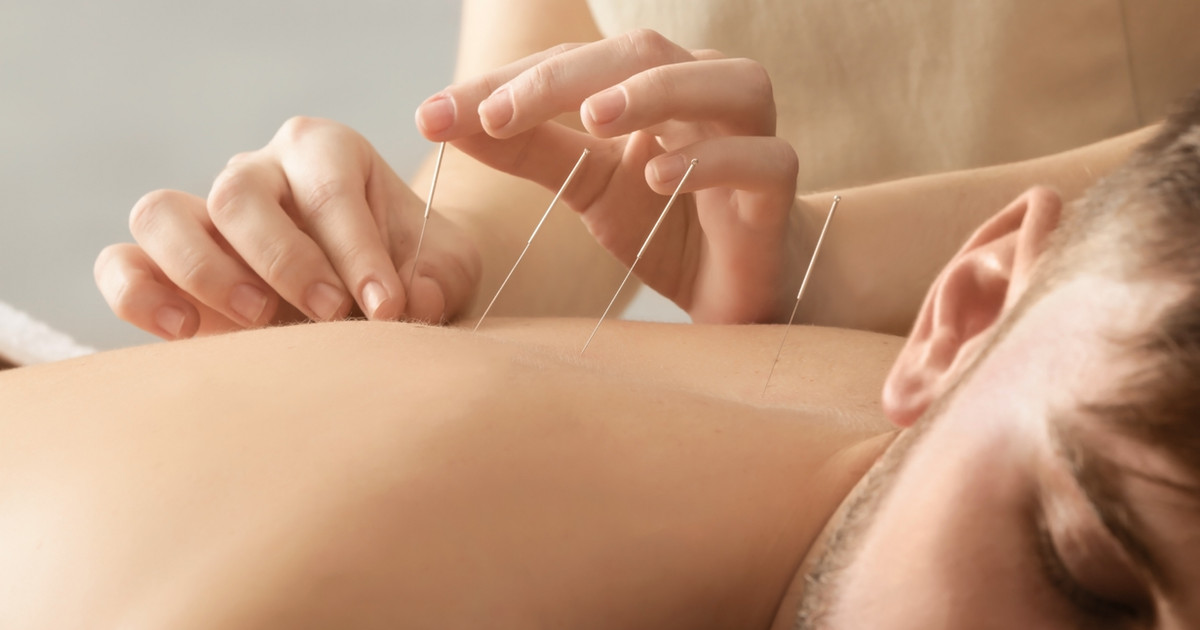
Understanding Acupuncture
Acupuncture is one of the most widely recognised complementary therapies for persistent pain, yet also one of the most misunderstood. While its traditional origins are thousands of years old, modern research has shown it can provide meaningful relief for some pain conditions. Understanding what the evidence says, and what it doesn't, can help you decide whether acupuncture has a place in your rehabilitation.

Understanding Chiropractic Care
Chiropractic care is one of the most recognised, and sometimes misunderstood, forms of musculoskeletal treatment. While opinions vary, the evidence shows it can be an effective option for some people with persistent spinal pain. Understanding what chiropractors do, what the research supports, and where chiropractic fits within a broader rehabilitation program can help you make an informed decision.

Choosing the Right Complementary Therapy for You
With so many complementary therapies available, deciding where to begin can feel overwhelming. Friends, family, social media and the internet often provide conflicting advice. The best choice isn't necessarily the most popular therapy — it's the one that aligns with your goals, your preferences, and the evidence for your particular situation.

Finding a Qualified Practitioner in Australia
Finding the right therapy is only part of the decision. Equally important is finding the right practitioner. Qualifications, experience and communication style can significantly influence your treatment experience and outcomes. Knowing what to look for can help you choose a practitioner who provides safe, evidence-informed care that supports your long-term recovery.

Rebuilding a Meaningful Life After Persistent Pain
Persistent pain changes more than the body. It can affect relationships, work, recreation, confidence and even the way you see yourself. Recovery isn't simply about reducing pain; it's about rebuilding a life that feels meaningful, purposeful and worth living. Although that life may look different from before, it can still be rich, rewarding and deeply fulfilling.

Finding Meaning Through Recreation and Connection
When pain becomes a daily companion, recreation is often one of the first things to disappear. Hobbies are abandoned, social invitations declined, and enjoyable activities gradually become memories rather than experiences. Yet recreation and connection are not luxuries to return to once pain improves; they are an important part of improving wellbeing and rebuilding a meaningful life.

Returning to Work with Persistent Pain
For many people, work is about much more than earning an income. It provides routine, purpose, social connection and a sense of contribution. Persistent pain can make returning to work feel uncertain, but with realistic expectations, appropriate support and a gradual approach, many people successfully return to meaningful employment while continuing to manage their pain.

When It's Time to Rethink Your Career
For some people, returning to their previous job simply isn't possible. That can be one of the hardest realities to accept. Yet changing careers doesn't mean giving up on meaningful work. It can become an opportunity to build a working life that better supports your health, your strengths and your future.

Your Rights and Supports in Australia
Living with persistent pain can make work, study and daily life more challenging, but you don't have to navigate those challenges alone. Australia has a range of workplace protections, rehabilitation services and government programs designed to help people with long-term health conditions remain engaged in work and community life. Understanding what's available helps you make informed decisions and advocate for yourself with confidence.

Preparing for Conversations with Your Employer
Talking to your employer about persistent pain can feel daunting. Many people worry about being judged, treated differently, or becoming a burden. Preparing for the conversation helps you focus on practical solutions, explain what support would help, and work collaboratively towards a safe, sustainable plan.

Creating Your Personal Life Rebuild Plan
Persistent pain can leave life feeling uncertain, but recovery is about more than managing symptoms. It is about intentionally creating a future that reflects what matters most to you. A personal life rebuild plan brings together everything you have learned throughout this program and turns it into practical actions that support participation, purpose and long-term wellbeing.

Understanding Procedure-Based Interventions
Most people living with persistent pain improve through a combination of education, movement, medication, psychological strategies and active rehabilitation. For some, however, these approaches do not provide enough relief on their own. Procedure-based interventions can sometimes reduce pain, improve function or clarify a diagnosis, creating new opportunities to continue rehabilitation. Understanding where these procedures fit, and where they don't, can help you make informed decisions if they are ever recommended.
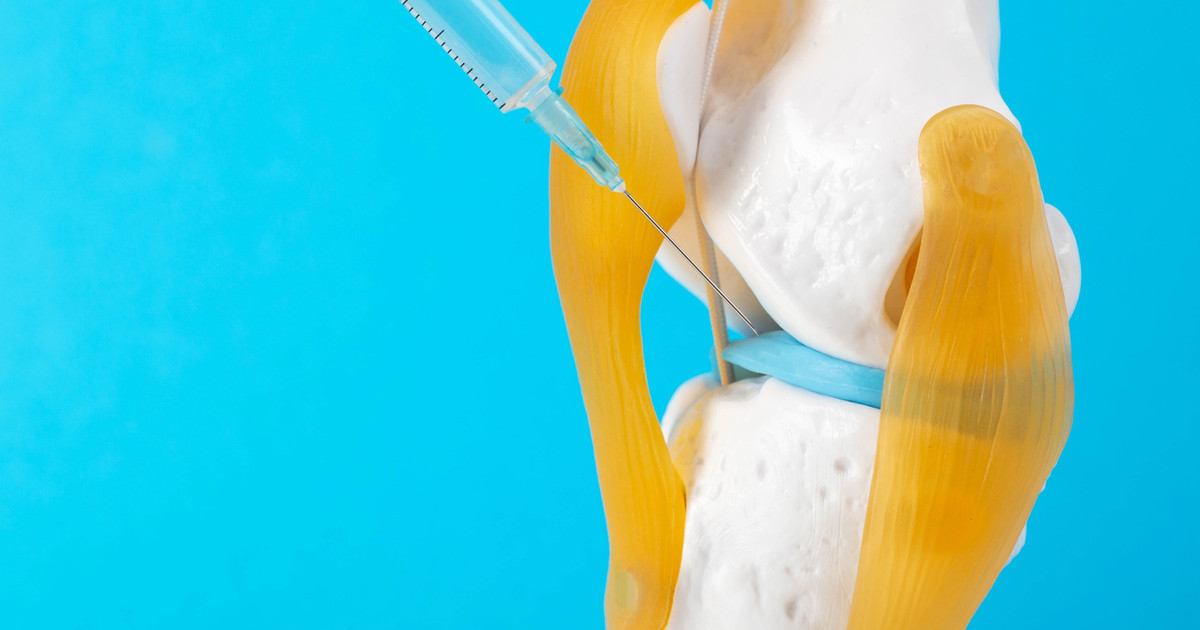
Joint and Epidural Steroid Injections
Joint injections and epidural steroid injections are among the most commonly performed procedures for persistent musculoskeletal pain. While they can provide meaningful relief for some people, they are not appropriate for every condition and rarely provide a permanent solution. Understanding what these procedures are designed to achieve can help you make informed decisions and develop realistic expectations.
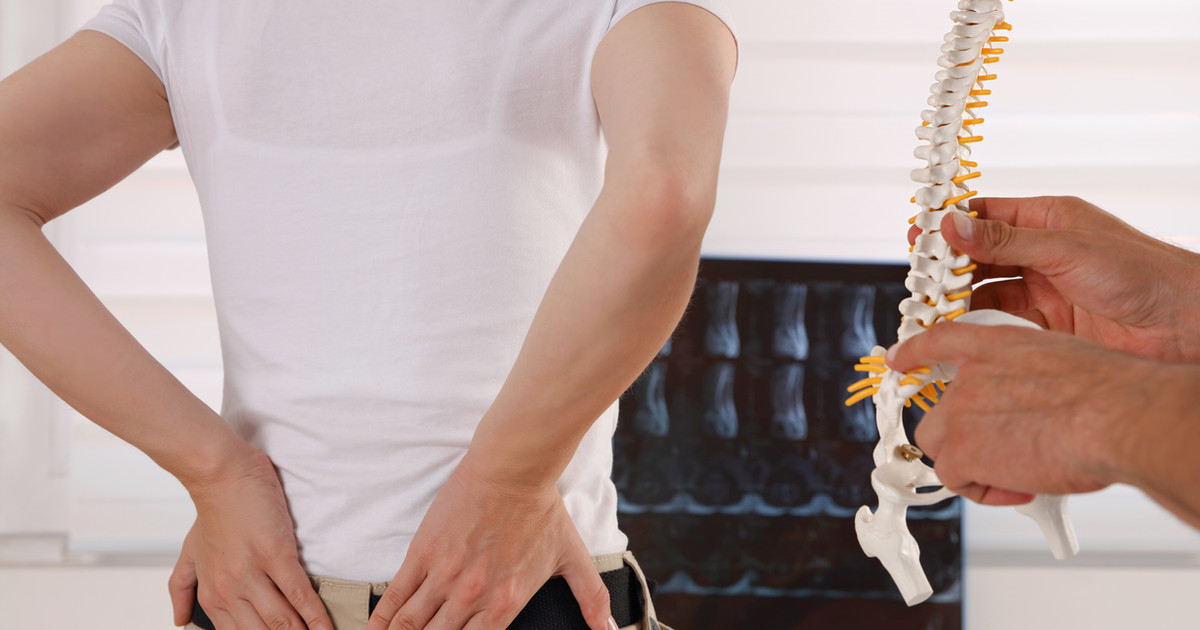
Nerve Blocks and Radiofrequency Ablation
Not all pain comes from muscles or joints. Sometimes the nerves carrying pain signals, or the small nerves supplying painful joints, become the focus of treatment. Nerve blocks and radiofrequency ablation are procedures designed to identify or reduce pain from specific structures. Understanding what these procedures are, and what they are not, can help you decide whether they may be appropriate for your situation.
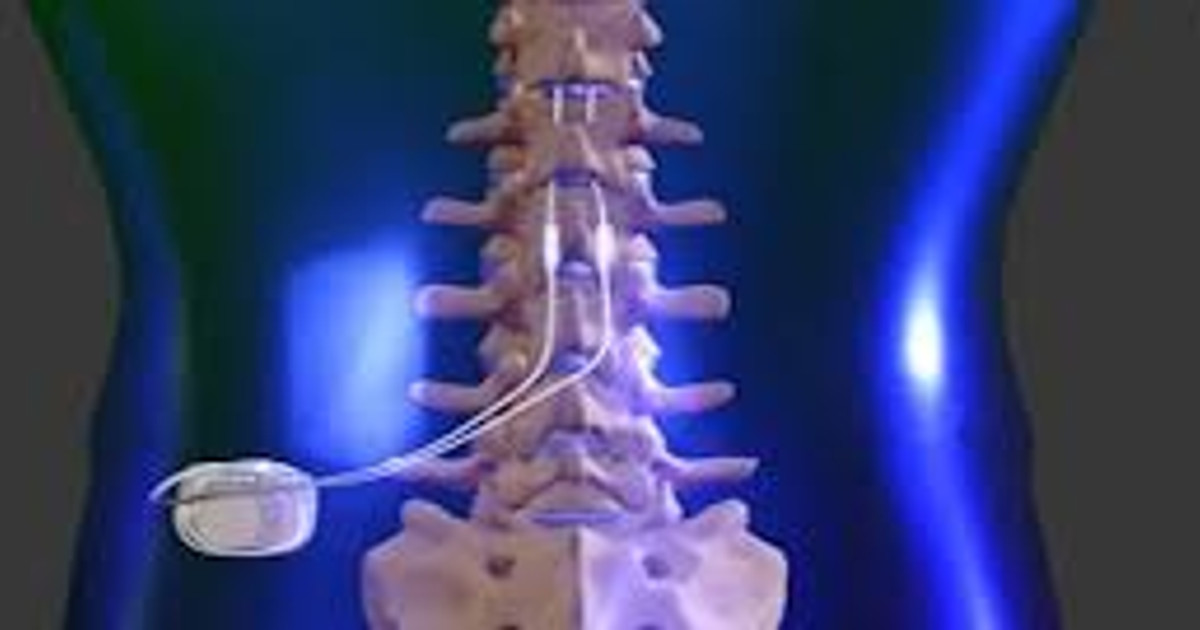
Spinal Cord Stimulation and Intrathecal Pain Pumps
Most people living with persistent pain will never require an implanted pain management device. However, for carefully selected individuals whose pain has not responded to other treatments, technologies such as spinal cord stimulation and intrathecal pain pumps may provide meaningful improvements in pain, function and quality of life. Understanding what these treatments involve can help you make informed decisions if they are ever discussed as part of your care.

Trigger Point Injections and Other Targeted Procedures
Not all pain procedures involve the spine or major joints. Some treatments are designed to target specific muscles, tendons or soft tissues that contribute to pain and reduced movement. While these procedures may provide temporary relief for carefully selected people, they are most effective when used to support active rehabilitation rather than as standalone treatments.

Making Informed Decisions About Procedures
Choosing whether to have a pain procedure is rarely a simple yes-or-no decision. Every treatment has potential benefits, limitations and risks, and the right choice depends on your goals, your circumstances and the evidence for your condition. Understanding how to ask the right questions and take part in shared decision-making helps ensure any procedure supports your long-term recovery rather than becoming a treatment you simply hope will solve everything.

Preparing for Your Pain Specialist Appointment
Seeing a pain specialist can feel like an important milestone in your recovery. Many people arrive hoping for answers but leave wishing they had asked different questions or brought more information. A little preparation can help you get the most from your appointment, make informed decisions, and work with your specialist to develop a treatment plan that reflects your goals.

Getting the Most From a Pain Procedure
A successful pain procedure is not the end of treatment; it is often the beginning of the next stage of recovery. Whether a procedure reduces pain for a few weeks or several months, the greatest long-term benefits usually come from how you use that opportunity. Continuing rehabilitation, rebuilding strength, and gradually increasing participation can help turn temporary pain relief into lasting improvements in function and quality of life.