top of page
Manage Pain Knowledge Base

Explore topics that interest you

A person discussing their medicines with a GP as part of a broader pain management plan involving movement, education and self-management.

Understanding the Role of Medicines in Persistent Pain

Medicines can play an important role in managing persistent pain, but they are only one part of effective treatment. Understanding what medicines can—and cannot—do helps you make informed decisions and use them as part of a broader plan to improve function, participation and quality of life.

A pharmacist discussing different types of pain medicines with a patient to support safe and effective pain management.

Understanding Common Pain Medicines

Many different medicines are used to manage persistent pain, and each works in a different way. Understanding the purpose, benefits and limitations of common pain medicines can help you make informed decisions and work with your healthcare team to find the approach that best supports your goals.
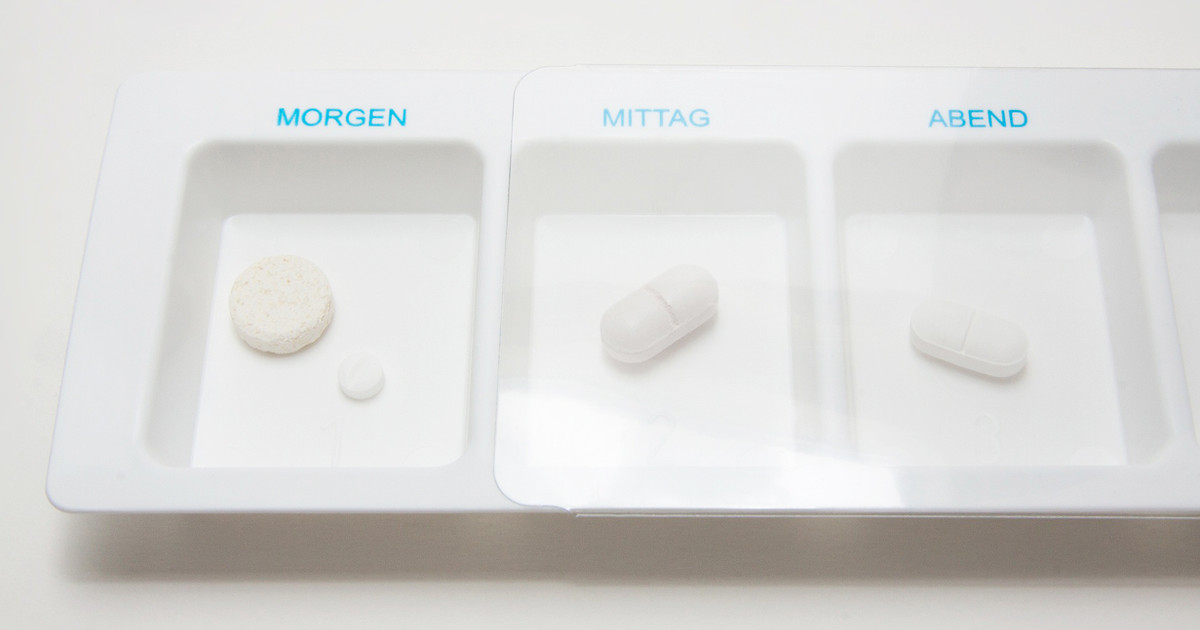

A person reviewing their medicines with a pharmacist to ensure they are using them safely and effectively.

Using Medicines Safely

All medicines have potential benefits and risks. Understanding how to use medicines safely, recognise side effects, and know when to seek advice can help you get the most from your treatment while reducing the risk of harm.

A GP and patient reviewing a personalised medication plan with a focus on improving function, participation and quality of life.

Creating Your Medication Plan

There is no single medicine or medication plan that works for everyone living with persistent pain. Effective medication management means developing an individualised plan that reflects your goals, health needs and daily activities, and reviewing it regularly to ensure it keeps providing more benefit than harm.

A person participating in exercise with support from their healthcare team, demonstrating how medicines can assist participation in a broader pain management plan.

Medicines as Part of Your Pain Management Plan

Medicines can help manage persistent pain, but they work best combined with other evidence-informed approaches. Lasting improvements usually come from a multidisciplinary plan that includes movement, education, psychological strategies, healthy lifestyle habits and active self-management.

A GP and pharmacist reviewing a patient's medicines together to ensure they remain safe, effective and aligned with the person's treatment goals.

Medication Reviews and Your Healthcare Team

Your medication needs may change over time. Regular medication reviews help ensure your medicines keep providing benefit, keep side effects to a minimum, and support your goals. Working with your GP, pharmacist and others keeps your treatment safe, effective and focused on your quality of life.


A person reviewing their medicines and setting goals with a healthcare professional to develop a personalised medication management plan.

Creating Your Personal Medication Plan

Effective medication management is about more than simply taking medicines. It means understanding why you take each one, knowing what you hope it will achieve, reviewing your progress, and working with your team to keep your treatment supporting your goals.

A patient discussing medical cannabis treatment options with a healthcare professional as part of an evidence-informed pain management plan.

Understanding Medical Cannabis for Persistent Pain

Medical cannabis has drawn significant attention as a possible treatment for persistent pain. Some people may benefit, but the evidence continues to evolve and it is not suitable for everyone. Understanding what it is, what current research shows, and where it may fit can help you make informed decisions with your healthcare team.

©2026 by Pain Education and Management.

  • Instagram
  • LinkedIn
  • Facebook
Acknowledgement of country

Pain Education and Management acknowledges the Traditional Owners of country throughout Australia where we work and live and their connections to land, water and community. 

As we go about our work and life on these lands, we pay our respect to their Elders past, present and emerging. We extend that respect to all Aboriginal and Torres Strait Islander peoples who also work and live on this land.

bottom of page