
Manage Pain Knowledge Base
Explore topics that interest you


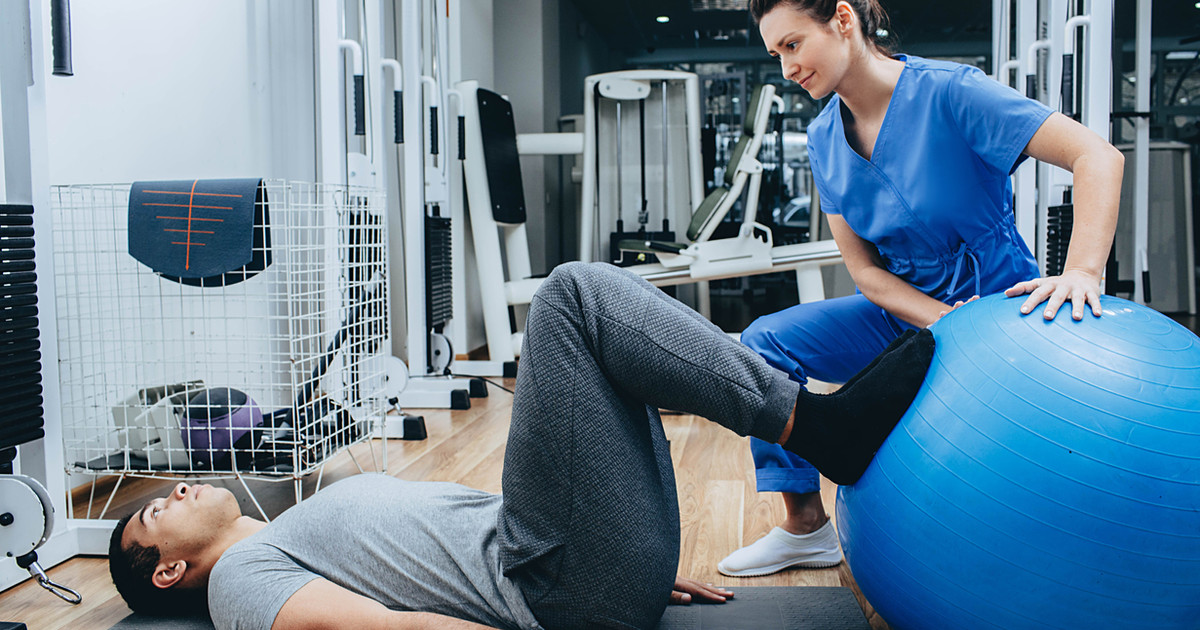
Why Your Body Feels Different Now
Persistent pain can change how your body feels and moves. This article explains the changes many people notice, including a more sensitive nervous system, ongoing stress responses, reduced fitness and altered movement patterns. It also explains why a gradual, well-paced return to movement can help rebuild strength, confidence and everyday function.
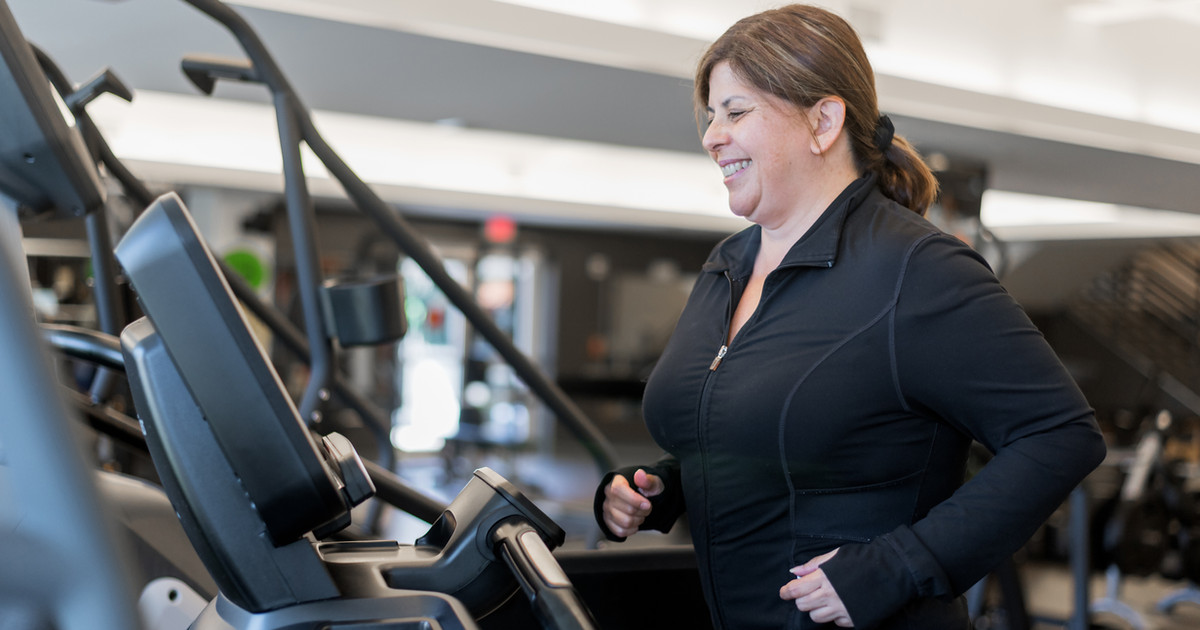
Why Movement Is the Answer
Worry about moving is common when pain persists. This article explains why gradual, well-planned movement is one of the most effective treatments for persistent pain, how it can rebuild strength and confidence, and how to find a pace that avoids both flare-ups and further deconditioning.

Walking Well Again
Walking is one of the most important movements we perform every day, yet it is often one of the first activities affected by persistent pain. This article explains why walking changes, how those changes can contribute to ongoing pain, and how gradual reconditioning can help restore confidence, mobility and independence.

Moving Through Everyday Life
Persistent pain affects much more than exercise. It changes how we move through everyday life — getting out of a chair, climbing stairs, carrying shopping or reaching into a cupboard. Reconditioning these everyday movements is one of the most effective ways to regain independence, confidence and quality of life.
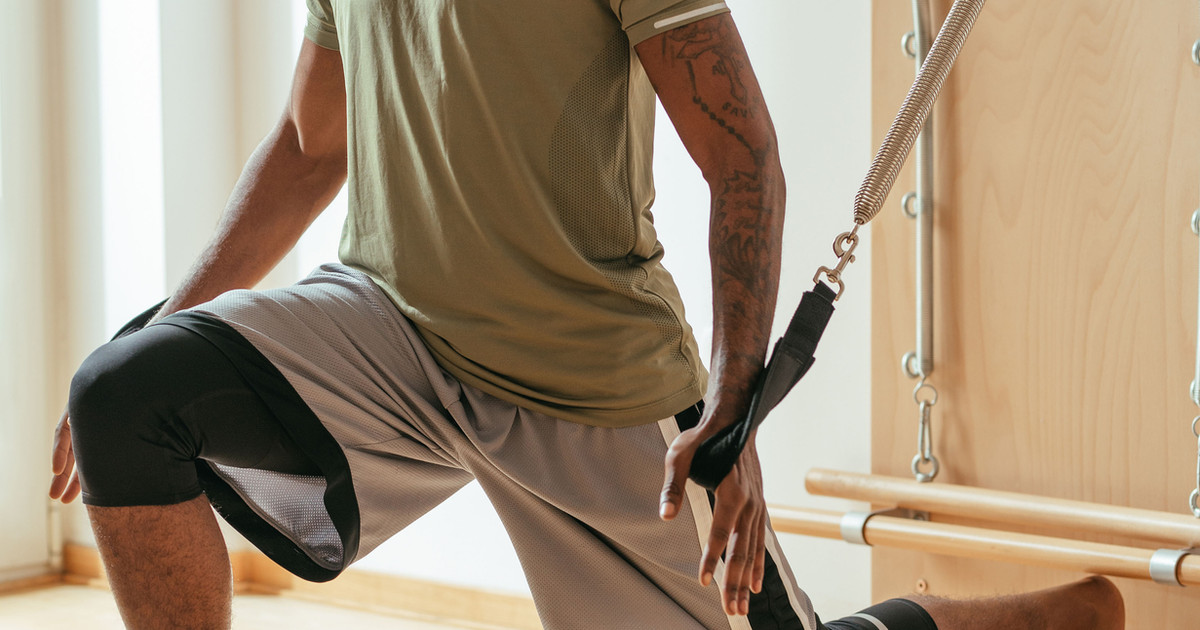
Building a Strong Foundation
Moving well is about more than strength alone. Good movement relies on stability, balance, coordination and body awareness working together. Building these foundations helps you move more efficiently, reduces unnecessary strain, and gives you greater confidence to take part in everyday activities.
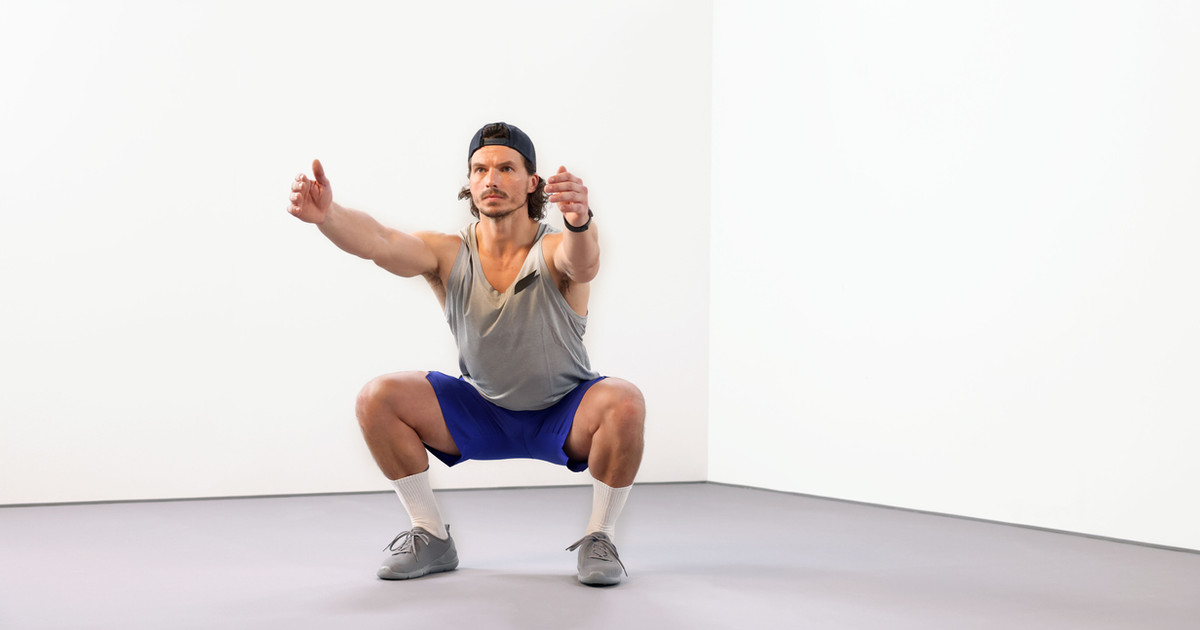
How Your Body Works as a Whole
Your body is designed to move as one connected system. Muscles, joints, bones and the nervous system all work together to produce efficient movement. Persistent pain can disrupt these connections, but rehabilitation helps restore the way your body works together, making movement feel easier, more confident and more efficient.

Working With Your Rehabilitation Team
Recovering from persistent pain is rarely something you need to do alone. Physiotherapists and Accredited Exercise Physiologists are experts in helping people safely rebuild movement, strength, confidence and function. Working with your broader healthcare team, they can help you develop a personalised rehabilitation program that supports long-term recovery.

Why Exercise Is One of the Best Pain Medicines
Many people living with persistent pain worry that exercise will make it worse. Yet decades of research consistently show that appropriately prescribed exercise is one of the most effective long-term treatments for persistent pain. Understanding why exercise works, and how to begin safely, can completely change the way you think about movement and recovery.

Finding the Right Exercise for You
There is no single "best" exercise for persistent pain. The most effective exercise is one that matches your current abilities, supports your goals, and is something you can keep doing over time. Understanding the different types of exercise can help you build a balanced program that improves strength, fitness, confidence and everyday function.
Getting Started Safely
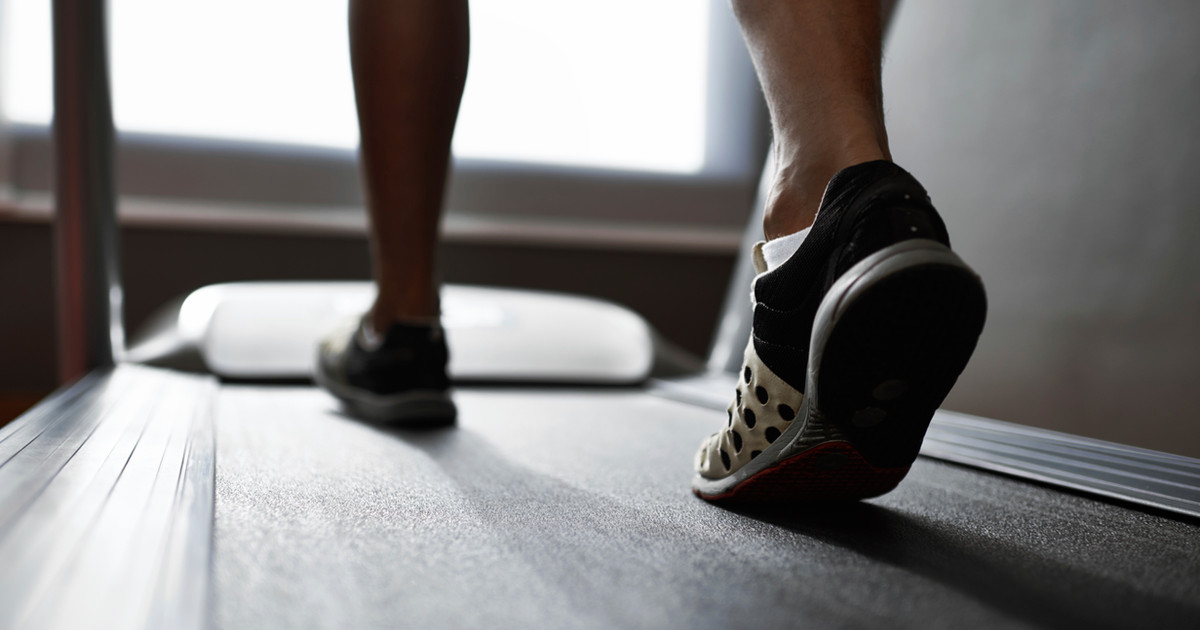
Starting an exercise program after living with persistent pain can feel intimidating. Many people worry about making their pain worse or causing further damage. The good news is that, with the right approach, exercise is both safe and one of the most effective ways to rebuild confidence, strength and physical capacity. Success rarely comes from doing more — it comes from starting well.
Stretching for Comfort and Confidence
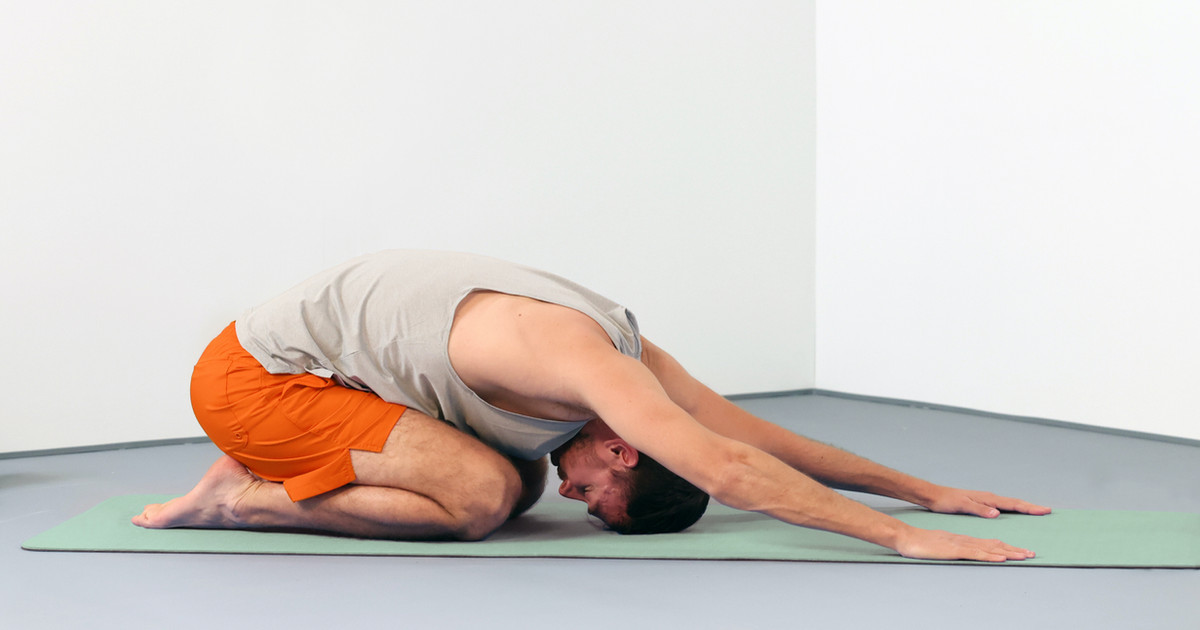
Many people living with persistent pain notice their body feels stiff, tight or hard to move, particularly after sitting for long periods or first thing in the morning. Gentle stretching can help restore comfortable movement, reduce muscle tension and improve confidence, making everyday activities easier and preparing your body for other forms of exercise.
Building Strength That Supports Everyday Life
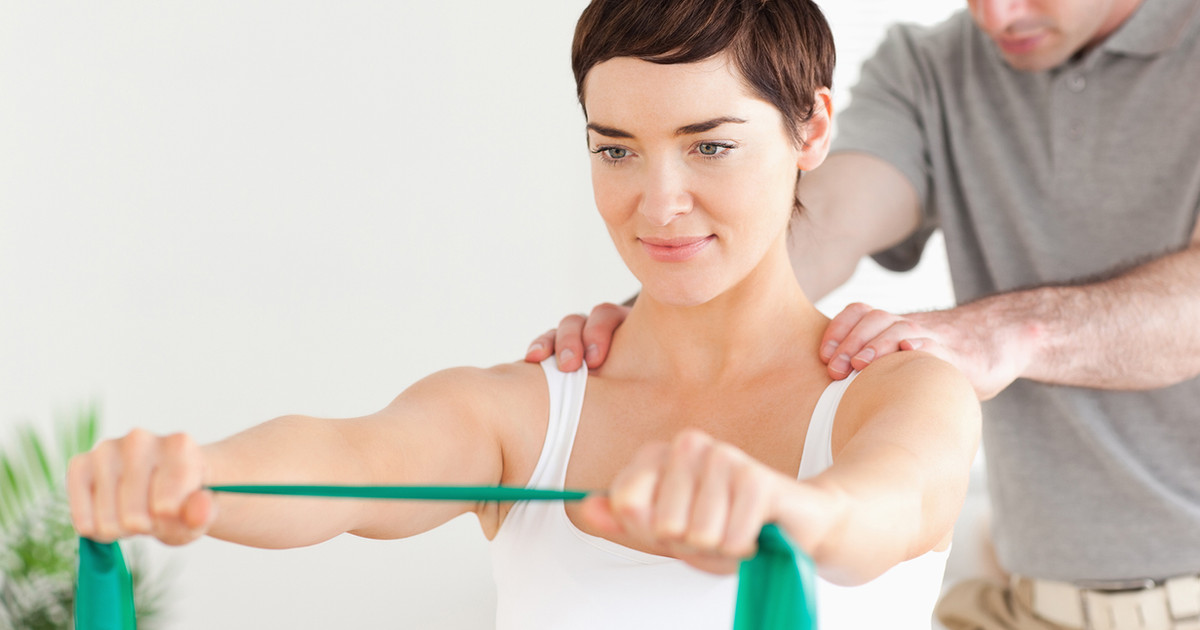
When people hear the words strength training, they often picture heavy weights, gyms and intense workouts. In reality, strength is much simpler than that. Every time you stand from a chair, climb stairs, carry shopping or lift a grandchild, you rely on your muscles. Building strength isn't about becoming stronger than everyone else — it's about making everyday life easier.
Building Capacity Through Graded Progression
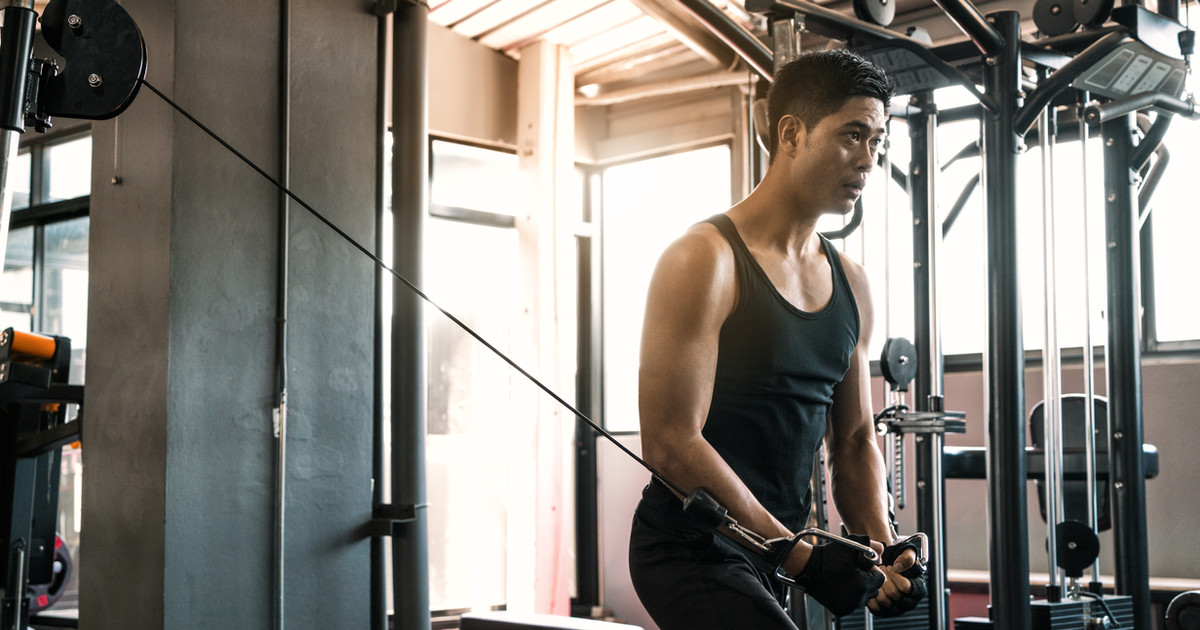
Recovery from persistent pain is rarely about dramatic leaps forward. More often, it is built through small, planned increases in activity that let your body and nervous system adapt over time. Graded progression helps you steadily build physical capacity while reducing the risk of setbacks that occur when you do too much, too soon.
Creating an Exercise Plan That Lasts
Starting an exercise program is an important first step, but lasting recovery comes from making movement a regular part of your life. A successful exercise plan isn't the most demanding one — it's the one you can continue next week, next month and next year. Building a sustainable routine lets your body keep adapting and your confidence keep growing.

Hydrotherapy: Moving More Comfortably in Water
For some people living with persistent pain, exercising on land can feel difficult or intimidating. Warm water provides a supportive environment that reduces the effects of gravity, making movement feel easier while still allowing muscles and joints to work. Hydrotherapy can be an excellent way to begin rebuilding strength, confidence and physical capacity.

Exercising During a Pain Flare-Up
Pain flare-ups are a normal part of living with persistent pain and can be discouraging, particularly when they interrupt your exercise routine. Many people respond by stopping all activity until the pain settles. While short periods of rest may sometimes be appropriate, staying completely inactive often makes recovery harder. Learning how to modify your exercise during a flare-up can help you maintain progress and rebuild confidence.
Resistance Bands and Home Exercise Programs
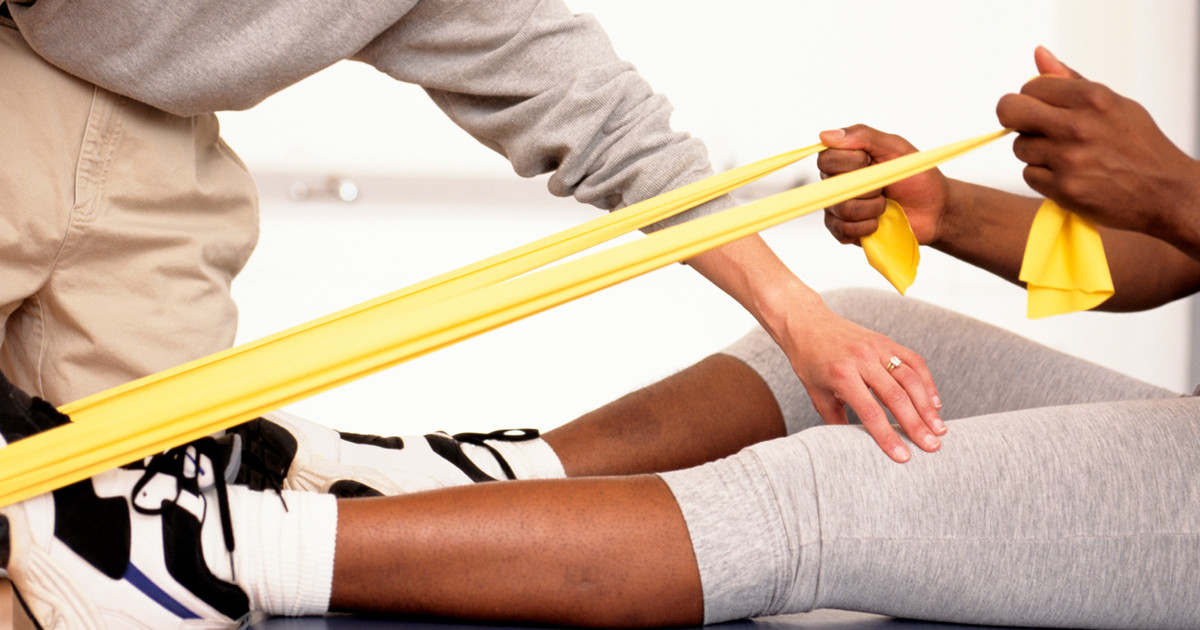
Building strength doesn't require expensive equipment or a gym membership. Many of the most effective rehabilitation exercises can be performed safely at home using your own body weight or simple resistance bands. The key to success isn't having the latest equipment — it's creating a routine that is practical, progressive and easy to maintain.

Measuring Progress Beyond Pain
One of the greatest challenges of living with persistent pain is that pain often becomes the only measure of progress. Yet recovery is about much more than pain intensity. Improvements in strength, confidence, function, participation and quality of life often occur long before pain changes significantly. Learning to recognise these improvements can help you stay motivated and appreciate how far you've come.

Tai Chi: Building Strength, Balance and Confidence
Tai Chi is often described as "meditation in motion." Combining slow, flowing movements with controlled breathing and focused attention, it has become one of the most well-researched complementary therapies for persistent pain. For many people, it offers a gentle and enjoyable way to improve movement, balance, confidence and overall wellbeing.
Pilates: Building Control, Strength and Confidence
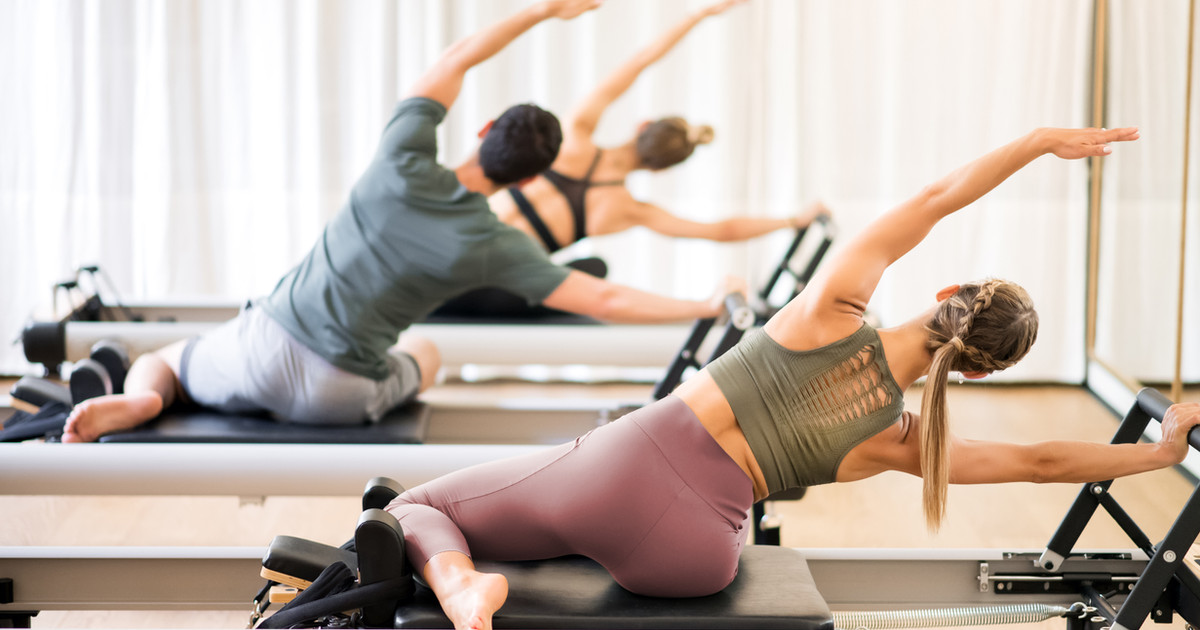
Pilates is often associated with strong core muscles and improved posture, but its benefits extend much further. By emphasising slow, controlled movement, body awareness and progressive strengthening, Pilates can help people living with persistent pain rebuild confidence in movement while improving strength, flexibility and everyday function.