
Manage Pain Knowledge Base
Explore topics that interest you


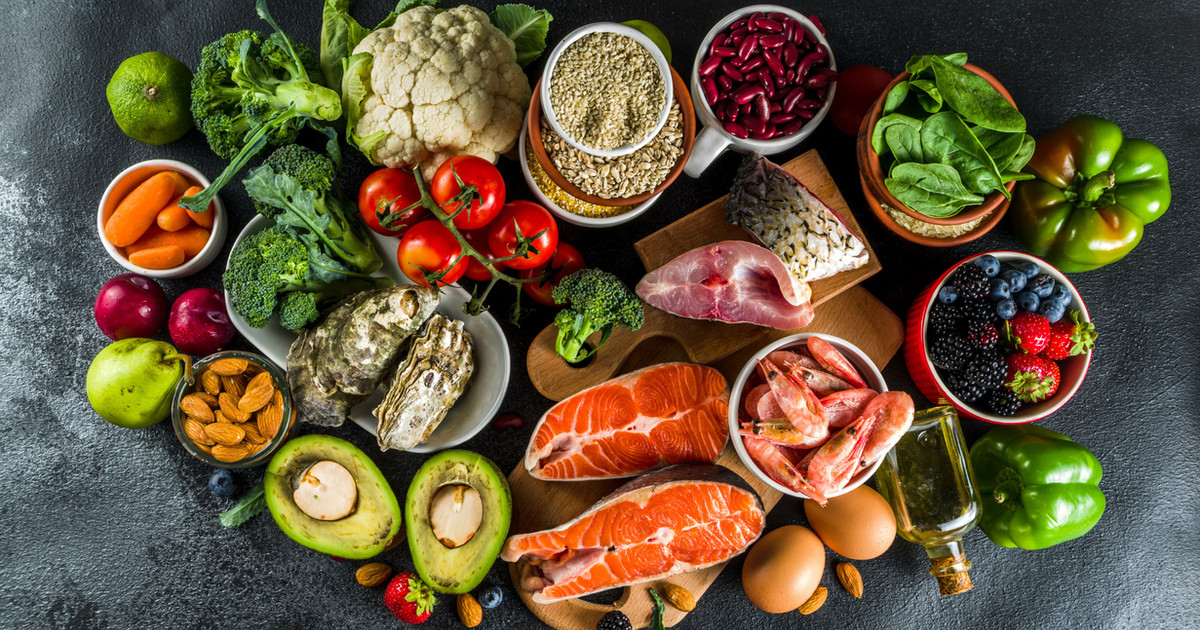
Why Nutrition Matters in Persistent Pain
Good nutrition supports overall health, recovery and wellbeing. Food is not a cure for persistent pain, but healthy eating can reduce its impact by supporting your body's normal functions, maintaining energy, improving general health, and helping you take part more fully in everyday life.
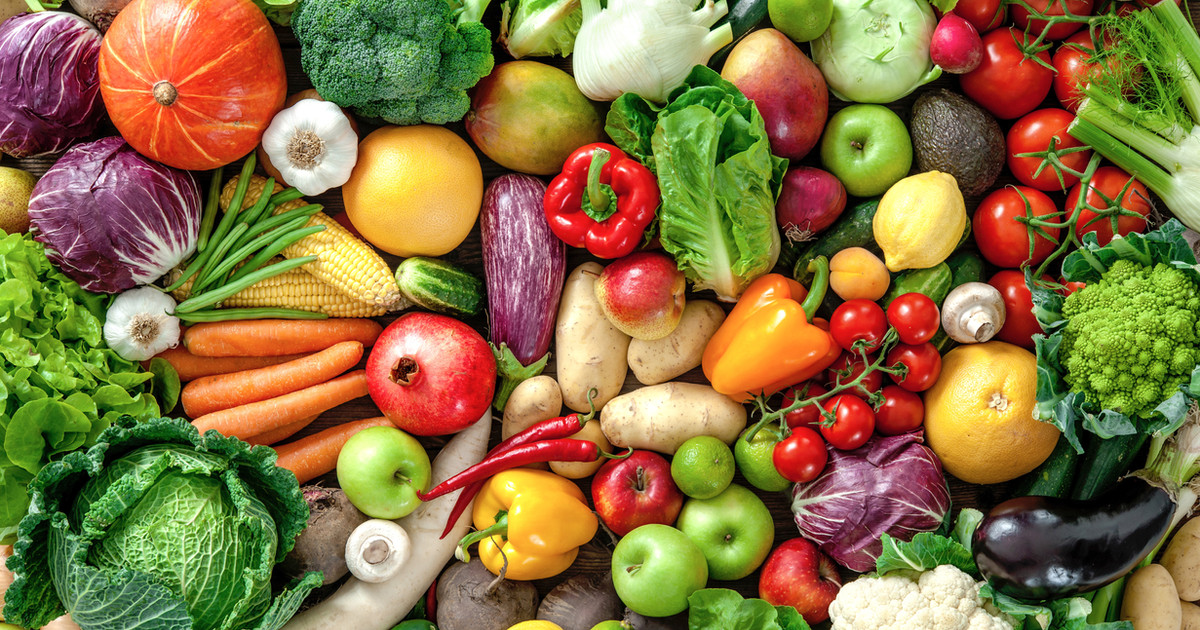
Eating to Support Recovery and Reduce Inflammation
The foods we eat influence many processes in the body, including inflammation, immune function and overall health. Rather than focusing on individual "superfoods" or restrictive diets, research shows that a balanced, whole-food eating pattern is the most effective way to support recovery and long-term wellbeing.


Healthy Weight, Energy and Hydration
Maintaining a healthy body weight, staying well hydrated, and eating enough nourishing food can improve energy, support movement, and reduce the impact of persistent pain on everyday life. The goal is not a perfect weight; it is supporting your body to function at its best.

Making Healthy Eating Work in Everyday Life
Knowing what to eat is only part of healthy eating. The biggest challenge for many people is putting healthy choices into practice. This article explores practical strategies to make healthy eating simpler, more affordable and more sustainable, even when living with persistent pain.

Working with an Accredited Practising Dietitian or Nutritionist
Most people can improve their nutrition by following healthy eating principles, but some situations call for more personalised advice. Accredited Practising Dietitians (APDs) are university-qualified nutrition experts who provide evidence-based assessment and individualised plans for specific health conditions. Nutritionists can also provide valuable support, particularly for general healthy eating and lifestyle guidance, though training and qualifications vary.


Understanding Dietary Supplements
Many people living with persistent pain consider dietary supplements to improve their symptoms. Some supplements may benefit certain individuals, but most are not a substitute for a healthy diet. Understanding the evidence can help you make informed decisions and avoid unnecessary cost or potential harm.

Understanding Anti-Inflammatory Eating Patterns
Many people living with persistent pain search for an "anti-inflammatory diet." No single eating pattern cures persistent pain, but research suggests diets rich in whole, minimally processed foods can support overall health and the body's normal inflammatory processes. This article explains what the evidence says and how to make practical, sustainable choices.

Nutrition for Different Health Conditions
Healthy eating principles apply to most people, but some medical conditions call for more personalised nutrition advice. Understanding when general healthy eating is enough, and when specialist guidance is appropriate, can help you make informed decisions and get the right support.