
Manage Pain Knowledge Base
Explore topics that interest you

Why Pain is More Than Physical – The Biopsychosocial Model Explained
Pain is not just about what is happening in your body. Biological, psychological and social factors all play a role in shaping how pain is experienced. This article explains the biopsychosocial model of pain in plain language and explores why understanding this approach can open up new and effective ways to manage persistent pain.

Working with Your Healthcare Team
Persistent pain often involves more than one kind of health professional. This article explains the roles of your GP, allied health team, pain specialists and health coaches, and why coordinated care, rather than fragmented separate appointments, tends to lead to better outcomes.

Understanding the Role of Medicines in Persistent Pain
Medicines can play an important role in managing persistent pain, but they are only one part of effective treatment. Understanding what medicines can—and cannot—do helps you make informed decisions and use them as part of a broader plan to improve function, participation and quality of life.

Creating Your Medication Plan
There is no single medicine or medication plan that works for everyone living with persistent pain. Effective medication management means developing an individualised plan that reflects your goals, health needs and daily activities, and reviewing it regularly to ensure it keeps providing more benefit than harm.


Understanding Operant Behavioural Therapy (OBT)
Operant Behavioural Therapy (OBT) is an evidence-based approach that focuses on changing behaviours rather than simply reducing pain. By encouraging gradual activity, reinforcing healthy behaviours, and reducing fear and avoidance, OBT helps people build confidence, improve function and regain participation in everyday life.

Understanding Dietary Supplements
Many people living with persistent pain consider dietary supplements to improve their symptoms. Some supplements may benefit certain individuals, but most are not a substitute for a healthy diet. Understanding the evidence can help you make informed decisions and avoid unnecessary cost or potential harm.

Understanding Manual Therapy
Manual therapy includes hands-on techniques used by physiotherapists and other trained health professionals to help reduce pain, improve movement and support rehabilitation. It can provide short-term symptom relief, but the best long-term outcomes come when manual therapy is combined with active rehabilitation and self-management.

Returning to Work After Persistent Pain
For many people, returning to work is an important milestone in recovery. It represents more than earning an income — it can restore routine, confidence, social connection and a sense of purpose. Returning successfully, though, is rarely about waiting until you are completely pain free. It is about rebuilding your work capacity gradually, with the right support and realistic expectations.

Understanding Osteopathy
Osteopathy is a hands-on healthcare profession that focuses on improving movement, reducing pain and restoring function. Rather than treating a single painful body part in isolation, osteopaths consider how the body works as a connected system. For many people with persistent musculoskeletal pain, osteopathy can provide short-term symptom relief while supporting a broader active rehabilitation program.

Understanding Chiropractic Care
Chiropractic care is one of the most recognised, and sometimes misunderstood, forms of musculoskeletal treatment. While opinions vary, the evidence shows it can be an effective option for some people with persistent spinal pain. Understanding what chiropractors do, what the research supports, and where chiropractic fits within a broader rehabilitation program can help you make an informed decision.

Understanding Procedure-Based Interventions
Most people living with persistent pain improve through a combination of education, movement, medication, psychological strategies and active rehabilitation. For some, however, these approaches do not provide enough relief on their own. Procedure-based interventions can sometimes reduce pain, improve function or clarify a diagnosis, creating new opportunities to continue rehabilitation. Understanding where these procedures fit, and where they don't, can help you make informed decisions if they are ever recommended.
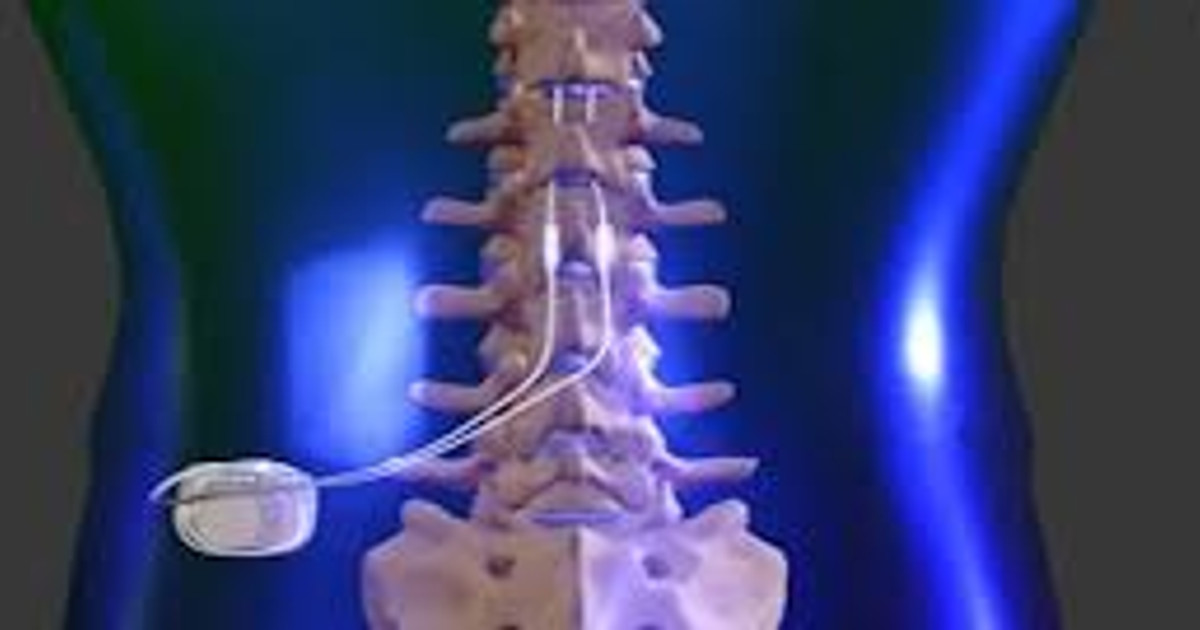
Spinal Cord Stimulation and Intrathecal Pain Pumps
Most people living with persistent pain will never require an implanted pain management device. However, for carefully selected individuals whose pain has not responded to other treatments, technologies such as spinal cord stimulation and intrathecal pain pumps may provide meaningful improvements in pain, function and quality of life. Understanding what these treatments involve can help you make informed decisions if they are ever discussed as part of your care.

Preparing for Your Pain Specialist Appointment
Seeing a pain specialist can feel like an important milestone in your recovery. Many people arrive hoping for answers but leave wishing they had asked different questions or brought more information. A little preparation can help you get the most from your appointment, make informed decisions, and work with your specialist to develop a treatment plan that reflects your goals.

Active, Passive and Self-Management Approaches to Pain
Not all pain treatments work the same way. Some are things done to you, some need your active participation, and some you can do on your own. This article explains the difference between passive, active and self-management approaches, and why active participation tends to matter most for lasting progress.

Taking Back Control Through Self-Management
Taking back control of persistent pain does not mean managing everything alone or finding one perfect fix. This article explains what self-management really involves, from self-care and coping skills to goal setting, pacing and tracking progress, and why these everyday practices make a genuine difference over time.

Understanding Common Pain Medicines
Many different medicines are used to manage persistent pain, and each works in a different way. Understanding the purpose, benefits and limitations of common pain medicines can help you make informed decisions and work with your healthcare team to find the approach that best supports your goals.

Medicines as Part of Your Pain Management Plan
Medicines can help manage persistent pain, but they work best combined with other evidence-informed approaches. Lasting improvements usually come from a multidisciplinary plan that includes movement, education, psychological strategies, healthy lifestyle habits and active self-management.

Understanding Medical Cannabis for Persistent Pain
Medical cannabis has drawn significant attention as a possible treatment for persistent pain. Some people may benefit, but the evidence continues to evolve and it is not suitable for everyone. Understanding what it is, what current research shows, and where it may fit can help you make informed decisions with your healthcare team.

Understanding Acceptance and Commitment Therapy (ACT)
Acceptance and Commitment Therapy (ACT) is an evidence-based psychological approach that helps people live meaningful lives despite persistent pain. Rather than trying to eliminate every painful thought or sensation, ACT teaches skills to respond more flexibly, focus on what matters most, and take positive action even when pain is present.

Nutrition for Different Health Conditions
Healthy eating principles apply to most people, but some medical conditions call for more personalised nutrition advice. Understanding when general healthy eating is enough, and when specialist guidance is appropriate, can help you make informed decisions and get the right support.

Understanding Occupational Therapy
Occupational therapy (OT) helps people living with persistent pain take part more fully in everyday life. Rather than focusing only on pain or physical capacity, occupational therapists work with you to understand what matters most and develop practical solutions that make those activities easier, safer and more achievable.

Hydrotherapy: Moving More Comfortably in Water
For some people living with persistent pain, exercising on land can feel difficult or intimidating. Warm water provides a supportive environment that reduces the effects of gravity, making movement feel easier while still allowing muscles and joints to work. Hydrotherapy can be an excellent way to begin rebuilding strength, confidence and physical capacity.

Massage Therapy: More Than Relaxation
Most people think of massage as a way to relax, but for people living with persistent pain it can do more. Massage therapy can reduce muscle tension, calm an overactive nervous system, and create a window where movement feels easier. While the benefits are often temporary, massage can be a valuable part of a broader rehabilitation program when combined with active self-management.

Choosing the Right Complementary Therapy for You
With so many complementary therapies available, deciding where to begin can feel overwhelming. Friends, family, social media and the internet often provide conflicting advice. The best choice isn't necessarily the most popular therapy — it's the one that aligns with your goals, your preferences, and the evidence for your particular situation.
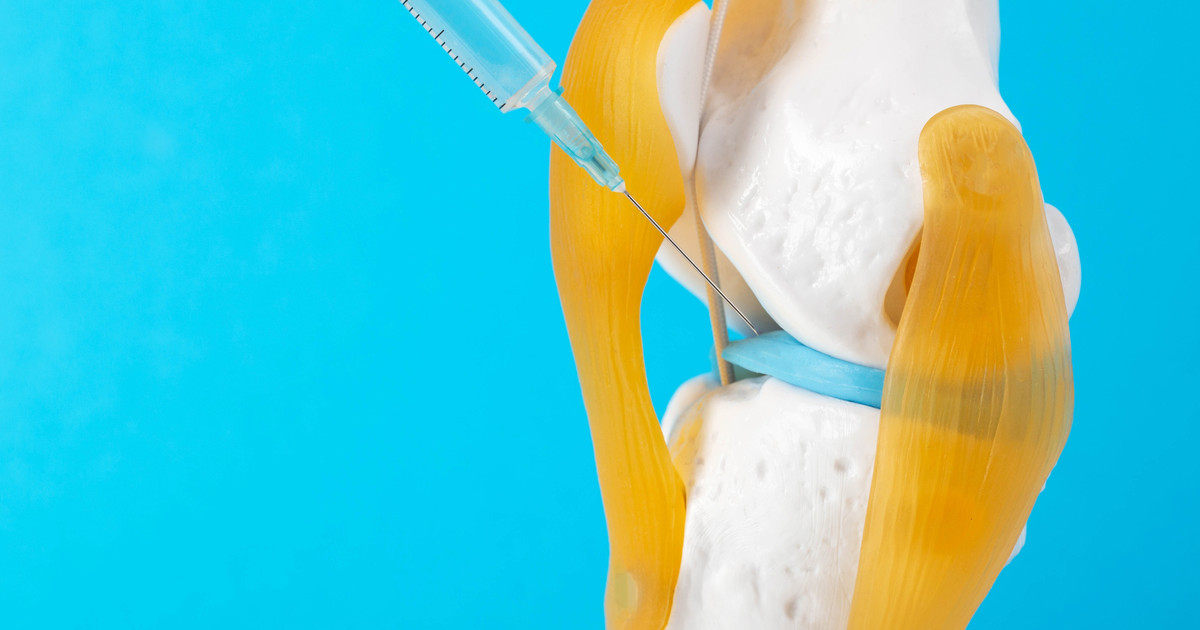
Joint and Epidural Steroid Injections
Joint injections and epidural steroid injections are among the most commonly performed procedures for persistent musculoskeletal pain. While they can provide meaningful relief for some people, they are not appropriate for every condition and rarely provide a permanent solution. Understanding what these procedures are designed to achieve can help you make informed decisions and develop realistic expectations.

Trigger Point Injections and Other Targeted Procedures
Not all pain procedures involve the spine or major joints. Some treatments are designed to target specific muscles, tendons or soft tissues that contribute to pain and reduced movement. While these procedures may provide temporary relief for carefully selected people, they are most effective when used to support active rehabilitation rather than as standalone treatments.

Getting the Most From a Pain Procedure
A successful pain procedure is not the end of treatment; it is often the beginning of the next stage of recovery. Whether a procedure reduces pain for a few weeks or several months, the greatest long-term benefits usually come from how you use that opportunity. Continuing rehabilitation, rebuilding strength, and gradually increasing participation can help turn temporary pain relief into lasting improvements in function and quality of life.

Functional Restoration — Focusing on What You Can Do
Functional restoration focuses on rebuilding what you can do rather than chasing complete pain relief. This article explains what it means, why it works best with a team around you, and why function, confidence and quality of life are the real markers of progress.

Building a Meaningful Life with Persistent Pain
Living well with persistent pain is not about waiting for pain to disappear before life can resume. This article brings together the key ideas from other similar articles, including understanding pain, active approaches, coordinated care and self-management, and explores what it actually means to build a meaningful life while pain is still part of the picture.
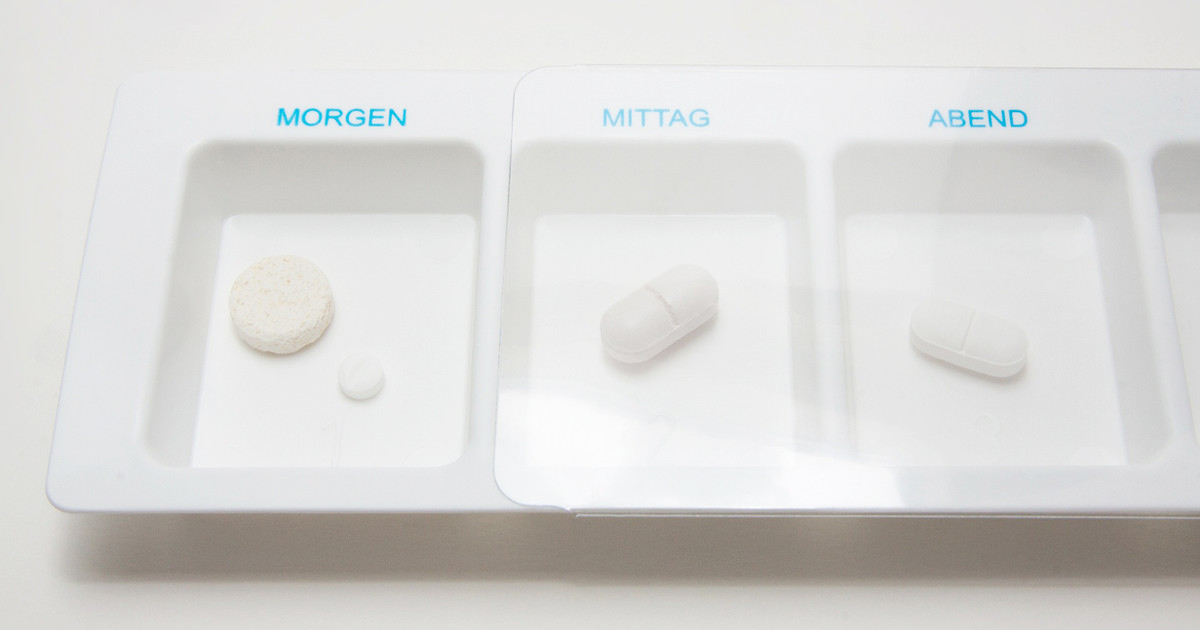

Medication Reviews and Your Healthcare Team
Your medication needs may change over time. Regular medication reviews help ensure your medicines keep providing benefit, keep side effects to a minimum, and support your goals. Working with your GP, pharmacist and others keeps your treatment safe, effective and focused on your quality of life.

Understanding Cognitive Behavioural Therapy (CBT)
Cognitive Behavioural Therapy (CBT) is one of the most widely researched psychological treatments for persistent pain. It does not aim to convince you your pain is psychological. Instead, it teaches practical skills for managing the unhelpful thoughts, emotions and behaviours that can increase pain's impact on everyday life.

Working with an Accredited Practising Dietitian or Nutritionist
Most people can improve their nutrition by following healthy eating principles, but some situations call for more personalised advice. Accredited Practising Dietitians (APDs) are university-qualified nutrition experts who provide evidence-based assessment and individualised plans for specific health conditions. Nutritionists can also provide valuable support, particularly for general healthy eating and lifestyle guidance, though training and qualifications vary.

Working With Your Rehabilitation Team
Recovering from persistent pain is rarely something you need to do alone. Physiotherapists and Accredited Exercise Physiologists are experts in helping people safely rebuild movement, strength, confidence and function. Working with your broader healthcare team, they can help you develop a personalised rehabilitation program that supports long-term recovery.
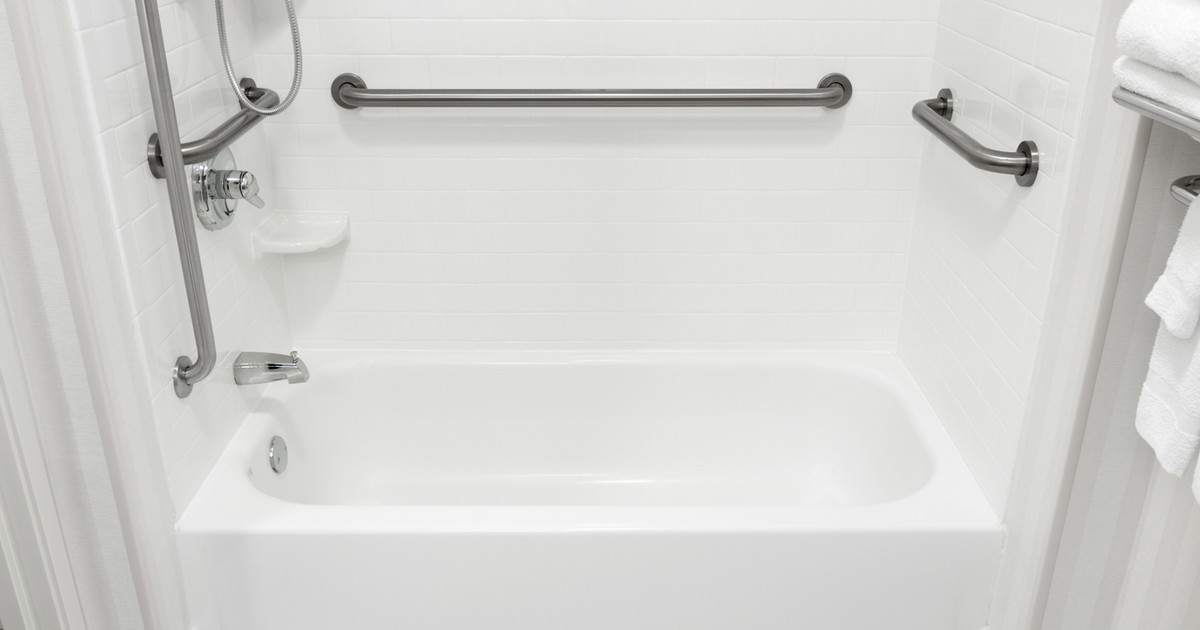
Assistive Equipment and Home Modifications
Many people hesitate when assistive equipment is suggested, worried it means they are becoming dependent. In reality, the right equipment often does the opposite. It removes unnecessary barriers, conserves energy, and helps you stay active, independent and engaged in the activities that matter most.

Tai Chi: Building Strength, Balance and Confidence
Tai Chi is often described as "meditation in motion." Combining slow, flowing movements with controlled breathing and focused attention, it has become one of the most well-researched complementary therapies for persistent pain. For many people, it offers a gentle and enjoyable way to improve movement, balance, confidence and overall wellbeing.

Understanding Acupuncture
Acupuncture is one of the most widely recognised complementary therapies for persistent pain, yet also one of the most misunderstood. While its traditional origins are thousands of years old, modern research has shown it can provide meaningful relief for some pain conditions. Understanding what the evidence says, and what it doesn't, can help you decide whether acupuncture has a place in your rehabilitation.

Finding a Qualified Practitioner in Australia
Finding the right therapy is only part of the decision. Equally important is finding the right practitioner. Qualifications, experience and communication style can significantly influence your treatment experience and outcomes. Knowing what to look for can help you choose a practitioner who provides safe, evidence-informed care that supports your long-term recovery.
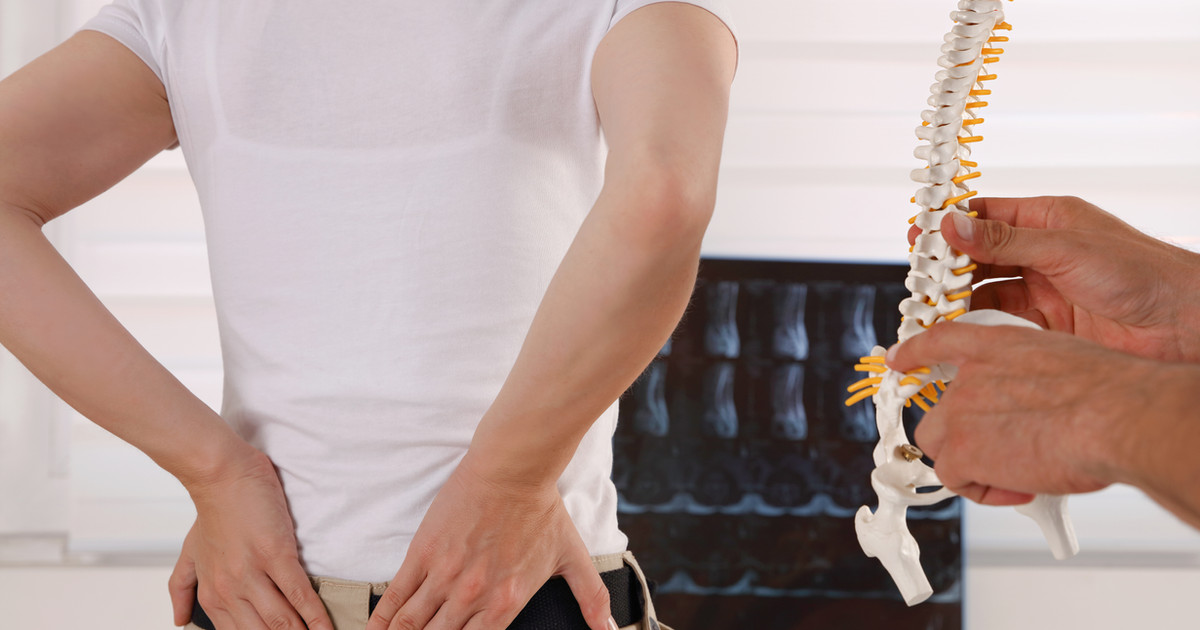
Nerve Blocks and Radiofrequency Ablation
Not all pain comes from muscles or joints. Sometimes the nerves carrying pain signals, or the small nerves supplying painful joints, become the focus of treatment. Nerve blocks and radiofrequency ablation are procedures designed to identify or reduce pain from specific structures. Understanding what these procedures are, and what they are not, can help you decide whether they may be appropriate for your situation.

Making Informed Decisions About Procedures
Choosing whether to have a pain procedure is rarely a simple yes-or-no decision. Every treatment has potential benefits, limitations and risks, and the right choice depends on your goals, your circumstances and the evidence for your condition. Understanding how to ask the right questions and take part in shared decision-making helps ensure any procedure supports your long-term recovery rather than becoming a treatment you simply hope will solve everything.