
Manage Pain Knowledge Base
Explore topics that interest you

Acute Pain, Persistent Pain and Flare-ups – What is the Difference?
Not all pain is the same. Acute pain, persistent pain and flare-ups each behave differently and mean different things. This article explains the differences in plain language, why pain changes over time, and what those changes might mean for you.

Functional Restoration — Focusing on What You Can Do
Functional restoration focuses on rebuilding what you can do rather than chasing complete pain relief. This article explains what it means, why it works best with a team around you, and why function, confidence and quality of life are the real markers of progress.

Building a Meaningful Life with Persistent Pain
Living well with persistent pain is not about waiting for pain to disappear before life can resume. This article brings together the key ideas from other similar articles, including understanding pain, active approaches, coordinated care and self-management, and explores what it actually means to build a meaningful life while pain is still part of the picture.


The Power of Connection and Creativity
Persistent pain affects much more than the body. It can influence relationships, confidence, identity and emotional wellbeing. Staying connected and engaging in creative or meaningful activities can support resilience, improve mood, and help you build a life that is not defined by pain.

Building Healthy Thoughts and Behaviours
The way we think about pain and respond to it can influence how much it affects our lives. Developing healthier thinking patterns and behaviours does not mean ignoring pain; it means learning practical skills that reduce distress, build confidence and support participation in meaningful activities.

Understanding Gate Control Theory
Why does rubbing a sore elbow help, and why can stress make pain worse? This article explains Gate Control Theory in plain language, what tends to "open" and "close" the gate, and why a multidisciplinary approach to persistent pain is often more effective than any single treatment.

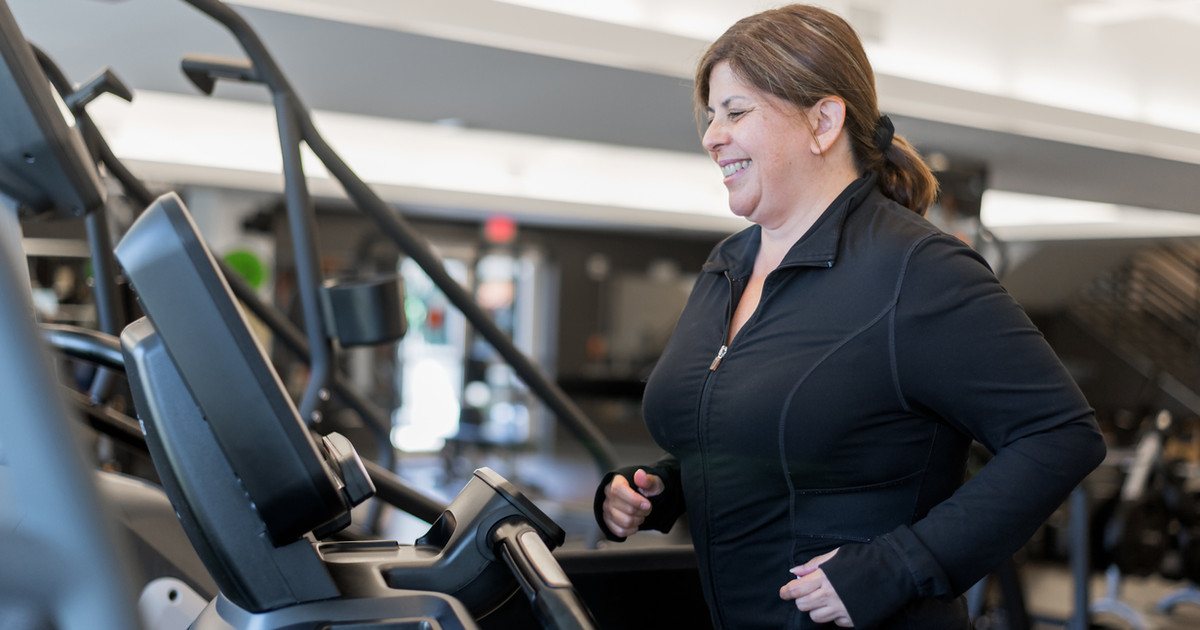
Why Movement Is the Answer
Worry about moving is common when pain persists. This article explains why gradual, well-planned movement is one of the most effective treatments for persistent pain, how it can rebuild strength and confidence, and how to find a pace that avoids both flare-ups and further deconditioning.
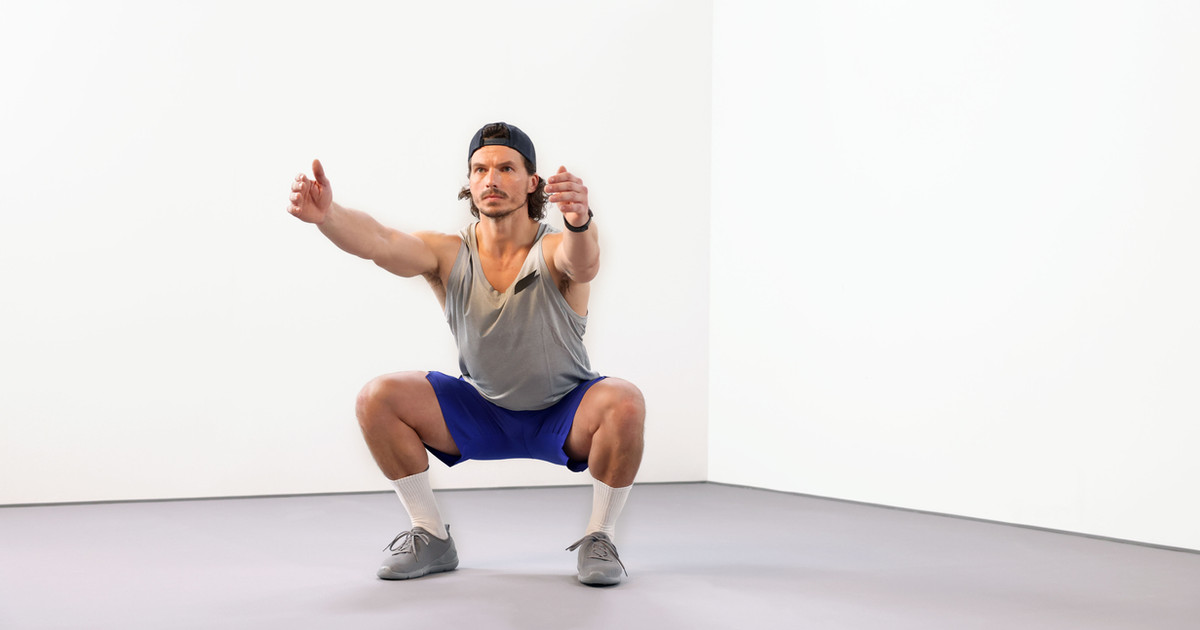
How Your Body Works as a Whole
Your body is designed to move as one connected system. Muscles, joints, bones and the nervous system all work together to produce efficient movement. Persistent pain can disrupt these connections, but rehabilitation helps restore the way your body works together, making movement feel easier, more confident and more efficient.
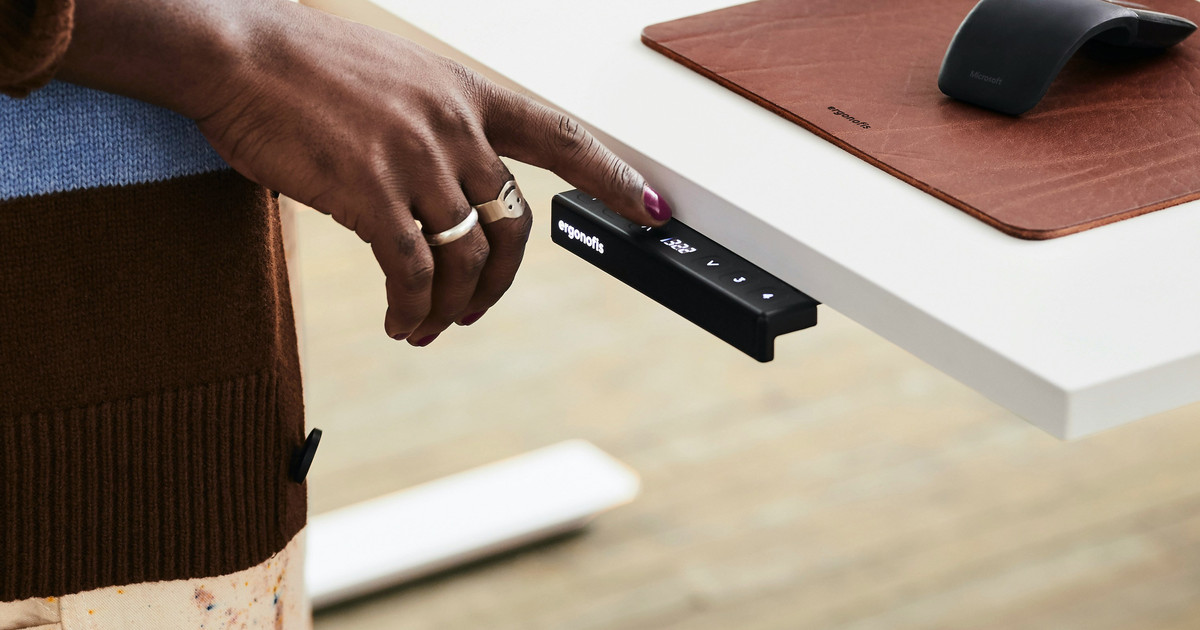
Working Smarter: Body Mechanics and Ergonomics
The way you sit, stand, lift and move through the day can have a real impact on how your body feels. Good body mechanics and ergonomics are not about finding the "perfect posture" — they are about reducing unnecessary strain, working more efficiently, and making everyday activities easier to manage.

Living the Life That Matters
Persistent pain management is not simply about reducing pain — it is about rebuilding a life that reflects what matters most to you. The strategies in this module are designed to help you take part more fully in your family, work, hobbies and community, so your life becomes defined by your values rather than your pain.

Returning to Work After Persistent Pain
For many people, returning to work is an important milestone in recovery. It represents more than earning an income — it can restore routine, confidence, social connection and a sense of purpose. Returning successfully, though, is rarely about waiting until you are completely pain free. It is about rebuilding your work capacity gradually, with the right support and realistic expectations.
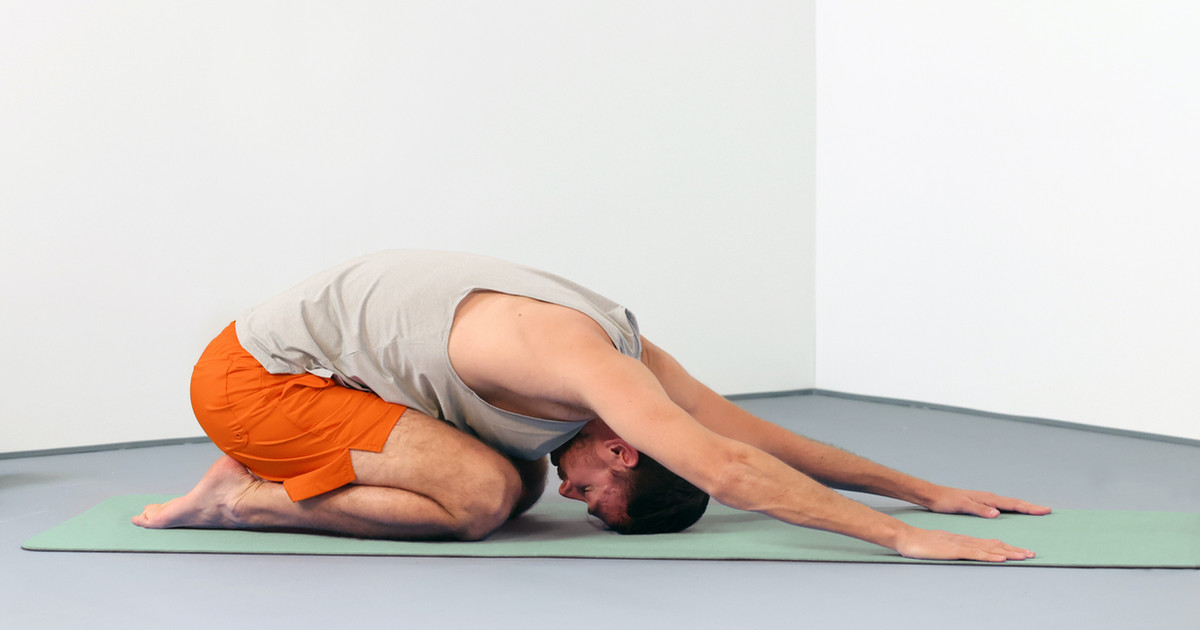
Stretching for Comfort and Confidence
Many people living with persistent pain notice their body feels stiff, tight or hard to move, particularly after sitting for long periods or first thing in the morning. Gentle stretching can help restore comfortable movement, reduce muscle tension and improve confidence, making everyday activities easier and preparing your body for other forms of exercise.
Creating an Exercise Plan That Lasts
Starting an exercise program is an important first step, but lasting recovery comes from making movement a regular part of your life. A successful exercise plan isn't the most demanding one — it's the one you can continue next week, next month and next year. Building a sustainable routine lets your body keep adapting and your confidence keep growing.

Tai Chi: Building Strength, Balance and Confidence
Tai Chi is often described as "meditation in motion." Combining slow, flowing movements with controlled breathing and focused attention, it has become one of the most well-researched complementary therapies for persistent pain. For many people, it offers a gentle and enjoyable way to improve movement, balance, confidence and overall wellbeing.

Finding Meaning Through Recreation and Connection
When pain becomes a daily companion, recreation is often one of the first things to disappear. Hobbies are abandoned, social invitations declined, and enjoyable activities gradually become memories rather than experiences. Yet recreation and connection are not luxuries to return to once pain improves; they are an important part of improving wellbeing and rebuilding a meaningful life.

Your Rights and Supports in Australia
Living with persistent pain can make work, study and daily life more challenging, but you don't have to navigate those challenges alone. Australia has a range of workplace protections, rehabilitation services and government programs designed to help people with long-term health conditions remain engaged in work and community life. Understanding what's available helps you make informed decisions and advocate for yourself with confidence.

Why Pain Can Continue After Healing
One of the most confusing things about persistent pain is that it can continue long after an injury has healed. Scans look normal, tests come back clear, yet the pain remains. This article explains why that happens, what it means for your nervous system, and why ongoing pain does not always mean ongoing damage.

Working with Your Healthcare Team
Persistent pain often involves more than one kind of health professional. This article explains the roles of your GP, allied health team, pain specialists and health coaches, and why coordinated care, rather than fragmented separate appointments, tends to lead to better outcomes.



Creating Your Personal Sleep and Wellbeing Plan
Improving sleep rarely comes from one big change. It usually happens through small, consistent actions that become part of everyday life. This article helps you identify the strategies most relevant to you and build a practical plan for better sleep and wellbeing.
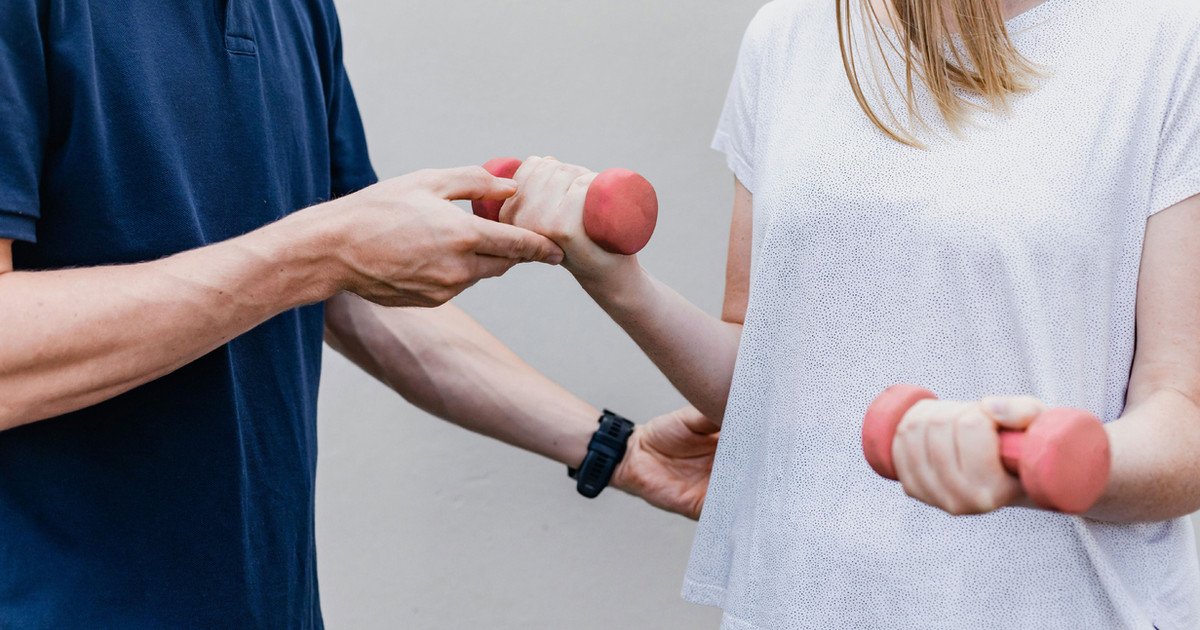
Understanding Operant Behavioural Therapy (OBT)
Operant Behavioural Therapy (OBT) is an evidence-based approach that focuses on changing behaviours rather than simply reducing pain. By encouraging gradual activity, reinforcing healthy behaviours, and reducing fear and avoidance, OBT helps people build confidence, improve function and regain participation in everyday life.
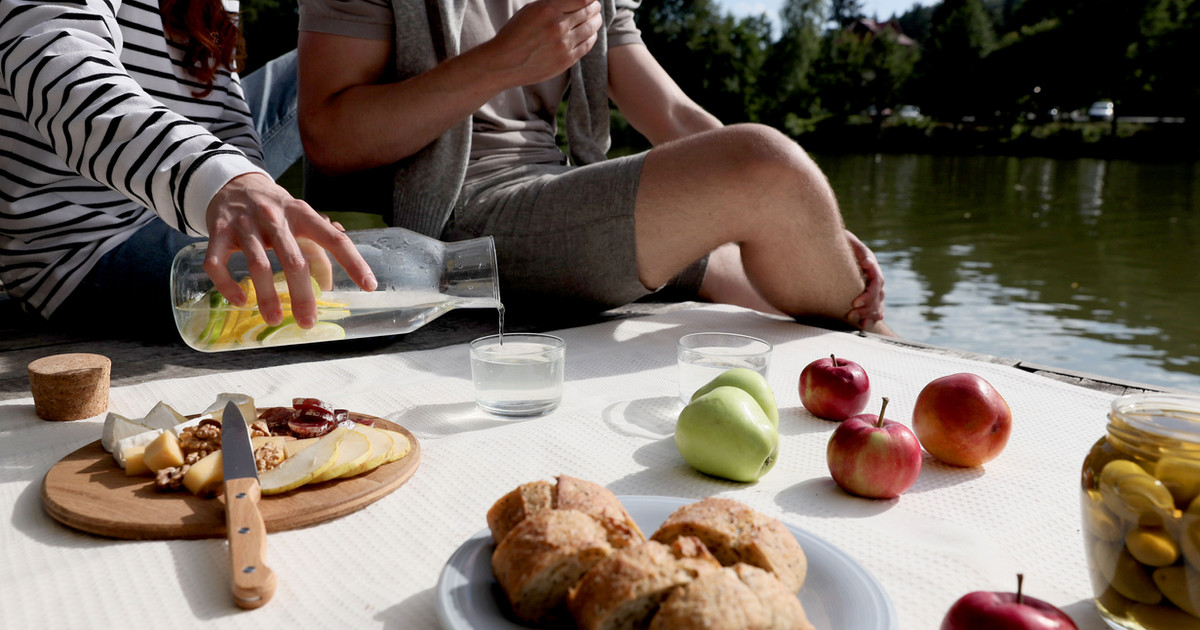
Healthy Weight, Energy and Hydration
Maintaining a healthy body weight, staying well hydrated, and eating enough nourishing food can improve energy, support movement, and reduce the impact of persistent pain on everyday life. The goal is not a perfect weight; it is supporting your body to function at its best.

Walking Well Again
Walking is one of the most important movements we perform every day, yet it is often one of the first activities affected by persistent pain. This article explains why walking changes, how those changes can contribute to ongoing pain, and how gradual reconditioning can help restore confidence, mobility and independence.

Working With Your Rehabilitation Team
Recovering from persistent pain is rarely something you need to do alone. Physiotherapists and Accredited Exercise Physiologists are experts in helping people safely rebuild movement, strength, confidence and function. Working with your broader healthcare team, they can help you develop a personalised rehabilitation program that supports long-term recovery.
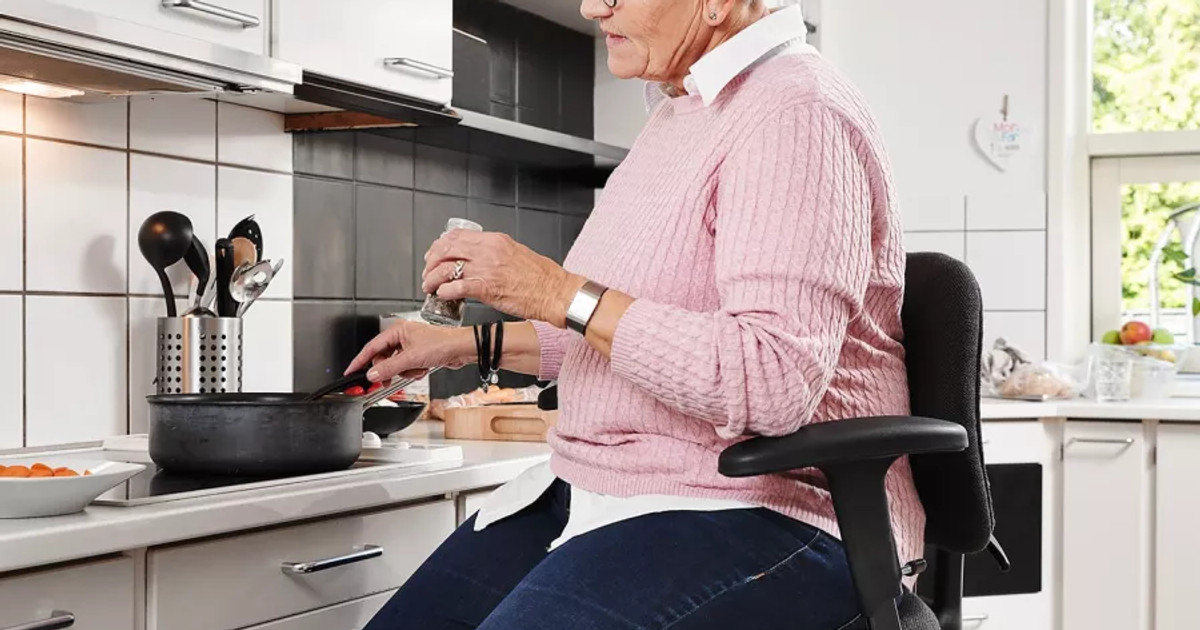
Making Everyday Activities Easier
Persistent pain often affects the ordinary tasks of everyday life long before it prevents major activities. Occupational therapists help people find practical ways to make these tasks easier by adapting how they are done, changing the environment, and introducing simple strategies that support independence and confidence.

Workplace Ergonomics and Workstation Setup
Whether you work from home, in an office, or are preparing to return to work after persistent pain, your environment can make a real difference to your comfort and productivity. A well-designed workspace is not about perfect posture — it is about creating an environment that supports movement, reduces unnecessary strain, and helps you work comfortably through the day.

Why Exercise Is One of the Best Pain Medicines
Many people living with persistent pain worry that exercise will make it worse. Yet decades of research consistently show that appropriately prescribed exercise is one of the most effective long-term treatments for persistent pain. Understanding why exercise works, and how to begin safely, can completely change the way you think about movement and recovery.
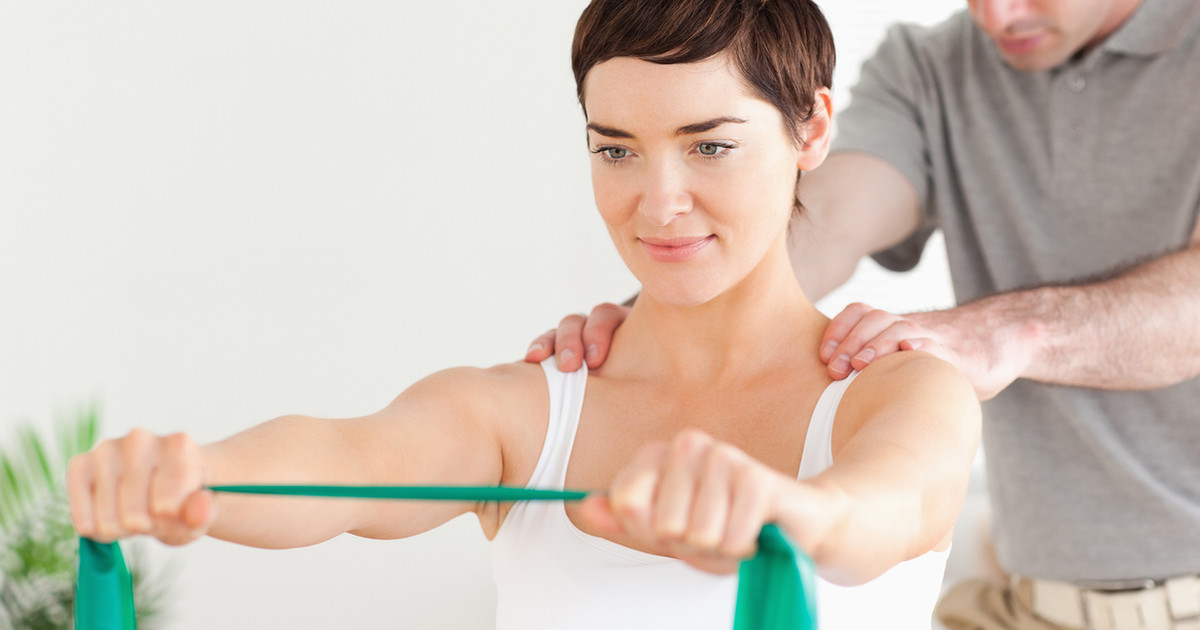
Building Strength That Supports Everyday Life
When people hear the words strength training, they often picture heavy weights, gyms and intense workouts. In reality, strength is much simpler than that. Every time you stand from a chair, climb stairs, carry shopping or lift a grandchild, you rely on your muscles. Building strength isn't about becoming stronger than everyone else — it's about making everyday life easier.
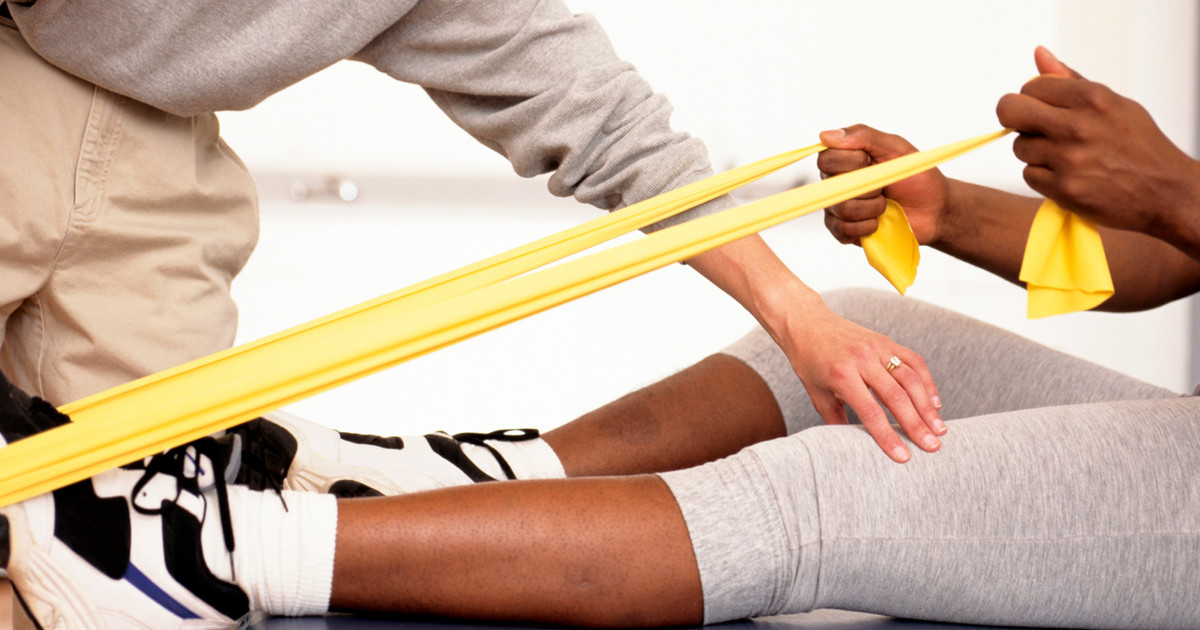
Resistance Bands and Home Exercise Programs
Building strength doesn't require expensive equipment or a gym membership. Many of the most effective rehabilitation exercises can be performed safely at home using your own body weight or simple resistance bands. The key to success isn't having the latest equipment — it's creating a routine that is practical, progressive and easy to maintain.

Pilates: Building Control, Strength and Confidence
Pilates is often associated with strong core muscles and improved posture, but its benefits extend much further. By emphasising slow, controlled movement, body awareness and progressive strengthening, Pilates can help people living with persistent pain rebuild confidence in movement while improving strength, flexibility and everyday function.

Returning to Work with Persistent Pain
For many people, work is about much more than earning an income. It provides routine, purpose, social connection and a sense of contribution. Persistent pain can make returning to work feel uncertain, but with realistic expectations, appropriate support and a gradual approach, many people successfully return to meaningful employment while continuing to manage their pain.

Preparing for Conversations with Your Employer
Talking to your employer about persistent pain can feel daunting. Many people worry about being judged, treated differently, or becoming a burden. Preparing for the conversation helps you focus on practical solutions, explain what support would help, and work collaboratively towards a safe, sustainable plan.
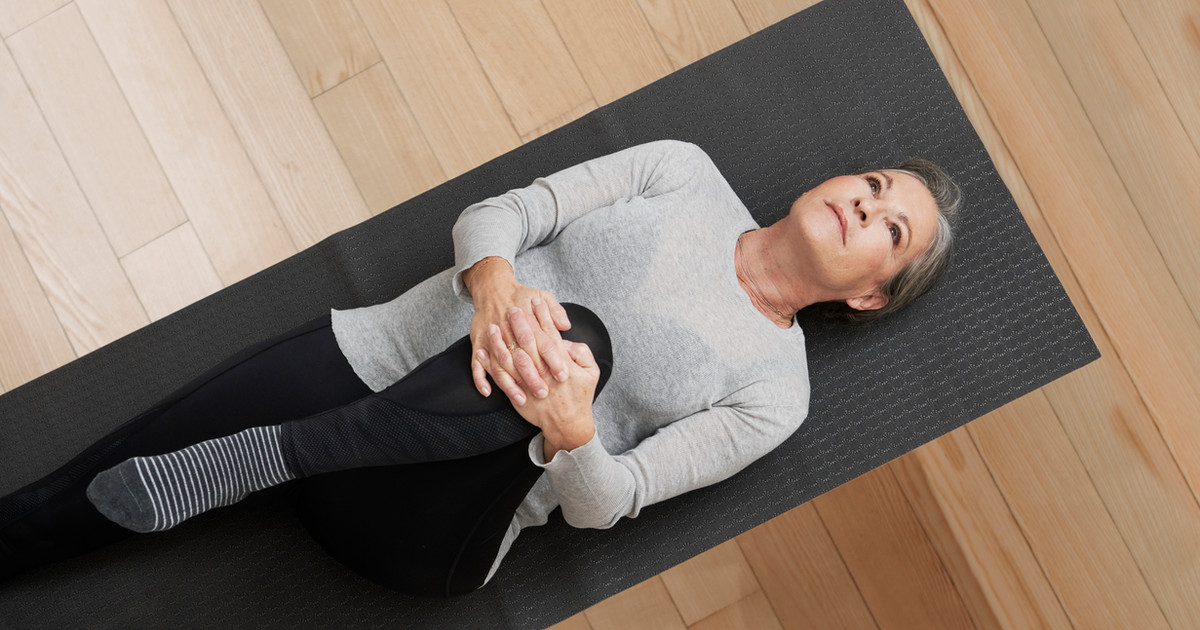
Active, Passive and Self-Management Approaches to Pain
Not all pain treatments work the same way. Some are things done to you, some need your active participation, and some you can do on your own. This article explains the difference between passive, active and self-management approaches, and why active participation tends to matter most for lasting progress.

Taking Back Control Through Self-Management
Taking back control of persistent pain does not mean managing everything alone or finding one perfect fix. This article explains what self-management really involves, from self-care and coping skills to goal setting, pacing and tracking progress, and why these everyday practices make a genuine difference over time.

Building Better Sleep Habits
Good sleep rarely happens by chance. The habits and routines you follow through the evening influence how easily you fall asleep, how well you stay asleep, and how refreshed you feel. This article explores practical sleep hygiene strategies for living with persistent pain.

Rediscovering Enjoyable Activities
Persistent pain often causes people to stop doing the activities they enjoy. Rediscovering meaningful, enjoyable activities, at a pace that suits you, can improve wellbeing, confidence, sleep and quality of life. Recreation is not just a reward after recovery; it can be part of recovery itself.

Grief, Loss and Emotional Adjustment
Living with persistent pain often involves much more than managing physical symptoms. Many people experience grief for the life they once had, and changes in identity, relationships and independence. Understanding that these feelings are a normal part of adjustment can help you develop healthier ways of coping and moving forward.

Building Psychological Resilience and Self-Efficacy
Living well with persistent pain is not about eliminating every symptom. It is about developing the confidence, knowledge and skills to manage challenges, keep taking part in meaningful activities, and maintain hope. Building resilience and self-efficacy helps you take an active role in your recovery.

Understanding Acceptance and Commitment Therapy (ACT)
Acceptance and Commitment Therapy (ACT) is an evidence-based psychological approach that helps people live meaningful lives despite persistent pain. Rather than trying to eliminate every painful thought or sensation, ACT teaches skills to respond more flexibly, focus on what matters most, and take positive action even when pain is present.

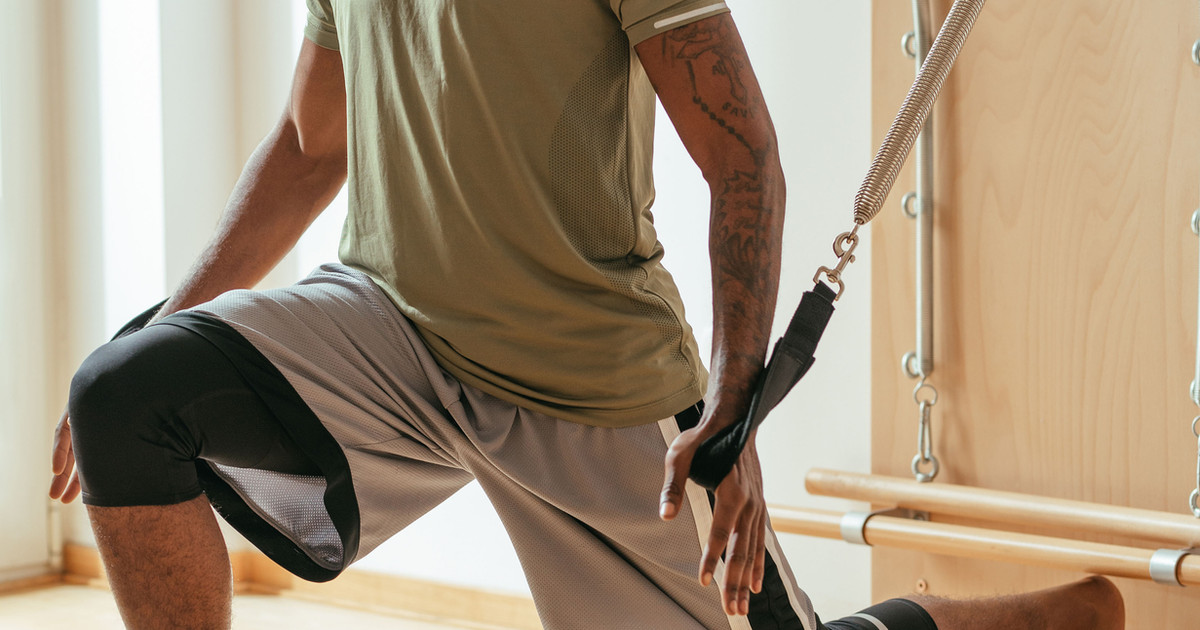
Building a Strong Foundation
Moving well is about more than strength alone. Good movement relies on stability, balance, coordination and body awareness working together. Building these foundations helps you move more efficiently, reduces unnecessary strain, and gives you greater confidence to take part in everyday activities.
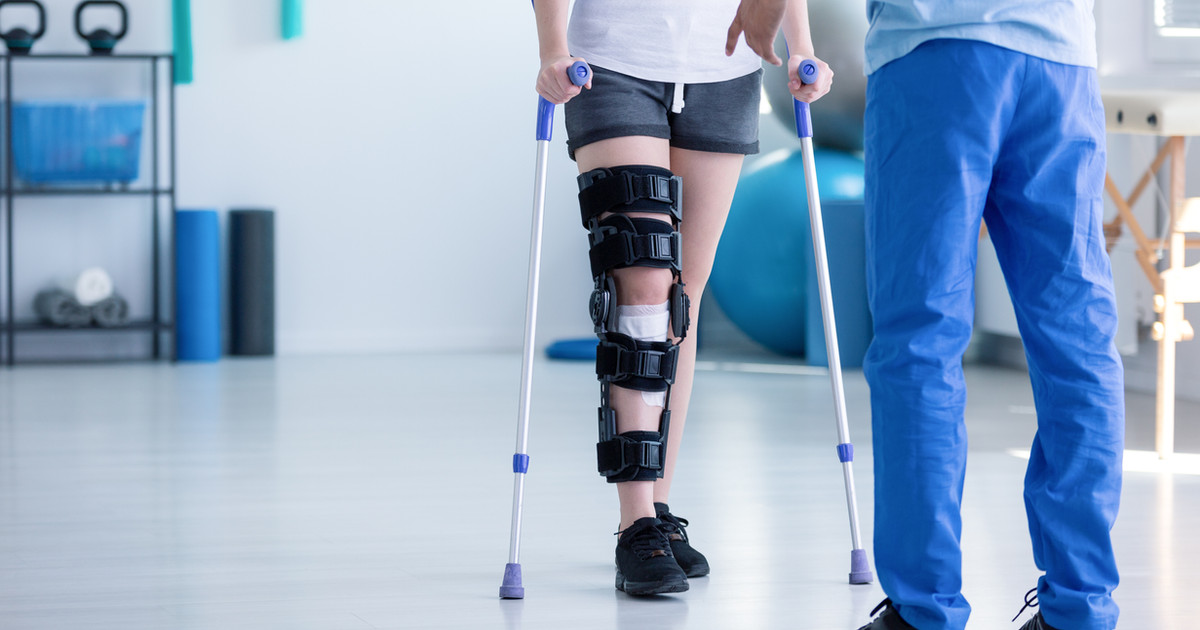
Understanding Occupational Therapy
Occupational therapy (OT) helps people living with persistent pain take part more fully in everyday life. Rather than focusing only on pain or physical capacity, occupational therapists work with you to understand what matters most and develop practical solutions that make those activities easier, safer and more achievable.
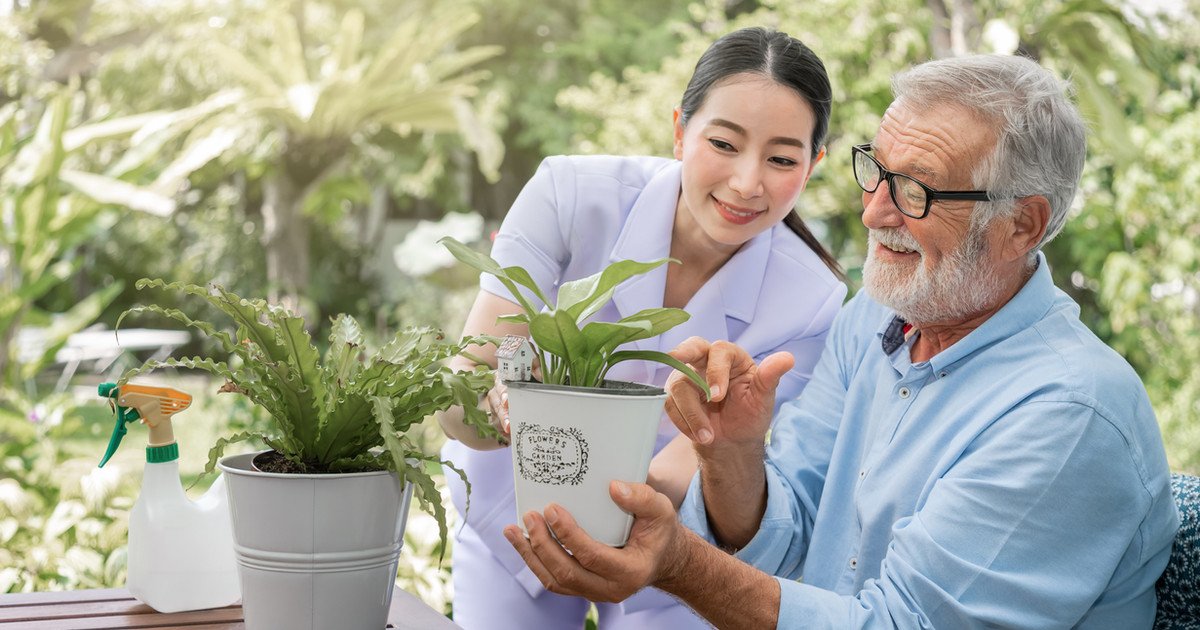
Rebuilding Confidence Through Graded Exposure
One of the biggest challenges of living with persistent pain is returning to activities that have become frightening or feel impossible. Graded exposure is a structured approach that helps you rebuild confidence through small, achievable steps toward the activities that matter most, allowing your body and nervous system to learn that movement can be safe again.
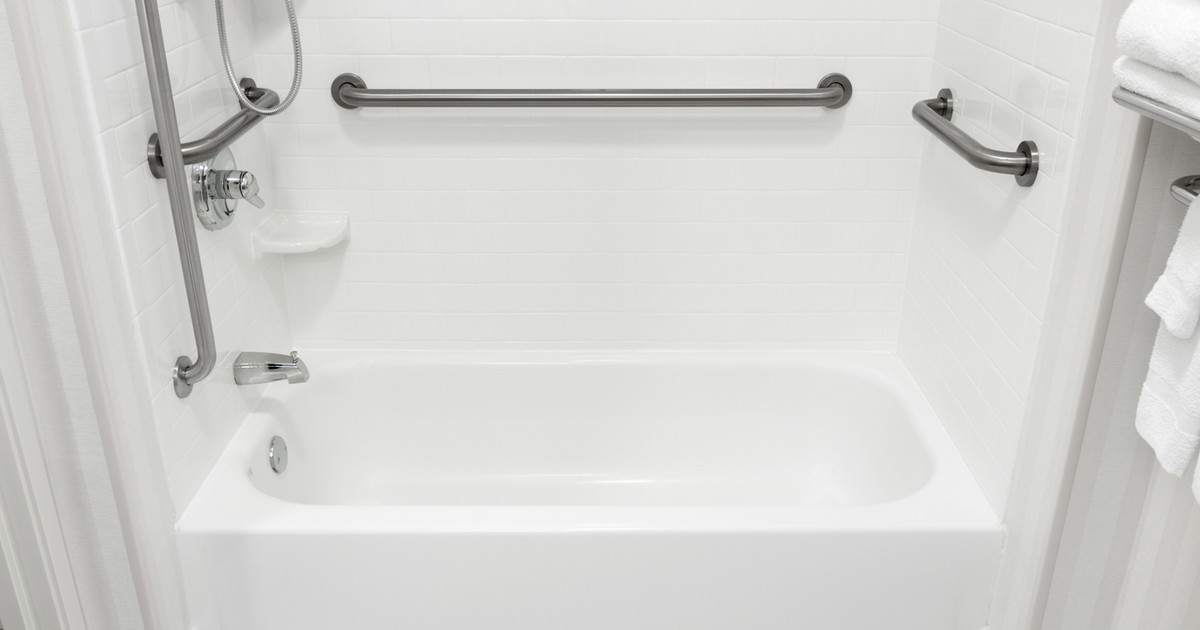
Assistive Equipment and Home Modifications
Many people hesitate when assistive equipment is suggested, worried it means they are becoming dependent. In reality, the right equipment often does the opposite. It removes unnecessary barriers, conserves energy, and helps you stay active, independent and engaged in the activities that matter most.

Finding the Right Exercise for You
There is no single "best" exercise for persistent pain. The most effective exercise is one that matches your current abilities, supports your goals, and is something you can keep doing over time. Understanding the different types of exercise can help you build a balanced program that improves strength, fitness, confidence and everyday function.
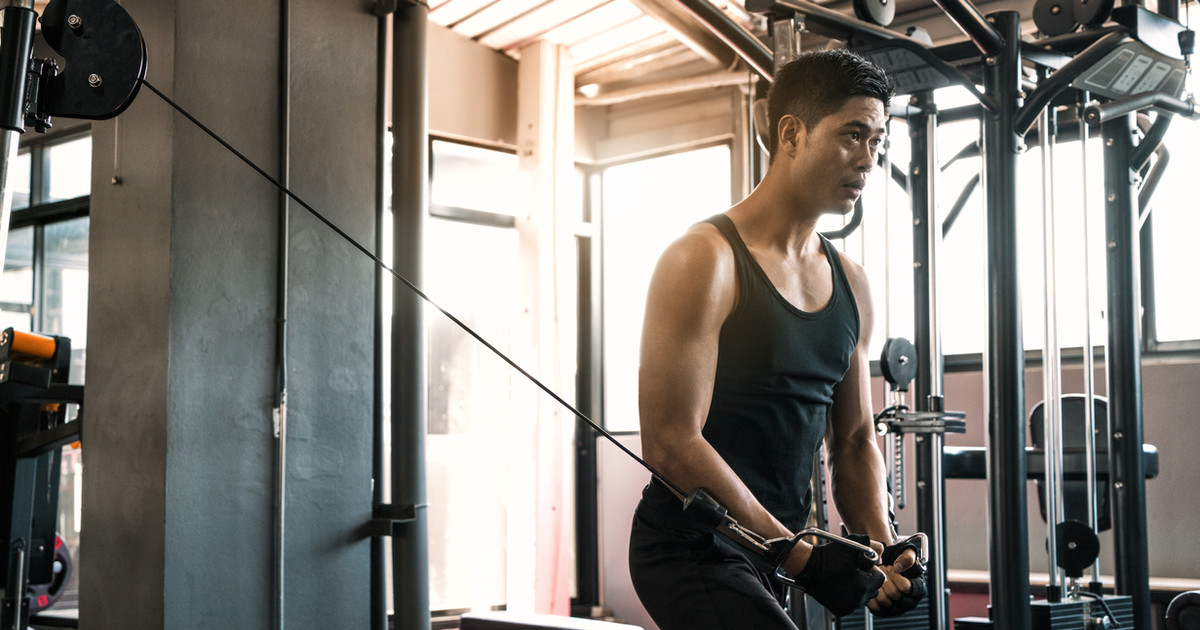
Building Capacity Through Graded Progression
Recovery from persistent pain is rarely about dramatic leaps forward. More often, it is built through small, planned increases in activity that let your body and nervous system adapt over time. Graded progression helps you steadily build physical capacity while reducing the risk of setbacks that occur when you do too much, too soon.

Measuring Progress Beyond Pain
One of the greatest challenges of living with persistent pain is that pain often becomes the only measure of progress. Yet recovery is about much more than pain intensity. Improvements in strength, confidence, function, participation and quality of life often occur long before pain changes significantly. Learning to recognise these improvements can help you stay motivated and appreciate how far you've come.

Rebuilding a Meaningful Life After Persistent Pain
Persistent pain changes more than the body. It can affect relationships, work, recreation, confidence and even the way you see yourself. Recovery isn't simply about reducing pain; it's about rebuilding a life that feels meaningful, purposeful and worth living. Although that life may look different from before, it can still be rich, rewarding and deeply fulfilling.

When It's Time to Rethink Your Career
For some people, returning to their previous job simply isn't possible. That can be one of the hardest realities to accept. Yet changing careers doesn't mean giving up on meaningful work. It can become an opportunity to build a working life that better supports your health, your strengths and your future.

Creating Your Personal Life Rebuild Plan
Persistent pain can leave life feeling uncertain, but recovery is about more than managing symptoms. It is about intentionally creating a future that reflects what matters most to you. A personal life rebuild plan brings together everything you have learned throughout this program and turns it into practical actions that support participation, purpose and long-term wellbeing.